
Catalogue Search | MBRL


Are you sure you want to remove the book from the shelf?

{{itemTitle}}
18
result(s) for
"Buñuel, Luis, 1900-1983."
Sort by:

مذكرات بونويل
في هذا الكتاب الملهم للسيد \"لويس بونويل\" يشرح لنا كيف أبدع، كيف كانت حياته -في الطفولة والشباب- مليئة بالعجائب التي انعكست على أعماله الفنية، كيف كانت السياسة والحرب في العالم وفي موطنه، ماهية الإنسان كما يراها والحركات الثورية والفنية في أوروبا وأمريكا وعن نجوم عصره من فنانين وشعراء ورسامين، مثل سلفادور دالي ولوركا وشتاينبك وهالسكي وغيرهم من نجوم التاريخ في الفن والأدب.
Book

Luis Buñuel : the red years, 1929-1939
The turbulent years of the 1930s were of profound importance in the life of Spanish film director Luis Buñuel (1900–1983). He joined the Surrealist movement in 1929 but by 1932 had renounced it and embraced Communism. During the Spanish Civil War (1936–39), he played an integral role in disseminating film propaganda in Paris for the Spanish Republican cause.
Luis Buñuel: The Red Years, 1929–1939 investigates Buñuel's commitment to making the politicized documentary Land without Bread (1933) and his key role as an executive producer at Filmófono in Madrid, where he was responsible in 1935–36 for making four commercial features that prefigure his work in Mexico after 1946. As for the republics of France and Spain between which Buñuel shuttled during the 1930s, these became equally embattled as left and right totalitarianisms fought to wrest political power away from a debilitated capitalism.
Where it exists, the literature on this crucial decade of the film director's life is scant and relies on Buñuel's own self-interested accounts of that complex period. Román Gubern and Paul Hammond have undertaken extensive archival research in Europe and the United States and evaluated Buñuel's accounts and those of historians and film writers to achieve a portrait of Buñuel's \"Red Years\" that abounds in new information.
eBook
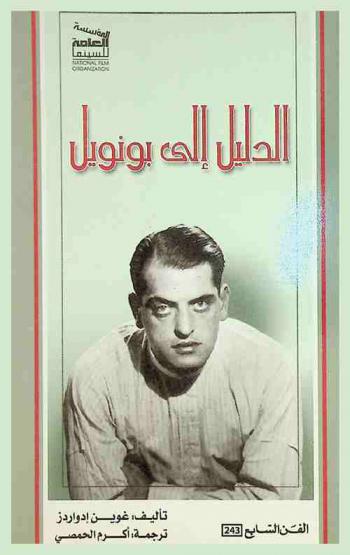
الدليل إلى بونويل
يضيء كتاب \"الدليل إلى بونويل\" الصادر لدى المؤسسة العامة السورية للسينما على مراحل من حياة أحد مخرجي القرن العشرين الذي يعتبر النصف الأول منه أكثر فترات الأزمنة الحديثة إثارة للاهتمام من وجهات النظر التاريخية والثقافية والفنية. والكتاب من تأليف (غوين إدواردز) أستاذة اللغة الأسبانية في جامعة ويلز أبيريستويث، وترجمة (أكرم الحمصي) يتناول مسيرة بونويل كمخرج عظيم ذي مسيرة طويلة في هذا الفن بدأها بفيلم كلب أندلسي عام 1929 م، واختتمها بفيلم غرض الرغبة الغامض هذا عام 1977 م. قسمت الكاتبة مراحل حياة بونويل المهنية ثلاثة أقسام، مع التشديد على أن هذه الأقسام لم تكن متشابهة، إذ تتميز أعمال المخرج بأن اهتماماته الشخصية والاجتماعية والدينية تعاود الظهور من عمل إلى آخر. وتشير إلى أن الحقبة الأولى هي بين 1929 و1934 م، وأنجز فيها ثلاثة أفلام لا يمكن للمرء أن يخطئ طابعها السوريالي كلب أندلسي والعصر الذهبي وولاس هورديس أما الحقبة الثانية فتمتد بين عامي 1946 و1960 م، وهي الفترة التي أمضى معظمها في المكسيك وحقق خلالها أفلاما يغلب عليها طابع تجاري وبموازنات منخفضة وزمن إنجاز قصير. الحقبة الثالثة التي وزع وقته فيها بين المكسيك وفرنسا وإسبانيا شهدت إنجاز الأفلام التي عرف بها والتي نعمت بإيرادات مالية وحرية فنية أكبر من تلك التي توافرت له في المكسيك حسناء النهار وسحر البورجوازية الخفي وغرض الرغبة الغامض هذا تصف الكاتبة أعمال بونويل الأولى بأنها كانت الأكثر انتقادا إذ كانت في عمر الشباب وصدى للقلق الذي يكمن في قلب الحركة السوريالية، وعبر تحليلها لأفلامه ترى أنها تندرج في سياق هواجسه الشخصية، ويعبر فيها خلافا للعديد من أقرانه من السينمائيين عن قدر مدهش من الكبت الجنسي الذي يعانيه السورياليون. وإذ تقارن أسلوبه وأفلامه بأفلام اليوم تقول : إنها بسيطة ومباشرة نسبيا ففي كثير من الأحيان كان بونويل مقيدا بموازنات محددة ومهل تصوير محدودة، كما من الحقبة الثانية أو فترة الأفلام المكسيكية.
BOOK

A companion to Luis Buñuel
A Companion to Luis Buñuel presents a collection of critical readings by many of the foremost film scholars that examines and reassesses myriad facets of world-renowned filmmaker Luis Buñuel's life, works, and cinematic themes.
eBook
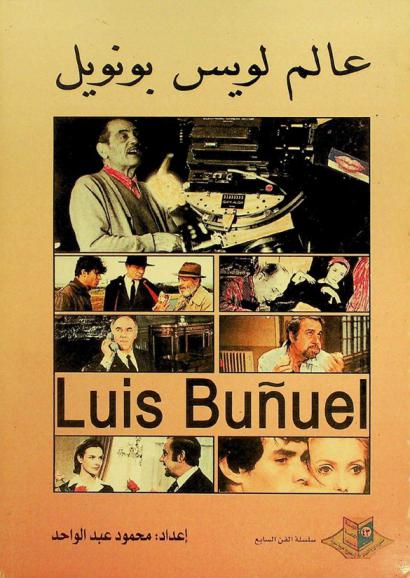
عالم لويس بونويل = Luis Bunuel
لويس بونويل يرسم عالما خاصا به في حياته وأفلامه، يبدأ من السريالية، ولا تنتهي أحلامه وأفكاره وابتكاراته، في رؤية الحياة والتاريخ والجغرافيا والحب والجمال، فهو يدمر عوالم كثيرة مألوفة، في الفن، ليبني عالمه الخاص الذي لا يشبه غيره. والكتاب الذي بين يدينا يحتوي على الموضوعات التالية : لويس بونويل : المخرب، بونويل : تفجير النظام الاجتماعي غايتي!، بونويل السيريالي الباحث عن ال لويس بونويل يرسم عالما خاصا به في حياته وأفلامه، يبدأ من السريالية، ولا تنتهي أحلامه وأفكاره وابتكاراته، في رؤية الحياة والتاريخ والجغرافيا والحب والجمال، فهو يدمر عوالم كثيرة مألوفة، في الفن، ليبني عالمه الخاص الذي لا يشبه غيره. والكتاب الذي بين يدينا يحتوي على الموضوعات التالية : لويس بونويل : المخرب، بونويل : تفجير النظام الاجتماعي غايتي !، بونويل السيريالي الباحث عن الفضيحة!، أنا معجب بونويل ولكني لست تلميذا له، الكهنوت والبرجوازية، أخلاقي ضد الأخلاق، السفر في الطرق الوعرة، أنا والسريالية، العصر الذهبي، ضحك بونويل يأس بونويل، سمعان العمودي، فيلموجرافيا لويس بونويل.
Book


Buñuel and Mexico
Though Luis Buñuel, one of the most important filmmakers of the twentieth century, spent his most productive years as a director in Mexico, film histories and criticism invariably pay little attention to his work during this period. The only book-length English-language study of Buñuel's Mexican films, this book is the first to explore a significant but neglected area of this filmmaker's distinguished career and thus to fill a gap in our appreciation and understanding of both Buñuel's achievement and the history of Mexican film. Ernesto Acevedo-Muñoz considers Buñuel's Mexican films—made between 1947 and 1965—within the context of a national and nationalist film industry, comparing the filmmaker's employment of styles, genres, character types, themes, and techniques to those most characteristic of Mexican cinema. In this study Buñuel's films emerge as a link between the Classical Mexican cinema of the 1930s through the 1950s and the \"new\" Cinema of the 1960s, flourishing in a time of crisis for the national film industry and introducing some of the stylistic and conceptual changes that would revitalize Mexican cinema.
eBook
Las armas de Luis Buñuel
Desde sus mocedades, Luis Buñuel acusó una notable fascinación por las armas de fuego. De hecho, constituyen oscuros objetos de su deseo y una «extraña pasión» (subtítulo de su filme Él) que le instarían a ser un ávido coleccionista de armas. Sin duda, el cine y las armas de fuego son dos fenómenos culturales clave que corren simbiótica y artístico-industrialmente parejos a lo largo del siglo XX. Buñuel y su filmografía representan esta conexión, puesto que para el director aragonés el séptimo arte puede ser «un arma maravillosa y peligrosa si la maneja un espíritu libre». Las armas de Luis Buñuel dilucida la vitalicia afición a las armas del realizador, su relevancia en la formación de su personalidad y creatividad y cómo le ayudaron a hacerse un maestro pirotécnico del celuloide y una figura universal del cine.
eBook