
Catalogue Search | MBRL


Are you sure you want to remove the book from the shelf?

{{itemTitle}}
4,319
result(s) for
"Anand, R."
Sort by:
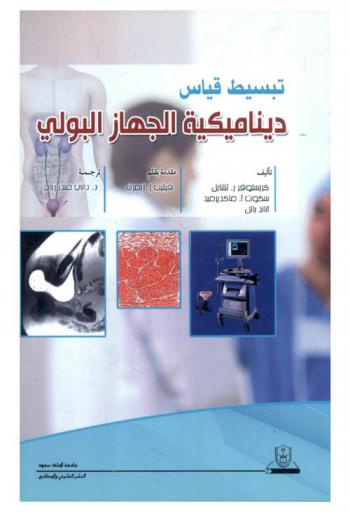
تبسيط قياس ديناميكية الجهاز البولي
يهدف هذا الكتاب إلى تغيير الفكرة السائدة بأن قياس حركية الجهاز البولي هو موضوع معقد ولا يقتصر موضوع قياس حركية الجهاز البولي على فئة معينة محدودة التطبيق ولا يتطلب معدات معقدة تتوافر فقط في \"الأبراج العاجية\" لأن المبادئ الأساسية لقياس حركية الجهاز البولي تعتبر بسيطة وفي معظم الحالات لا تستلزم بحثا معقدا وتغطي فصول الكتاب العشرة مجموعة واسعة من المواضيع تتضمن الأعراض البولية والتعاريف الحالية التي أقرتها الجمعية العالمية لسلس البول والوسائل التقنية لقياس حركية الجهاز البولي ونتائج التشخيص المتعلقة بسلس البول والأنسداد والاضطرابات الحسية والمثانة العصبية وأمراض المسالك البولية للأطفال وقد تم عرض كل فصل كوحدة تتضمن نصا موجزا وجداول عملية تم ترميزها بالألوان بالإضافة إلى ملحق وقسم للقيم المعيارية.
Book

Osprey optimization algorithm integrated with graph neural networks for intrusion detection in wireless sensor networks
With the complexity of the cyber-attacks increasing tremendously, framing an efficient intrusion detection system (IDS) has proved to be highly vital and crucial in ensuring security across the wireless sensor networks (WSNs). The major function of IDS is to prevent the WSNs from suspected attacks. Conventional IDS face numerous challenges which include limited capability, inadequate identification of attacks and detection of high false alarm rates, leading to complex data processing and pattern identification. To overcome these issues, a novel method which integrates Osprey Optimization Algorithm (OOA) and Graph Neural Networks (GNN) referred as OOA-GNN is proposed for enhancing the WSN security by efficiently detecting various categories of attacks. The proposed model integrates a deep learning framework built on graphical structures to obtain complex relationships and the hyperparameters of GNN is fine-tuned by OOA for improving the detection performance. In order to evaluate the proposed model, Wireless Sensor Networks-Dataset (WSN-DS) is chosen which is imbalanced in nature. To solve the imbalance characteristics, Synthetic Minority Oversampling Technique (SMOTE) is used on the training set. The OOA-GNN framework, through graphical representation of WSN data, successfully gathers the network patterns. The accuracy of 99.68% obtained through OOA-GNN outperforms traditional classifiers such as AdaBoost, Gradient Boosting Model (GBM), Xtreme Gradient Boosting (XGBoost), K-Nearest Neighbour-Arithmetic Optimization Algorithm (KNN-AOA), and K-Nearest Neighbour-Particle Swarm Optimization (KNN-PSO). Evaluating standard performance metrics demonstrate that the projected OOA-GNN model beats conventional approaches in terms of low false positive rate while adaption to network fluctuations. The proposed model enhances network reliability, improves the model’s exactness of attack detection and decreases false alarm occurrences by integrating parameter-tuning capabilities of the OOA with graph-based neural framework in real-time WSN operations.
Journal Article

DeLTA: Automated cell segmentation, tracking, and lineage reconstruction using deep learning
Microscopy image analysis is a major bottleneck in quantification of single-cell microscopy data, typically requiring human oversight and curation, which limit both accuracy and throughput. To address this, we developed a deep learning-based image analysis pipeline that performs segmentation, tracking, and lineage reconstruction. Our analysis focuses on time-lapse movies of Escherichia coli cells trapped in a \"mother machine\" microfluidic device, a scalable platform for long-term single-cell analysis that is widely used in the field. While deep learning has been applied to cell segmentation problems before, our approach is fundamentally innovative in that it also uses machine learning to perform cell tracking and lineage reconstruction. With this framework we are able to get high fidelity results (1% error rate), without human intervention. Further, the algorithm is fast, with complete analysis of a typical frame containing ~150 cells taking <700msec. The framework is not constrained to a particular experimental set up and has the potential to generalize to time-lapse images of other organisms or different experimental configurations. These advances open the door to a myriad of applications including real-time tracking of gene expression and high throughput analysis of strain libraries at single-cell resolution.
Journal Article

An enhanced ResNet-50 deep learning model for arrhythmia detection using electrocardiogram biomedical indicators
Electrocardiogram (ECG) is one among the most common detecting techniques in the analysis and detection of cardiac arrhythmia adopted due to its cost efficiency and simplicity. In a clinical routine, ECG database is collected on daily basis and these databases are reviewed manually. Along with other conventional methods, various approaches using machine learning has been proposed in the past few years. But these would require in-depth knowledge on several parameters and pre-processing techniques in the specific domain. This study is aimed at implementing a more reliable deep learning model that has the capacity to diagnose arrhythmia from a database with 109,446 samples in 5 different categories. In our proposed work, we have used deep learning methodologies for the diagnosis and detection of cardiac arrhythmia automatically. Balancing the biasedness in the waveforms from MIT-BIH arrhythmia database, model is developed. MIT-BIH arrhythmia database with the ECG waveforms promises good accuracy. This automated prediction of the disease using CNN and ResNet-18 architectures are compared in terms of accuracy. CNN has accuracy approximately 97.86% and 98.14% for improved ResNet-18. Also, a comparative analysis is done with the proposed model and already existing techniques. Several limitations and future opportunities are also reviewed. We believe it can be used considerably for cardiac arrhythmia prediction worldwide. Based on the results obtained, ResNet-18 architecture can be used as an efficient procedure, that reduces the burden of training a deep convolutional neural network from start, resulting in a technique that is simple to use.
Journal Article

Health-related quality of life in patients with chronic obstructive pulmonary disease: A hospital-based study
Background & objectives: Chronic obstructive pulmonary disease (COPD) adversely affects various functional and structural domains of the lungs, in addition to having an array of extra-pulmonary effects which affect overall well-being of a patient. This study was aimed at measuring the health-related quality of life (HRQOL) in COPD patients and relating the severity of disease and other factors with the degree of impairment of HRQOL.
Methods: This cross-sectional study was conducted on 100 individuals with established COPD aged 45 yr or above. COPD severity was graded based on the Global Initiative for Obstructive Lung Disease (GOLD) staging system. Pulmonary function test was carried out as per the American Thoracic Society and European Respiratory Society task force standardised lung function testing guidelines. The quality of life was measured using the COPD-specific version of the St. George's Respiratory Questionnaire (SGRQ). The three component scores (activity, impact and symptoms) and the total score were compared across the various categories of age, gender and COPD grades. Using multivariable linear regression analysis, the relationship between COPD grades and various component scores, adjusting for age and gender, was determined.
Results: The mean total SGRQ Classification score was found to be 48.5±17.1. There was a significant increase in the symptom, activity and impact component scores and the total scores of the participants with worsening of COPD grade. The activity, impact component scores and total score showed an increasing trend with age. However, the values of these three scores were lower in participants in the age group of 56-65 yr in comparison to those in the 45-55 yr age group. There was a significant increase in the symptom component score with increasing age across the study population. The difference in the various scores between males and females was not significant.
Interpretation & conclusions: HRQOL is impaired in patients with COPD, and it deteriorates with increasing severity of the disease. The onset of COPD at a younger age has a much more significant deterioration of HRQOL, due to the early onset of symptoms and complications. These findings call for better early care and integration of pulmonary rehabilitation programmes into current health policies.
Journal Article

Characterization of Staphylococcus aureus Cas9: a smaller Cas9 for all-in-one adeno-associated virus delivery and paired nickase applications
Background
CRISPR-Cas systems have been broadly embraced as effective tools for genome engineering applications, with most studies to date utilizing the
Streptococcus pyogenes
Cas9. Here we characterize and manipulate the smaller, 1053 amino acid nuclease
Staphylococcus aureus
Cas9.
Results
We find that the
S. aureus
Cas9 recognizes an NNGRRT protospacer adjacent motif (PAM) and cleaves target DNA at high efficiency with a variety of guide RNA (gRNA) spacer lengths. When directed against genomic targets with mutually permissive NGGRRT PAMs, the
S. pyogenes
Cas9 and
S. aureus
Cas9 yield indels at comparable rates. We additionally show D10A and N580A paired nickase activity with
S. aureus
Cas9, and we further package it with two gRNAs in a single functional adeno-associated virus (AAV) vector. Finally, we assess comparative
S. pyogenes
and
S. aureus
Cas9 specificity using GUIDE-seq.
Conclusion
Our results reveal an
S. aureus
Cas9 that is effective for a variety of genome engineering purposes, including paired nickase approaches and all-in-one delivery of Cas9 and multiple gRNA expression cassettes with AAV vectors.
Journal Article
Applications of blockchain technology in peer-to-peer energy markets and green hydrogen supply chains: a topical review
Countries all over the world are shifting from conventional and fossil fuel-based energy systems to more sustainable energy systems (renewable energy-based systems). To effectively integrate renewable sources of energy, multi-directional power flow and control are required, and to facilitate this multi-directional power flow, peer-to-peer (P2P) trading is employed. For a safe, secure, and reliable P2P trading system, a secure communication gateway and a cryptographically secure data storage mechanism are required. This paper explores the uses of blockchain (BC) in renewable energy (RE) integration into the grid. We shed light on four primary areas: P2P energy trading, the green hydrogen supply chain, demand response (DR) programmes, and the tracking of RE certificates (RECs). In addition, we investigate how BC can address the existing challenges in these domains and overcome these hurdles to realise a decentralised energy ecosystem. The main purpose of this paper is to provide an understanding of how BC technology can act as a catalyst for a multi-directional energy flow, ultimately revolutionising the way energy is generated, managed, and consumed.
Journal Article

Robust Classification Technique for Hyperspectral Images Based on 3D-Discrete Wavelet Transform
Hyperspectral image classification is an emerging and interesting research area that has attracted several researchers to contribute to this field. Hyperspectral images have multiple narrow bands for a single image that enable the development of algorithms to extract diverse features. Three-dimensional discrete wavelet transform (3D-DWT) has the advantage of extracting the spatial and spectral information simultaneously. Decomposing an image into a set of spatial–spectral components is an important characteristic of 3D-DWT. It has motivated us to perform the proposed research work. The novelty of this work is to bring out the features of 3D-DWT applicable to hyperspectral images classification using Haar, Fejér-Korovkin and Coiflet filters. Three-dimensional-DWT is implemented with the help of three stages of 1D-DWT. The first two stages of 3D-DWT are extracting spatial resolution, and the third stage is extracting the spectral content. In this work, the 3D-DWT features are extracted and fed to the following classifiers (i) random forest (ii) K-nearest neighbor (KNN) and (iii) support vector machine (SVM). Exploiting both spectral and spatial features help the classifiers to provide a better classification accuracy. A comparison of results was performed with the same classifiers without DWT features. The experiments were performed using Salinas Scene and Indian Pines hyperspectral datasets. From the experiments, it has been observed that the SVM with 3D-DWT features performs better in terms of the performance metrics such as overall accuracy, average accuracy and kappa coefficient. It has shown significant improvement compared to the state of art techniques. The overall accuracy of 3D-DWT+SVM is 88.3%, which is 14.5% larger than that of traditional SVM (77.1%) for the Indian Pines dataset. The classification map of 3D-DWT + SVM is more closely related to the ground truth map.
Journal Article
Optimizing coverage in wireless sensor networks using deep reinforcement learning with graph neural networks
In Wireless Sensor Networks (WSNs), achieving optimal coverage in dynamic environments remains a significant challenge. Traditional optimization techniques, such as genetic algorithms, particle swarm optimization, and ant colony optimization, have demonstrated adaptability in node placement but struggle with real-time self-learning capabilities, requiring frequent retraining to handle continuously changing conditions. To address these limitations, this research introduces a novel hybrid model that integrates Deep Reinforcement Learning (DRL) with Graph Neural Networks (GNN). The DRL component enables adaptive decision-making, allowing real-time sensor node adjustments based on network performance feedback. Simultaneously, the GNN model enhances spatial awareness by capturing relational dependencies among sensor nodes, optimizing coverage efficiency. This integration significantly improves network adaptability and operational efficiency. Extensive simulations demonstrate that the proposed DRL-GNN model achieves a coverage ratio of up to 96.4%, energy efficiency of 95.8%, and minimizes overlap to 5.2%, outperforming traditional methods. These results validate the effectiveness of the proposed approach in enhancing WSN coverage while maintaining energy efficiency and minimal redundancy.
Journal Article
An integrated binary metaheuristic approach in dynamic unit commitment and economic emission dispatch for hybrid energy systems
The current generation portfolio is obligated to incorporate zero-emissions energy sources, predominantly wind and solar, due to the depletion of fossil fuels and the alarming rate of global warming. In the current scenario, power engineers must devise a compromised solution that not only advocates for the adoption of renewable energy sources (RES) but also efficiently schedules all conventional power generation units to balance the increasing load demand while simultaneously minimizing fuel costs and harmful emissions that are currently addressed by Unit Commitment (UC) and Combined Economic Emission Dispatch (CEED) problem solutions. However, the integration of renewable energy resources (RES) further complicates the UC-CEED problem due to their intermittent nature. Recently, metaheuristic algorithms are acquiring momentum in resolving constrained UC-CEED problems due to their improved global solution ability, adaptability, and derivative-free construction. In this research, a computationally efficient binary hybrid version of crow search algorithm and improvised grey wolf optimization is proposed, namely Crow Search Improved Binary Grey Wolf Optimization Algorithm (CS-BIGWO) by inclusion of nonlinear control parameter, weight-based position updating, and mutation approach. Statistical results on standard mathematical functions prove the supremacy of the proposed algorithm over conventional algorithms. Further, a novel optimization strategy is devised by integrating enhanced lambda iteration with the CS-BIGWO algorithm (CS-BIGWO-
λ
) to solve a day-ahead UC-CEED problem of the hybrid energy system incorporating cost functions of RES. For the model, a day-ahead forecast of wind power and solar photovoltaic power is obtained by using the Levy-Flight Chaotic Whale Optimization Algorithm optimized Extreme Learning Machines(LCWOA-ELM). The proposed algorithm is tested for the UC-CEED solution of an IEEE-39 bus system with two distinct cases: (1) without RES integration and (2) with RES integration. Several independent trial runs are executed, and the performance of the algorithms is assessed based on optimal UC schedules, fuel cost, emission quantization, convergence curve, and computational time. For case 1, the proposed algorithm resulted in a percentage reduction of 0.1021% in fuel cost and 0.7995% in emission. In contrast, for test case 2, it resulted in a percentage reduction of 0.12896% in fuel cost and 0.772% in emission with the proposed algorithm. The results validate the dominance of the proposed methodology over existing methods in terms of lower fuel costs and emissions.
Journal Article