
Catalogue Search | MBRL


Are you sure you want to remove the book from the shelf?

{{itemTitle}}
3
result(s) for
"Armstrong, Benjamin, author"
Sort by:

Small boats and daring men : maritime raiding, irregular warfare, and the early American Navy
\"Examines the naval history of the Early American era and how raiding and irregular naval warfare by the U.S. Navy and Marine Corps acted as a key element in the story of American sea power.\"-- Provided by publisher.
Book

An Introduction to Peatland Archaeology and Palaeoenvironments
Peatlands are regarded as having exceptional archaeological value, due to the fact the waterlogged conditions of these wetlands can preserve organic remains that are almost entirely lost from the majority of dryland contexts.
eBook
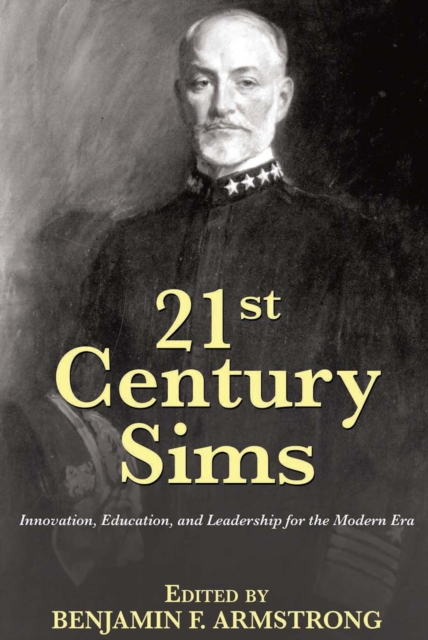
21st Century Sims
For more than two decades at the beginning of the 20th century William S. Sims was at the forefront of naval affairs. From the revolution in naval gunnery that he led as a junior officer, to his advocacy for the Dreadnaught style all-big-gun battleship, to his development of torpedo boat and destroyer operations, he was a central figure in helping to prepare the U.S. Navy for World War I. During the war he served as the senior naval commander in Europe and was instrumental in the establishment of the convoy system that won the Battle of the Atlantic. Following the war his leadership as President of the Naval War College established the foundations of the creative and innovative Navy that would develop the operating concepts for submarines and aircraft carriers which would lead to success in World War II. Despite his dramatic impact on the U.S. Navy in the first half of the 20th century, Sims is a relatively unknown figure today. Overshadowed in our memory by the World War II generation of strategic Admirals, like Chester Nimitz and Raymond Spruance, he receives little attention from historians or professional naval officers. Despite the fact that he won a Pulitzer Prize for history, hardly anyone reads the books or articles he left as his legacy. This collection of six essays written by Sims illustrates why his thinking and leadership are relevant to the challenges faced in the 21st century. From the perils of military conservatism, to the responsibilities of the professional officer, to military downsizing and reform, he helped lay the foundations of the modern Navy. Armstrong's introductions and analysis of these essays links them directly to the issues of innovation, professional education, and leadership that are as important at the start of this century as they were at the start of the last.
eBook