
Catalogue Search | MBRL


Are you sure you want to remove the book from the shelf?

{{itemTitle}}
128
result(s) for
"Aspinall, Peter"
Sort by:
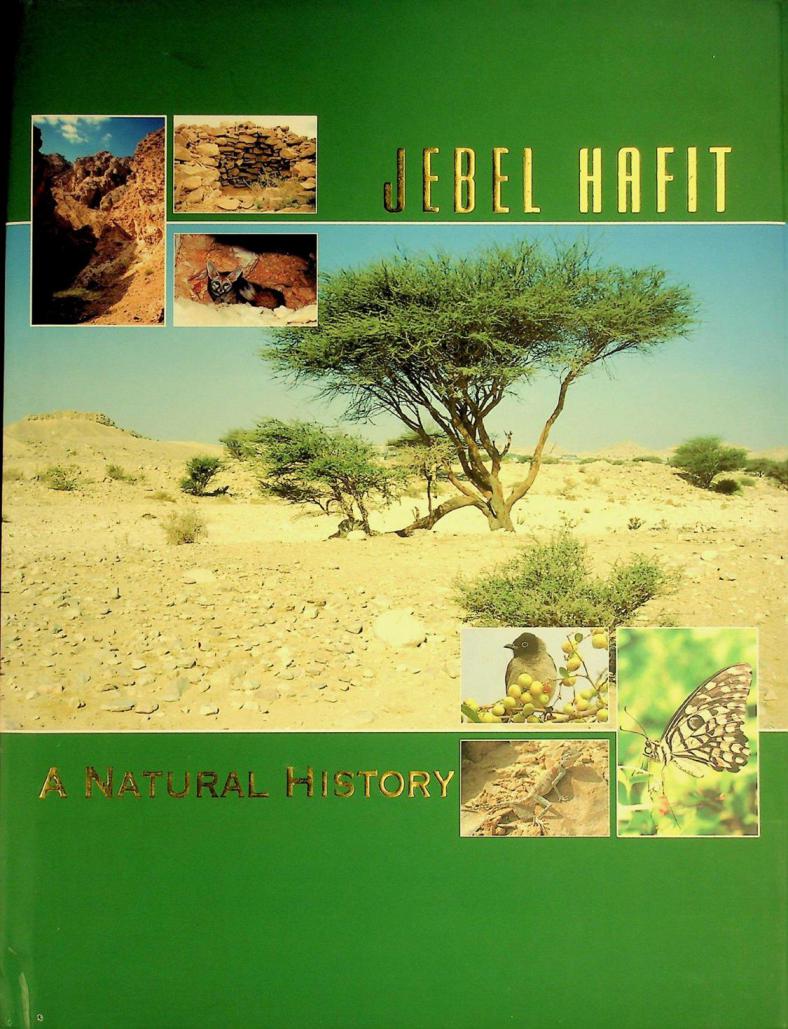
Jebel Hafit : a natural history
This seminal volume offers the first multidisciplinary scientific survey of Jebel Hafit, the limestone mountain that dominates the skyline of Al Ain and straddles the border between the United Arab Emirates and Oman. Edited by two of the region’s most distinguished naturalists, the work consolidates decades of field research into a singular record of the mountain's unique biodiversity, geology, and archaeology. It serves as a critical defense for the conservation of the \"island mountain\" ecosystem, which serves as a refuge for rare and endemic species in a rapidly developing desert landscape.
BOOK


Green Space and Stress: Evidence from Cortisol Measures in Deprived Urban Communities
Contact with green space in the environment has been associated with mental health benefits, but the mechanism underpinning this association is not clear. This study extends an earlier exploratory study showing that more green space in deprived urban neighbourhoods in Scotland is linked to lower levels of perceived stress and improved physiological stress as measured by diurnal patterns of cortisol secretion. Salivary cortisol concentrations were measured at 3, 6 and 9 h post awakening over two consecutive weekdays, together with measures of perceived stress. Participants (n = 106) were men and women not in work aged between 35–55 years, resident in socially disadvantaged districts from the same Scottish, UK, urban context as the earlier study. Results from linear regression analyses showed a significant and negative relationship between higher green space levels and stress levels, indicating living in areas with a higher percentage of green space is associated with lower stress, confirming the earlier study findings. This study further extends the findings by showing significant gender differences in stress patterns by levels of green space, with women in lower green space areas showing higher levels of stress. A significant interaction effect between gender and percentage green space on mean cortisol concentrations showed a positive effect of higher green space in relation to cortisol measures in women, but not in men. Higher levels of neighbourhood green space were associated with healthier mean cortisol levels in women whilst also attenuating higher cortisol levels in men. We conclude that higher levels of green space in residential neighbourhoods, for this deprived urban population of middle-aged men and women not in work, are linked with lower perceived stress and a steeper (healthier) diurnal cortisol decline. However, overall patterns and levels of cortisol secretion in men and women were differentially related to neighbourhood green space and warrant further investigation.
Journal Article
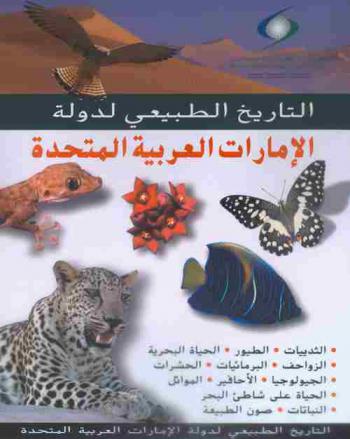
التاريخ الطبيعي لدولة الإمارات العربية المتحدة
يتناول كتاب (التاريخ الطبيعي لدولة الإمارات العربية المتحدة) والذي قام بتأليفه (بيتر هيلير) في حوالي (421) صفحة من القطع المتوسط، مستعرضا المحتويات التالية تمهيد، تقديم، الدراسات العلمية، ثم تناول الحديث عن الجيولوجيا وتناول فيها التاريخ الجيولوجي، صحراء الرمال، بيئة السيخات، جبال الحجر، ثم تكلم عن رسوبيات الزمن الجيولوجي الرابع وفيه تحدث عن التغيرات في منسوب البحر، الكثبان الريحية، الرواسب البحرية، ثم تم الحديث عن السجل الأحقوري وفيه تحدث عن حركة القارات، جيولوجيا وأحافير الإمارات.
Book
Understanding Relationships between Health, Ethnicity, Place and the Role of Urban Green Space in Deprived Urban Communities
Very little is known about how differences in use and perceptions of urban green space impact on the general health of black and minority ethnic (BME) groups. BME groups in the UK suffer from poorer health and a wide range of environmental inequalities that include poorer access to urban green space and poorer quality of green space provision. This study used a household questionnaire (n = 523) to explore the relationship between general health and a range of individual, social and physical environmental predictors in deprived white British and BME groups living in ethnically diverse cities in England. Results from Chi-Squared Automatic Interaction Detection (CHAID) segmentation analyses identified three distinct general health segments in our sample ranging from “very good” health (people of Indian origin), to ”good” health (white British), and ”poor” health (people of African-Caribbean, Bangladeshi, Pakistani origin and other BME groups), labelled ”Mixed BME” in the analyses. Correlated Component Regression analyses explored predictors of general health for each group. Common predictors of general health across all groups were age, disability, and levels of physical activity. However, social and environmental predictors of general health-including use and perceptions of urban green space-varied among the three groups. For white British people, social characteristics of place (i.e., place belonging, levels of neighbourhood trust, loneliness) ranked most highly as predictors of general health, whilst the quality of, access to and the use of urban green space was a significant predictor of general health for the poorest health group only, i.e., in ”Mixed BME”. Results are discussed from the perspective of differences in use and perceptions of urban green space amongst ethnic groups. We conclude that health and recreation policy in the UK needs to give greater attention to the provision of local green space amongst poor BME communities since this can play an important role in helping address the health inequalities experienced by these groups.
Journal Article
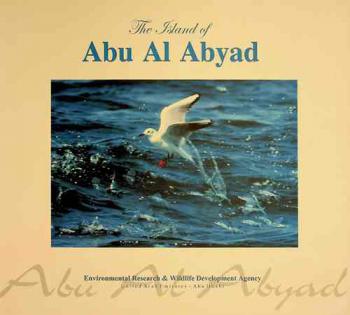
The island of Abu Al Abyad
This multidisciplinary scientific monograph provides the first exhaustive ecological assessment of Abu Al Abyad, the largest offshore island in the Emirate of Abu Dhabi. Written by a team of ten specialists, the work documents a unique \"living laboratory\" where traditional desert ecosystems meet managed conservation efforts. The study is particularly significant for its record of the island’s transformation from a barren landscape into a thriving sanctuary for indigenous and exotic wildlife under the patronage of the UAE leadership.
BOOK

Ethnic/Racial Terminology as a Form of Representation: A Critical Review of the Lexicon of Collective and Specific Terms in Use in Britain
All ethnic/racial terminology may be seen as a form of representation, whereby meanings are generated by a range of social categorizers in settings of popular culture, political discourse, and statistical governmentality. This paper investigates these representations through a critical review of the lexicon of collective and specific ethnic/racial terms in use in Britain. Relevant studies and documents were identified through structured searches on databases of peer-reviewed literature and the websites of government census agencies. The full-text corpus of the UK Parliament was used to delineate the genealogies or etymologies of this terminology. The derivation of specific ethnic/racial terms through census processes tends to conform with the theoretical model of mutual entailment of social categories and group identities. This relationship breaks down in the case of the broad and somewhat abstract categories of race/ethnicity originating in the modern bureaucratic processes of government and advocacy by anti-racist organizations, opening up a space for representations that are characterized by their exteriority. Commonly used acronyms are little understood in the wider society, are confusing, and of limited acceptability to those they describe, while other collective terms are offensive and ethnocentric. Accurate description is recommended to delineate ethnic minority populations in terms of their constituent groups.
Journal Article
Mitigating Stress and Supporting Health in Deprived Urban Communities: The Importance of Green Space and the Social Environment
Environment-health research has shown significant relationships between the quantity of green space in deprived urban neighbourhoods and people’s stress levels. The focus of this paper is the nature of access to green space (i.e., its quantity or use) necessary before any health benefit is found. It draws on a cross-sectional survey of 406 adults in four communities of high urban deprivation in Scotland, United Kingdom. Self-reported measures of stress and general health were primary outcomes; physical activity and social wellbeing were also measured. A comprehensive, objective measure of green space quantity around each participant’s home was also used, alongside self-report measures of use of local green space. Correlated Component Regression identified the optimal predictors for primary outcome variables in the different communities surveyed. Social isolation and place belonging were the strongest predictors of stress in three out of four communities sampled, and of poor general health in the fourth, least healthy, community. The amount of green space in the neighbourhood, and in particular access to a garden or allotment, were significant predictors of stress. Physical activity, frequency of visits to green space in winter months, and views from the home were predictors of general health. The findings have implications for public health and for planning of green infrastructure, gardens and public open space in urban environments.
Journal Article
Do Conceptualisations of ‘Mixed Race’, ‘Interracial Unions’, and Race’s ‘Centrality to Understandings of Racism’ Challenge the UK’s Official Categorisation by Ethnic Group?
A focus on ‘mixed race’ and mixedness in Britain has revived a debate around the central question of whether the decennial census and other official data collections should be capturing ‘race’ rather than ethnic group and producing ‘racial’ outputs. The British practice may seem out of step by some commentators, given that ‘mixed race’ is the term of choice amongst those it describes, and given scholarly interest in interracial unions. Moreover, the resurgence of interest in ‘race’ and racisms in the context of the ‘Black Lives Matter’ movement and concern over the down-playing in a UK Government-commissioned report of the role of structural racism has enlivened the debate. However, this paper argues against a shift to ‘race’ in official data collection and for continued use of the conceptually preferable ‘ethnic group’ in the census question title, the section label ‘mixed/multiple ethnic groups’, and the ongoing provision of data on unions at the pan-ethnic and granular levels. A measure of socially constructed ‘race’ is already available in all but name in the pan-ethnic section labels (White, Asian, Black, Mixed, and Other) and the tick boxes under the ‘mixed/multiple’ heading. Ethnic group has been the conceptual basis of the question since the field trials for the 1991 Census, and its position has been strengthened by the increasing granularity of the categorisation (19 categories in the 2021 England and Wales Census) and by substantial distributed free-text provision that underpins the question’s context of self-identification. The wider understanding of ‘race’ identifications invokes ascription, imposition, and social categorisation rather than self-identification and subscription. There is also evidence of the unacceptability of ‘race’ in the context of the census amongst the wider society.
Journal Article