
Catalogue Search | MBRL


Are you sure you want to remove the book from the shelf?

{{itemTitle}}
4,393
result(s) for
"Bauer, P"
Sort by:

Secret history : the story of cryptology
\"Codes are a part of everyday life, from the ubiquitous Universal Price Code (UPC) to postal zip codes. They need not be intended for secrecy. They generally use groups of letters (sometimes pronounceable code words) or numbers to represent other words or phrases. There is typically no mathematical rule to pair an item with its representation in code. A few more examples will serve to illustrate the range of codes\"-- Provided by publisher.
Book

Long-term exposure to traffic-related air pollution and insulin resistance in children: results from the GINIplus and LISAplus birth cohorts
Aims/hypothesis
Epidemiological studies that have examined associations between long-term exposure to traffic-related air pollution and type 2 diabetes mellitus in adults are inconsistent, and studies on insulin resistance are scarce. We aimed to assess the association between traffic-related air pollution and insulin resistance in children.
Methods
Fasting blood samples were collected from 397 10-year-old children in two prospective German birth cohort studies. Individual-level exposures to traffic-related air pollutants at the birth address were estimated by land use regression models. The association between air pollution and HOMA of insulin resistance (HOMA-IR) was analysed using a linear model adjusted for several covariates including birthweight, pubertal status and BMI. Models were also further adjusted for second-hand smoke exposure at home. Sensitivity analyses that assessed the impact of relocating, study design and sex were performed.
Results
In all crude and adjusted models, levels of insulin resistance were greater in children with higher exposure to air pollution. Insulin resistance increased by 17.0% (95% CI 5.0, 30.3) and 18.7% (95% CI 2.9, 36.9) for every 2SDs increase in ambient NO
2
and particulate matter ≤10 μm in diameter, respectively. Proximity to the nearest major road increased insulin resistance by 7.2% (95% CI 0.8, 14.0) per 500 m.
Conclusions/interpretation
Traffic-related air pollution may increase the risk of insulin resistance. Given the ubiquitous nature of air pollution and the high incidence of insulin resistance in the general population, the associations examined here may have potentially important public health effects despite the small/moderate effect sizes observed.
Journal Article

Unsolved! : the history and mystery of the world's greatest ciphers from ancient Egypt to online secret societies
\"In 1953, a man was found dead from cyanide poisoning near the Philadelphia airport with a picture of a Nazi aircraft in his wallet. Taped to his abdomen was an enciphered message. In 1912, a book dealer named Wilfrid Voynich came into possession of an illuminated cipher manuscript once belonging to Emperor Rudolf II, who was obsessed with alchemy and the occult. Wartime codebreakers tried--and failed--to unlock the book's secrets, and it remains an enigma to this day. In this lively and entertaining book, Craig Bauer examines these and other vexing ciphers yet to be cracked. Some may reveal the identity of a spy or serial killer, provide the location of buried treasure, or expose a secret society--while others may be elaborate hoaxes. Unsolved! begins by explaining the basics of cryptology, and then explores the history behind an array of unsolved ciphers. It looks at ancient ciphers, ciphers created by artists and composers, ciphers left by killers and victims, Cold War ciphers, and many others. Some are infamous, like the ciphers in the Zodiac letters, while others were created purely as intellectual challenges by figures such as Nobel Prize-winning physicist Richard P. Feynman. Bauer lays out the evidence surrounding each cipher, describes the efforts of geniuses and eccentrics--in some cases both--to decipher it, and invites readers to try their hand at puzzles that have stymied so many others. Unsolved! takes readers from the ancient world to the digital age, providing an amazing tour of many of history's greatest unsolved ciphers\"-- Provided by publisher.
Book

Mechanical power guided lung protective ventilation in acute respiratory failure using the VentCoach approach
Mechanical power (MP) is increasingly recognized as a unifying variable that encapsulates ventilator-derived factors contributing to ventilator-induced lung injury. However, its clinical application remains limited by several challenges, including the lack of accessible real-time MP monitoring. This study aims to demonstrate the feasibility and safety of an electronic health record-integrated, MP-guided, and respiratory therapist (RT)-driven lung-protective ventilation (LPV) protocol (
VentCoach
). Single-center, single-blinded, randomized controlled feasibility trial utilizing block randomization to assign participants to either the standard care or
VentCoach
arm. Adult patients with acute hypoxemic and/or hypercapnic respiratory failure requiring intubation, admitted to medical or mixed medical-surgical ICUs at a tertiary care center in Rochester, Minnesota, were included in the study. The standard care arm received RT-driven lung-protective ventilation (LPV). The
VentCoach
arm received MP-guided adjustments to maintain mechanical power < 12 J/min while ensuring adequate gas exchange. Seventeen patients (
n
= 9 standard care,
n
= 8
VentCoach
) were enrolled, demonstrating the feasibility of
VentCoach
without adverse events or workflow disruptions. No significant differences were observed in mortality, extubation time, dyssynchrony, or the use of sedation, analgesia, neuromuscular blockade, or vasoactive agents. The
VentCoach
group showed trends toward lower sedation requirements (− 25.9 mg/hour vs. +18.1 mg/hour,
p
= 0.09) and greater reduction in mechanical power over 24 h (− 2.0 J/min vs. + 0.6 J/min,
p
= 0.40), although these differences were not statistically significant. This feasibility study demonstrated practical implementation of the
VentCoach
protocol in a critical care setting, with no protocol-related adverse events or workflow disruptions in this limited cohort. While non-inferiority to standard lung-protective ventilation was observed, relationships between MP thresholds and clinical outcomes remain uncertain; directional signals support further study. Larger trials are needed to evaluate safety, MP reduction, and patient-centered outcomes (ClinicalTrials.gov Identifier: NCT07294768, Registration Date and Last Public Release: 12/08/2025).
Journal Article


High-sensitivity dual-comb and cross-comb spectroscopy across the infrared using a widely tunable and free-running optical parametric oscillator
Dual-comb spectroscopy (DCS) enables high-resolution measurements at high speeds without the trade-off between resolution and update rate inherent to mechanical delay scanning. However, high complexity and limited sensitivity remain significant challenges for DCS systems. We address these via a wavelength-tunable dual-comb optical parametric oscillator (OPO) combined with an up-conversion detection method. The OPO is tunable from 1300-1670 nm (signal) and 2700-5000 nm (idler). Spatial multiplexing in both the laser and OPO cavities creates a near-common path arrangement, enabling comb-line-resolved measurements in free-running operation. The narrow instantaneous bandwidth results in high power per comb-line up to 160
μ
W in the mid-infrared. Through intra-cavity up-conversion based on cross-comb spectroscopy, we leverage these power levels while overcoming the sensitivity limitations of direct mid-infrared detection. This approach yields a high signal-to-noise ratio (50.2 dB Hz
1/2
) and high dual-comb figure of merit (3.5 × 10
8
Hz
1/2
). This scheme enabled detecting ambient methane over a 3-meter path length in millisecond time scale.
The authors demonstrate a widely tunable dual-comb optical parametric oscillator in the mid-infrared, and combine it with an intra-cavity up-conversion detection scheme to obtain high-sensitivity and high-resolution spectroscopy measurements.
Journal Article


Clostridium difficile infection in Europe: a hospital-based survey
Little is known about the extent of
Clostridium difficile infection in Europe. Our aim was to obtain a more complete overview of
C difficile infection in Europe and build capacity for diagnosis and surveillance.
We set up a network of 106 laboratories in 34 European countries. In November, 2008, one to six hospitals per country, relative to population size, tested stool samples of patients with suspected
C difficile infection or diarrhoea that developed 3 or more days after hospital admission. A case was defined when, subsequently, toxins were identified in stool samples. Detailed clinical data and stool isolates were collected for the first ten cases per hospital. After 3 months, clinical data were followed up.
The incidence of
C difficile infection varied across hospitals (weighted mean 4·1 per 10 000 patient-days per hospital, range 0·0–36·3). Detailed information was obtained for 509 patients. For 389 of these patients, isolates were available for characterisation. 65 different PCR ribotypes were identified, of which 014/020 (61 patients [16%]), 001 (37 [9%]), and 078 (31 [8%]) were the most prevalent. The prevalence of PCR-ribotype 027 was 5%. Most patients had a previously identified risk profile of old age, comorbidity, and recent antibiotic use. At follow up, 101 (22%) of 455 patients had died, and
C difficile infection played a part in 40 (40%) of deaths. After adjustment for potential confounders, an age of 65 years or older (adjusted odds ratio 3·26, 95% CI 1·08–9·78; p=0·026), and infection by PCR-ribotypes 018 (6·19, 1·28–29·81; p=0·023) and 056 (13·01; 1·14–148·26; p=0·039) were significantly associated with complicated disease outcome.
PCR ribotypes other than 027 are prevalent in European hospitals. The data emphasise the importance of multicountry surveillance to detect and control
C difficile infection in Europe.
European Centre for Disease Prevention and Control.
Journal Article
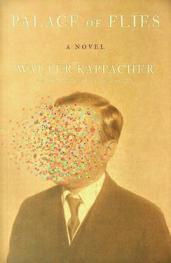
Palace of flies : a novel
\"This absorbing, sensitive novel portrays a famed author in a moment of crisis: an aging Hugo von Hofmannsthal returns to a summer resort outside of Salzburg that he visited as a child. But in the spa town where he once thrilled to the joys of youth, he now feels unproductive and uninspired, adrift in the modern world born after World War One. Over ten days in 1924 in a ramshackle inn that has been renamed the Grand Hotel, Hofmannsthal fruitlessly attempts to complete a play he's long been wrestling with. The writer is plagued by feelings of loneliness and failure that echo in a buzz of inner monologues, imaginary conversations and nostalgic memories of relationships with glittering cultural figures. Palace of Flies conjures up an individual state of distress and disruption at a time of fundamental societal transformation that speaks eloquently to our own age\"-- Provided by publisher.
BOOK