
Catalogue Search | MBRL


Are you sure you want to remove the book from the shelf?

{{itemTitle}}
152
result(s) for
"Bergmann, Jonathan"
Sort by:

The mastery learning handbook : a competency-based approach to student achievement
Mastery learning is an instructional approach that empowers every student to progress with confidence.
Using flexible pacing and targeted supports, teachers guide students through a cyclic process of preparation, demonstration, and formative feedback until there is a mutual agreement between teacher and student that the student is ready to advance.
In this book, educator Jonathan Bergmann, a pioneer of the flipped classroom movement, walks you step by step through the mastery learning cycle, explaining what it entails and providing the templates, models, and rubrics you need to start using it in your own classroom. You'll learn how to
* Set meaningful, measurable, and transferable learning objectives that target essential knowledge, skills, and dispositions.
* Develop a mastery rubric to check for student levels of proficiency.
* Create an assessment plan that ensures positive learning experiences for all.
* Plan and deliver units that incorporate both time-shifted direct instruction and collaborative application activities within the classroom space.
* Provide timely differentiated support, based on students' individual learning needs.
Informed by trial and error in his own classroom and by discussions with other expert practitioners, Bergmann shares commonsense solutions to the major challenges of mastery learning implementation: everything from how to manage pacing to how to create multiple versions of tests, determine grades, and get stakeholder buy-in.
The Mastery Learning Handbook is both an introduction to this exciting instructional approach and a practical resource that K–12 teachers can turn to again and again. See for yourself just how effective, enjoyable, and transformative mastery learning can be.
eBook


Before you flip, consider this
Authors are among the leading proponents of the flipped classroom. They explain the genesis of the concept and talk about changes they expect to see in classroom flipping going forward. Flipping your class starts with asking ONE simple question, the authors say. What is the best use of face-to-face time with students? And if you are going to flip your classroom -- though each situation is different -- there are some general guideposts to consider that include having a network of teachers, support from administration, time, and the IT capacity to get things done and students and teachers supported. [PUBLICATION ABSTRACT]
Journal Article

التعلم المقلوب : بوابة لمشاركة الطلاب : (الكتاب المرافق للصف المقلوب)
ينتقل كتاب \"التعلـم المقلوب : بوابة لمشاركة الطلاب\" إلى الخطوة المنطقية التالية في تطور مسار الصـف المقلوب-فالتعلـم المقلوب-متوجها نحو تعلـم أكثر إحكامـا واستراتيجيات تعليم تـحدث تحويلا في التعلـم بإشغال كل طالب وإحداث تعلـم أكثر عمقـا وتقدمـا. ويهدف الكتاب إلى إعانة المعلمين وإرشادهم إلى كيفية تحويل الصفوف إلى التعلم المقلوب، ليشبعوا حاجات كل طالب، من خلال مجموعة أنشطة يقدمها المؤلفان حول عمل معلمين وخبراء في التكنولوجيا ومتخصصين في التعليم المهني، تصف أثر التعلـم المقلوب على طلابهم وهم يتابعون مساره، وكيف وجهوا طلابهم نحو تعلـم أكثر تقدمـا وتكوين علاقات إيجابية بينهم. وجاء الكتاب في (14) فصلا تضم : نموذج التعلم المقلوب، مفاهيم مغلوطة في الصف المقلوب، محتوى وحب استطلاع وعلاقة، توجه إلى تعلـم أكثر عمقـا وأوسع أفقـا، واعمل على تكوين علاقات، تعلم أكثر عمقـا من خلال صف محوره الطالب، الانتقال إلى تعلـم محوره الطالب، الصف المقلوب في التربية البدنية، الانتقال بالصف المقلوب إلى تعلم أكثر عمقـا، رسخ ديموقراطية التعلـم من خلال الصف المقلوب، مساق اللغة الإنجليزية مهيأ للانقلاب، طريقي لأن أصبح مربيـا عصريـا، التعرف على طلابي, الصعود إلى الإبداع بالتطور المهني المقلوب، العصارة التربوية الحلوة.
BOOK

Brief Component Analysis to Identify the Active Variable in the Maintenance of Tolerance for Delay of Reinforcement Intervention for an Adolescent with Autism
This study adopted a brief component analysis to examine the active variable in a tolerance for delay of reinforcement (TFD) intervention procedure to decrease tangible-maintained problem behavior for a male adolescent with autism. Antecedent-based functional analysis suggested that problem behavior occurred most when access to tangible items or activities was restricted. With the introduction of a TFD intervention procedure using a combination of a general delay cue and an explicit delay cue, the learner’s problem behavior decreased to a low level and he quickly learned to wait for access to preferred items for 10 min with no problem behavior. Two weeks after the learner met the mastery criterion, a component analysis was conducted through a brief ABA withdrawal design, to separate the relative contributions of the general delay cue and the explicit delay cue in the maintenance of the TFD intervention. The combination of general and explicit delay cues resulted in low levels of problem behavior and higher toleration of delays to reinforcement relative to the general delay cue alone. Implications and limitations are discussed.
Journal Article

الصف المقلوب : الوصول كل يوم إلى كل طالب في كل صف
هذا الكتاب يطرح مفهوما وأسلوبا جديدا وطريقة تعليمية مبتكرة لمعالجة أهم الأسباب التي تدفع الشباب نحو العزوف عن التعلم بشكل عام .. ففي عصر التقدم والعولمة وانغماس الأجيال الحديثة في وسائل التقنية والتطور كالأجهزة المحمولة واللوحية، أصبحت الطرق التقليدية في التدريس غير مجدية، والمقصود بهذا العنوان هو أن يتم قلب العملية التعليمية بين الصف في المدرسة والمنزل وذلك عن طريق توظيف وسائل التكنولوجيا الحديثة لتحضير الدرس وعرضه. مثال : أن يطلع الطالب على المادة العلمية في المنزل ويتعرف عليها جيدا، فيقوم المعلم بإعداد ملف مرئي يشرح المفاهيم الجديدة باستخدام التقنيات السمعية والبصرية وبرامج المحاكاة والتقييم التفاعلي لتكون في متناول الطالب قبل الدرس، ومتاحة له على مدار الوقت.
Book

Flip Your Classroom, Revised Edition
This revised edition of the groundbreaking book shares innovators Jonathan Bergmann and Aaron Sams's insights on how to successfully flip a classroom and covers new advances in the field.
It started with a simple observation: Students need their teachers present to answer questions or to provide help if they get stuck on an assignment; they don't need their teachers present to listen to a lecture or review content. From there, Jon Bergmann and Aaron Sams began the flipped classroom. Students watched recorded lectures for homework and completed their assignments, labs and tests in class with their teacher available. What they found was that their students demonstrated a deeper understanding of the material than ever before. This is the authors' story, updated and expanded, to ensure it's as relevant to your classroom as ever.
The revised edition includes:
* New case studies illustrating flipped learning applied by an individual teacher and across a school district.
* A new appendix focused on best practices for creating videos for your classes.
* Educator examples that demonstrate the ISTE Standards in action.
* Updates to tools, terms and resources to reflect the current learning landscape.
In the revised edition of this landmark text, you'll discover the flipped mastery model that allows students to learn at their own pace, furthering opportunities for personalized education. This simple concept is easily replicable in any classroom, doesn't cost much to implement and helps foster self-directed learning.
Audience: Elementary and secondary classroom teachers
eBook
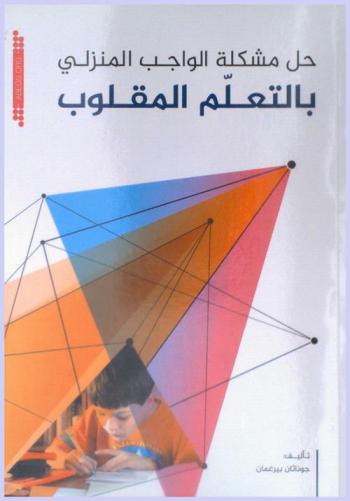
حل مشكلة الواجب المنزلي بالتعلم المقلوب
ويعرض الكتاب كيفية حل مشكلة الواجبات المنزلية عن طريق التعلم المقلوب، من خلال فكرة مقاطع الفيديو المقلوبة، ويقدم إرشادات خطوة بخطوة لجعلها ف عالة. ويتضمن الكتاب أيضـا أشكال ونماذج مفيدة، ونموذج استبانة مسحية للطالب، ورسالة نموذجية لإرسالها إلى أولياء الأمور لشرح مفهوم التعلـم المقلوب، بعد أن يبين: لماذا الواجبات المنزلية التقليدية تسبب الفزع والإحباط للطلاب كيف أن التعلم المقلوب الذي يتيح للطلاب إكمال جوانب التعلم الأصعب والأكثر تحليلا والأعمق تفكي را في غرفة الصف بدلا من تأديتها بأنفسهم في المنزل من شأنه أن يحسن تعلم الطلاب.
BOOK
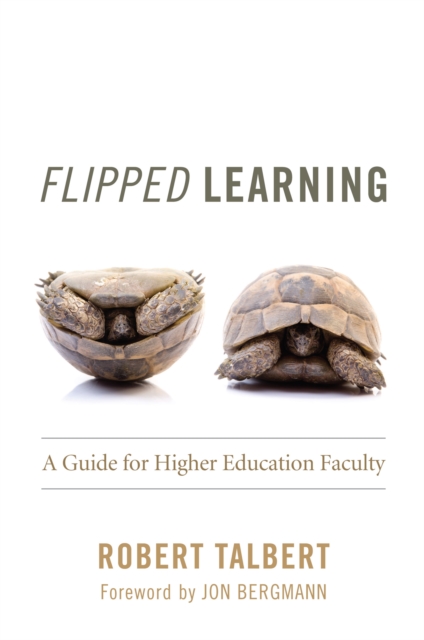
Flipped Learning
Flipped learning is an approach to the design and instruction of classes through which, with appropriate guidance, students gain their first exposure to new concepts and material prior to class, thus freeing up time during class for the activities where students typically need the most help, such as applications of the basic material and engaging in deeper discussions and creative work with it. While flipped learning has generated a great deal of excitement, given the evidence demonstrating its potential to transform students' learning, engagement and metacognitive skills, there has up to now been no comprehensive guide to using this teaching approach in higher education. Robert Talbert, who has close to a decade's experience using flipped learning for majors in his discipline, in general education courses, in large and small sections, as well as online courses - and is a frequent workshop presenter and speaker on the topic - offers faculty a practical, step-by-step, \"how-to\" to this powerful teaching method. He addresses readers who want to explore this approach to teaching, those who have recently embarked on it, as well as experienced practitioners, balancing an account of research on flipped learning and its theoretical bases, with course design concepts to guide them set up courses to use flipped learning effectively, tips and case studies of actual classes across various disciplines, and practical considerations such as obtaining buy-in from students, and getting students to do the pre-class activities. This book is for anyone seeking ways to get students to better learn the content of their course, take more responsibility for their work, become more self-regulated as learners, work harder and smarter during class time, and engage positively with course material. As a teaching method, flipped learning becomes demonstrably more powerful when adopted across departments. It is an idea that offers the promise of transforming teaching in higher education.
eBook