
Catalogue Search | MBRL


Are you sure you want to remove the book from the shelf?

{{itemTitle}}
4
result(s) for
"Berke, Joseph author"
Sort by:
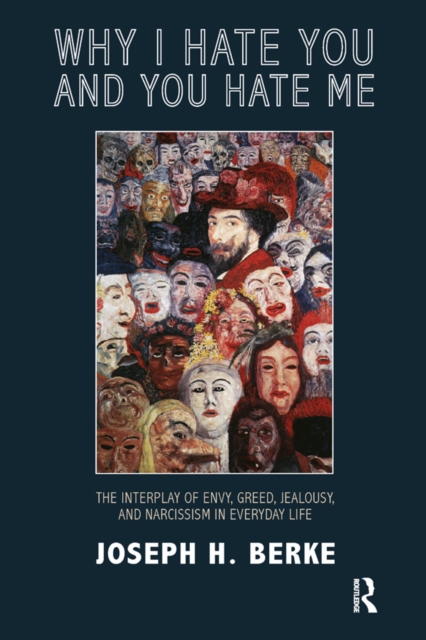
Why I Hate You and You Hate Me
'Man' himself is the source of the dark forces against which he is constantly struggling. The book shows how is possible to transcend this basic malice by knowing how, what, why and when it arises. Envy, greed, jealousy and narcissism (the flip side of envy) are the essential components of the negative side of the self. Their positive counterparts are gratitude, generosity and compassion. Each element does not exist in isolation from the other. The interplay of these forces of hate and love create the underlying structure of our lives, which on a personal level is called \"character\" and on the social level is called \"culture\". When malice predominates the result is murder and mayhem, vandalism and war. This encompasses the blind butchery of our environment and fellow creatures which permeates so many areas of the world, such as Libya, Ireland, Congo, Cambodia, or central London during recent demonstrations. This study will focus on the negative or angry constituents of the personality.
eBook

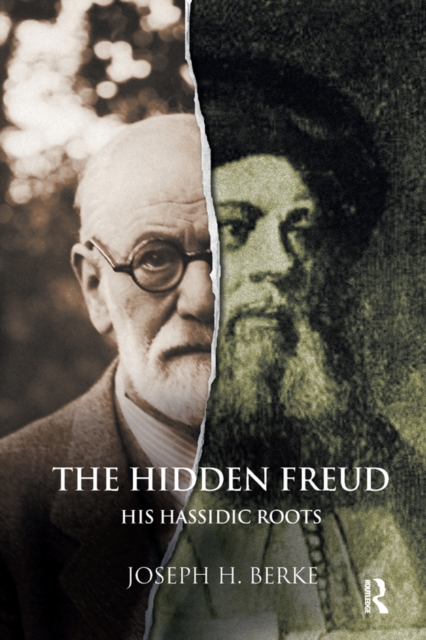
The Hidden Freud
This book explores Sigmund Freud and his Jewish roots and demonstrates the input of the Jewish mystical tradition into Western culture via psychoanalysis. It shows in particular how the ideas of Kabbalah and Hassidism have profoundly influenced and enriched our understanding of mental processes and clinical practices. Freud's own ancestors were hassidim going back many generations, and the book examines how this background influenced both his life and his work. It also shows how he struggled to deny these roots in order to be accepted as a secular, German professional, and at the same time how he used them in the development of his ideas about dreaming, sexuality, depression and mental structures as well as healing practices. The book argues that in many important respects psychoanalysis can be seen as a secular extension of Kabbalah. The author shows, for example, how Freud utilized the Jewish mystical tradition to develop a science of subjectivity.
eBook