
Catalogue Search | MBRL


Are you sure you want to remove the book from the shelf?

{{itemTitle}}
2
result(s) for
"Biffis, Giulia, editor"
Sort by:

The returning hero : nostoi and traditions of Mediterranean settlement
A recurring and significant theme in ancient Greek literature is that of returns and returning, marked by the Greek word nostos. This volume offers an interdisciplinary exploration of nostos in ancient Greek culture, shedding light on perceptions of home and displacement, and on the foundation myths that shaped ancient Greek identity.
Book
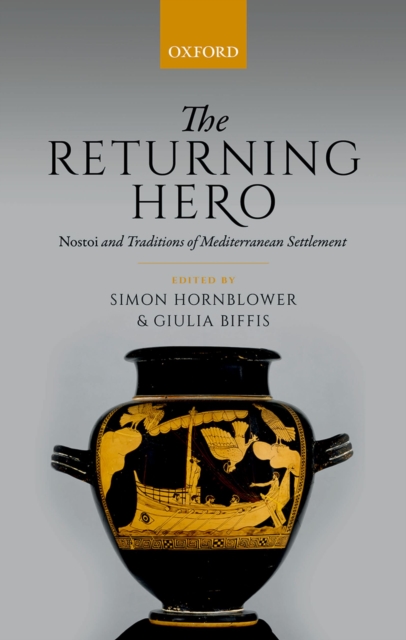
The returning hero : nostoi and traditions of Mediterranean settlement
This interdisciplinary book, which takes its origin from an international conference held in Oxford, brings together experts in ancient Greek (and Roman) history, literature, archaeology, and religion. It is about ancient Greek returns and returning, chiefly—but by no means only—of mythical Greek heroes from Troy. One main, and certainly the most ‘marked’, ancient Greek word for ‘return’ is nostos, plural nostoi, as in the English derivative ‘nostalgia’. The nostos theme runs through Greek literature (prose and poetic) and history from Homer’s Odyssey to Lykophron’s Alexandra, and nostoi were archaeologically and epigraphically commemorated. nostos-related traditions were important ingredients of colonial foundation myths, and helped to define Greek ethnicity, and to crystallize personal and communal identities: two chapters are concerned in different ways with emotions and personal identity, making use of the theoretical tool of place attachment. The special problems and vocabulary of exile are explored in the long Introduction. One chapter shows that failed nostoi can be more interesting than successful ones. Evidential absence (notably that of women) can be as important and illuminating as presence: mythical women are the main subject of another chapter, and they feature extensively in several more. The chapters in this book explore both literary and material evidence so as to achieve a better understanding of the nature of Greek settlement in the Mediterranean zone, and of Greek and Roman perceptions of home, displacement, and returning.
eBook