
Catalogue Search | MBRL


Are you sure you want to remove the book from the shelf?

{{itemTitle}}
94
result(s) for
"Bignell, Jonathan"
Sort by:

British television drama : past, present and future
\"British Television Drama provides resources for critical thinking about key aspects of television drama in Britain since 1960, including institutional, textual, cultural, economic and audience-centred modes of study. It presents and contests significant strands of critical work in the field, since the essays by TV professionals reveal their strongly-held views about TV (which often conflict productively with the views of fellow contributors) and the academics offer reasoned and more developed arguments that advance understanding. The new edition includes a revised chapter by acclaimed TV producer Tony Garnett reflecting on his work since Cathy Come Home in the 1960s, new chapters by Phil Redmond the creator of Brookside and Hollyoaks, and Cameron Roach, Head of Drama Commissioning at Sky TV and former executive producer of Waterloo Road. New academic analyses include work on Downton Abbey, The Sarah Jane Adventures, Ashes to Ashes, adaptations of Persuasion, and the changing production methods on Coronation Street. The book's three sections are framed by new introductory essays by the editors to establish and contextualise the primary concerns and methodologies of each chapter\"-- Provided by publisher.
Book

Cringe Histories: Harold Pinter and the Steptoes
This article argues that cringe humour in British television had begun at least by the early 1960s and derived from a theatre history in which conventions of Naturalism were modified by emergent British writers working with European avant-garde motifs. The article makes the case by analysing the importance of cringe to the BBC sitcom Steptoe and Son, tracing its form and themes back to the ‘comedy of menace’ and ‘Theatre of the Absurd’ emblematised by the early work of playwright Harold Pinter. The article links the play that made Pinter’s reputation, The Birthday Party, to dramatic tropes and social commentary identified in Steptoe and Son and in other British sitcoms with cringe elements. The analysis not only discusses relationships between the different dramatic works on stage and screen but also pursues some of the other connections between sitcom and Pinter’s drama via networks of actors and contemporaneous discourses of critical commentary. It assesses the political stakes of cringe as a comic form, particularly the failure of cringe to impel political activism, and places this in the context of the repeated broadcast of Pinter’s plays and episodes of Steptoe and Son over an extended period.
Journal Article

Epic/everyday : moments in television
This collection explores the presence within television of the epic and the everyday, with reference to a range of fictional television programming, including episodic series and serial dramas, sitcoms, science-fiction, spy dramas, children's TV and detective shows.
Book
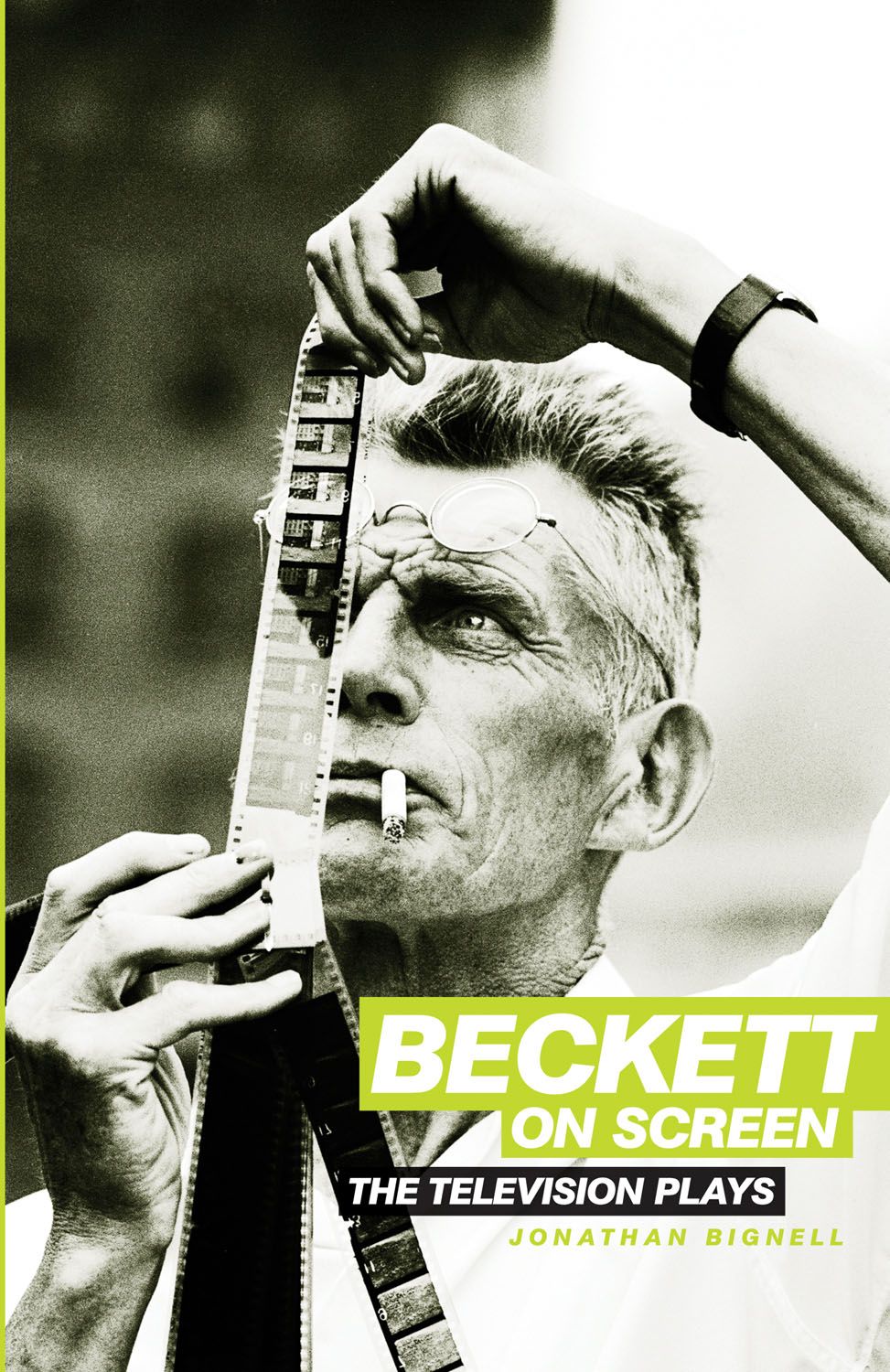
Beckett on Screen
This ground-breaking study analyses Beckett’s television plays in relation to the history and theory of television. It argues that they are in dialogue with innovative television traditions connected to Modernism in television, film, radio, theatre, literature and the visual arts.Using original research from BBC archives and manuscript sources, the book provides new perspectives on the relationships between Beckett’s television dramas and the wider television culture of Britain and Europe. It also compares and contrasts the plays for television with Beckett’s Film and broadcasts of his theatre work including the recent Beckett on Film season. Chapters deal with the production process of the plays, the broadcasting contexts in which they were screened, institutions and authorship, the plays’ relationships with comparable programmes and films and reaction to Beckett’s screen work by audiences and critics. This book is a major contribution to Beckett scholarship and to studies of television drama. It will be essential reading in literature and drama studies, television historiography and for devotees of Beckett’s work.
eBook

Specially for Television?
Abstract
This article analyses tensions between medium specificity and intermediality in Beckett's first original drama for television, Eh Joe (1966), which exploits features of the medium such as the spatiality of the studio, monochrome images and close-up. But its visual motifs also echo Beckett's cinema debut, Film (1964), and uses of sound and voice from his radio plays. The public promotion of Eh Joe centred on its relationships with Beckett's theatre plays, while Eh Joe's first audiences adduced frames of reference from both theatre and television. Eh Joe works with the porosity of media boundaries and performatively renegotiates them.
Journal Article
Specially for Television?
This article analyses tensions between medium specificity and intermediality in Beckett’s first original drama for television, Eh Joe (1966), which exploits features of the medium such as the spatiality of the studio, monochrome images and close-up. But its visual motifs also echo Beckett’s cinema debut, Film (1964), and uses of sound and voice from his radio plays. The public promotion of Eh Joe centred on its relationships with Beckett’s theatre plays, while Eh Joe ’s first audiences adduced frames of reference from both theatre and television. Eh Joe works with the porosity of media boundaries and performatively renegotiates them.
Journal Article

Beckett on Screen
This ground-breaking study analyses Beckett’s television plays in relation to the history and theory of television. It argues that they are in dialogue with innovative television traditions connected to Modernism in television, film, radio, theatre, literature and the visual arts. Using original research from BBC archives and manuscript sources, the book provides new perspectives on the relationships between Beckett’s television dramas and the wider television culture of Britain and Europe. It also compares and contrasts the plays for television with Beckett’s Film and broadcasts of his theatre work including the recent Beckett on Film season. Chapters deal with the production process of the plays, the broadcasting contexts in which they were screened, institutions and authorship, the plays’ relationships with comparable programmes and films and reaction to Beckett’s screen work by audiences and critics. This book is a major contribution to Beckett scholarship and to studies of television drama. It will be essential reading in literature and drama studies, television historiography and for devotees of Beckett’s work.
eBook
Performing Right(s): Legal Constraints and Beckett's Plays on BBC Television
Drawing on BBC archival documentation, this article outlines how BBC television versions of Beckett's plays were affected by copyright. Rights to record and broadcast original drama for the screen differ from those governing adaptations of existing theatre plays. Rights can be assigned for specific territories and periods of time, and are negotiated and traded via complex contractual agreements. Examining how Beckett's agents and the BBC dealt with rights sheds new light on the history of his work on television.
Journal Article
Beckett on screen: The television plays: The television plays
This ground-breaking study analyses Beckett's television plays in relation to the history and theory of television. It argues that they are in dialogue with innovative television traditions connected to Modernism in television, film, radio, theatre, literature and the visual arts. Using original research from BBC archives and manuscript sources, the book provides new perspectives on the relationships between Beckett's television dramas and the wider television culture of Britain and Europe. It also compares and contrasts the plays for television with Beckett's Film and broadcasts of his theatre work including the recent Beckett on Film season. Chapters deal with the production process of the plays, the broadcasting contexts in which they were screened, institutions and authorship, the plays' relationships with comparable programmes and films and reaction to Beckett's screen work by audiences and critics. It will be essential reading in literature and drama studies, television historiography and for devotees of Beckett's work.
eBook
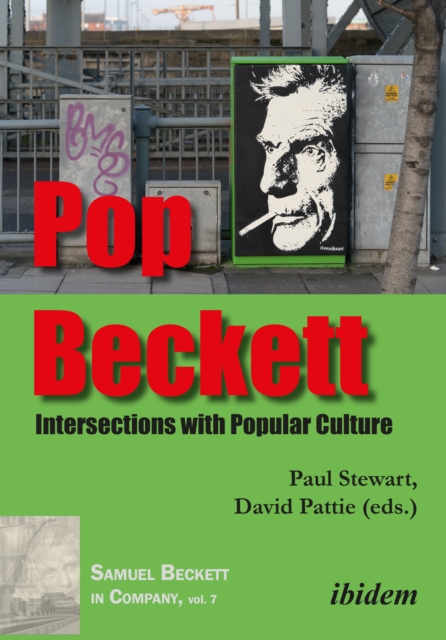
Pop Beckett: Intersections with Popular Culture
When Samuel Beckett’s work first appeared, it was routinely described, by Adorno amongst others, as a clear example of European high culture. However, this judgement ignored an aspect of Beckett’s work and its reception that is, arguably, not yet fully understood; the intimate relation between his work and popular culture. Beckett used popular cultural forms; but popular culture has also found a place both for the work and for the man. This collection of essays examines how popular cultural forms and media are woven into the fabric of Beckett’s works, and how Beckett continues to have far-reaching impact on popular culture today in a host of different forms, in film and on television, from comics to meme culture, tourism to marketing.
eBook