
Catalogue Search | MBRL


Are you sure you want to remove the book from the shelf?

{{itemTitle}}
2
result(s) for
"Brundage, W. Fitzhugh (William Fitzhugh), 1959- author"
Sort by:

Civilizing torture : an American tradition
\"The pilgrims and merchants who first came to America from Europe professed an intention to create a society free of the barbarism of Old World tyranny and New World savagery. But over the centuries Americans have turned to torture during moments of crisis at home and abroad and have debated its legitimacy in defense of law and order. From the Indian wars to Civil War POW prisons and early penitentiaries, from \"the third degree\" in police stations and racial lynchings to the War on Terror, US institutions have proven to be far more amenable to torture than the nation's professed commitment to liberty would suggest. Legal and racial inequality fostered many opportunities for state agents to wield excessive power, which they justified as essential for American safety and well-being. Reconciling state violence with the aspirations of Americans for social and political justice is an enduring challenge. By tracing the historical debates about the efficacy of torture and the attempt to adapt it to democratic values, Civilizing Torture reveals the recurring struggle to decide what limits Americans are willing to impose on the power of the state. At a time of escalating rhetoric aimed at cleansing the nation of the undeserving, as well as ongoing military involvement in conflicts around the world, the debate over torture remains a critical and unresolved part of America's tradition.\"-- Provided by publisher
Book
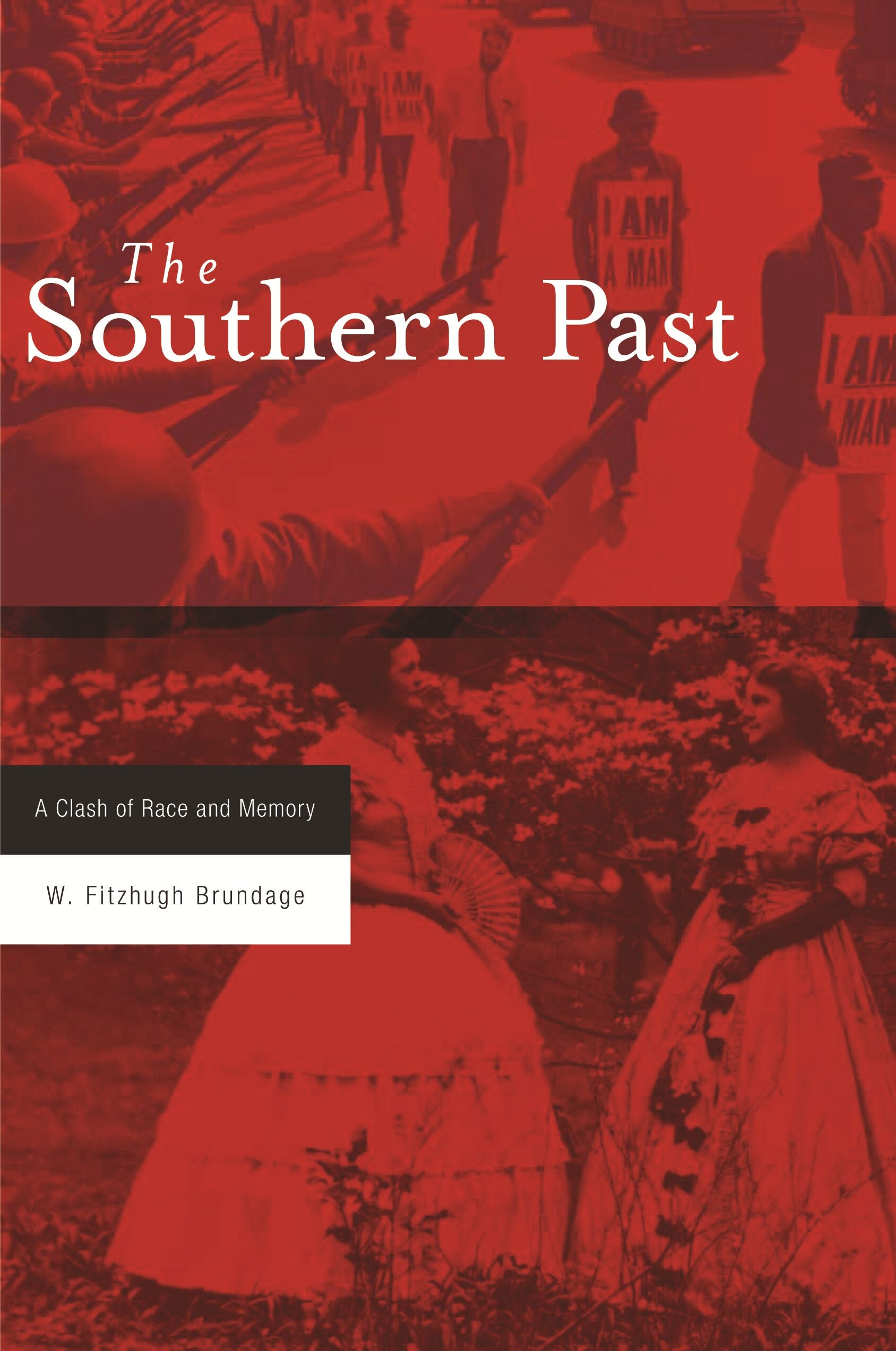
The Southern past : a clash of race and memory
Since the Civil War whites and blacks have struggled over the meanings and uses of the Southern past. The Southern Past argues that these battles are ultimately about who has the power to determine what we remember of the past, and whether that remembrance will honor all Southerners or only select groups.
eBook