
Catalogue Search | MBRL


Are you sure you want to remove the book from the shelf?

{{itemTitle}}
2
result(s) for
"Bullock, Steven C., author"
Sort by:

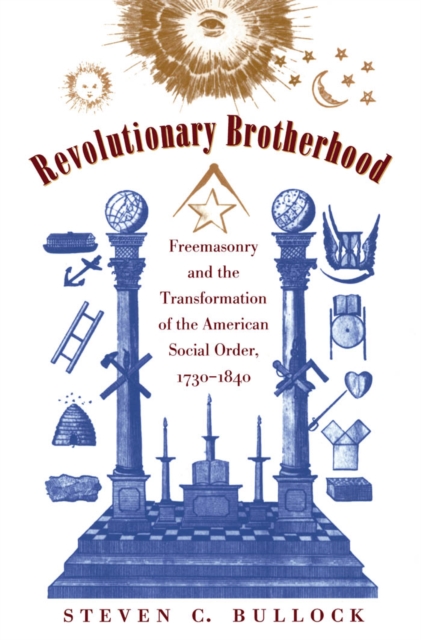
Revolutionary brotherhood : Freemasonry and the transformation of the American social order, 1730-1840
In the first comprehensive history of the fraternity known to outsiders primarily for its secrecy and rituals, Steven Bullock traces Freemasonry through its first century in America. He follows the order from its origins in Britain and its introduction into North America in the 1730s to its near-destruction by a massive anti-Masonic movement almost a century later and its subsequent reconfiguration into the brotherhood we know today. With a membership that included Benjamin Franklin, George Washington, Paul Revere, and Andrew Jackson, Freemasonry is fascinating in its own right, but Bullock also places the movement at the center of the transformation of American society and culture from the colonial era to the rise of Jacksonian democracy. Using lodge records, members' reminiscences and correspondence, and local and Masonic histories, Bullock links Freemasonry with the changing ideals of early American society. Although the fraternity began among colonial elites, its spread during the Revolution and afterward allowed it to play an important role in shaping the new nation's ideas of liberty and equality. Ironically, however, the more inclusive and universalist Masonic ideas became, the more threatening its members' economic and emotional bonds seemed to outsiders, sparking an explosive attack on the fraternity after 1826. American History |A comprehensive history of the first century of Freemasonry in America.
eBook