
Catalogue Search | MBRL


Are you sure you want to remove the book from the shelf?

{{itemTitle}}
120
result(s) for
"Burke, Kay"
Sort by:
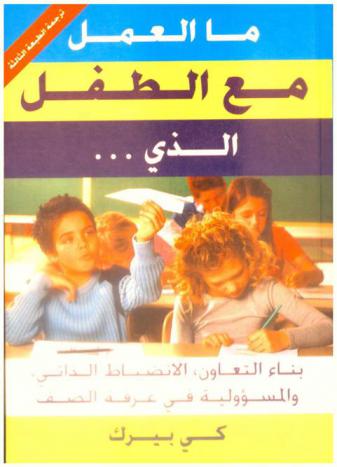
ما العمل مع الطفل الذي ... : بناء التعاون، الانضباط الذاتي، والمسؤولية في غرفة الصف
الغرض الرئيس الذي يرمي إليه هذا الكتاب بفصوله الثمانية هو مساعدة المعلمين المبتدئين والمعلمين المتمرسين على السواء، على أن يوفروا في صفوفهم ومدارسهم مناخا إيجابيا يتيح لهم ولطلابهم فرصة التركيز على التعاون والتآزر والحس بالمسؤولية، وحب التعلم بحيث يفضي كل ذلك إلى تحقيق تعلم الطلاب على أكمل وجه. يتعرض الكتاب عبر فصوله الثمانية إلى تناول ودراسة قضايا أساسية في التعليم أخذت تلعب دورا مهما في تحديد المناهج التعليمية وأساليب تعليمها بما يتوافق مع التوجهات العلمية المعاصرة، منها على سبيل المثال وليس الحصر نظريات التعلم القائمة على أبحاث الدماغ. كتاب غني بكل موضوعاته ويوصى بالاستفادة من كل ما جاء فيه من أفكار واستراتيجيات تفضي إلى تحسين الأداء المدرسي والتعليم والتعلم لمختلف الفئات المعنية.
BOOK

Balanced Assessment
Learn how to integrate formative and summative assessments seamlessly into instruction.The research, rationale, strategies, and examples provided in this book will help teachers develop their own repertoire of formative and summative assessments to monitor, grade, and make inferences about a student's ability to meet standards and curriculum.
eBook
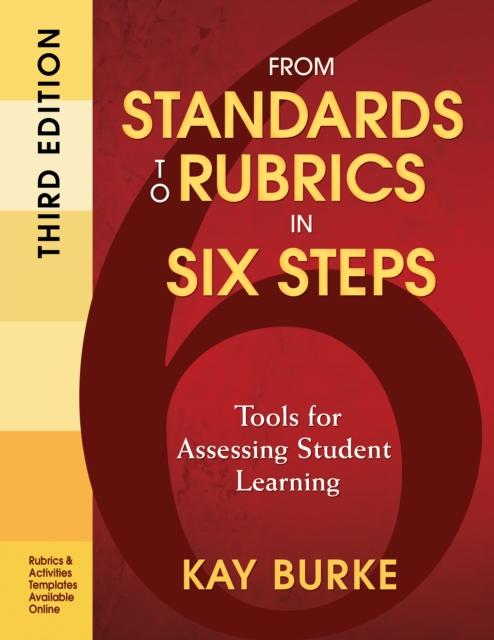
From standards to rubrics in six steps : tools for assessing student learning
Featuring a comprehensive six-step process for moving from standards to rubrics, this updated bestseller helps teachers build tasks, checklists, and rubrics; differentiate for special needs; and more.
eBook

What to Do with the Kid Who
Discover proven disciplinary ideas and strategies for your diverse classroom! The updated edition of this bestseller offers user-friendly strategies and templates to help new and experienced K-12 teachers proactively address common disciplinary issues before they become major problems. Readers will discover practical techniques for establishing a classroom climate that fosters respect and a love for learning. The third edition also includes: Over 100 new scenarios, techniques, and activities for establishing a cooperative classroom 38 strategies with templates to document both academic and behavioral interventions for RTI Checklists to assess student social skills and behavior Assistance with students who need special attention, including bullies.
eBook
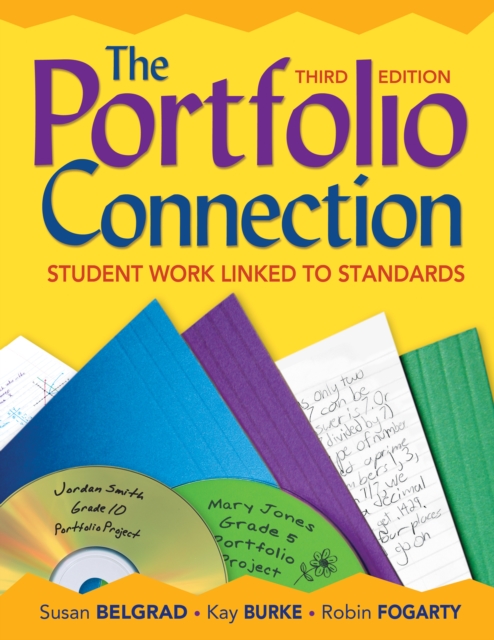
The portfolio connection : student work linked to standards
This third edition covers implementing portfolios that incorporate standards. Includes examples for students with special needs, plus expanded information on e-portfolios and NCLB′s impact on assessment.
eBook
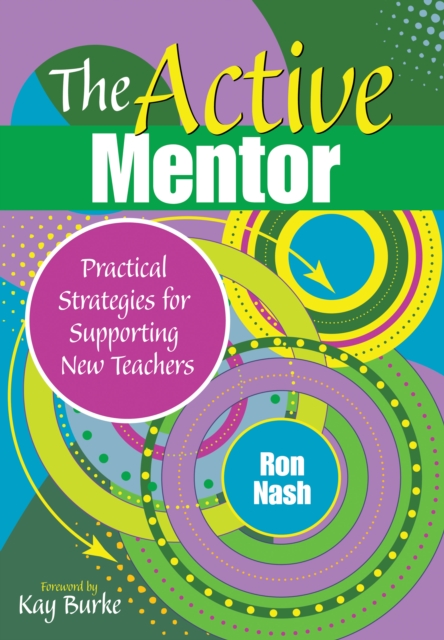
The active mentor
Ron Nash's The Active Mentor: Practical Strategies for Supporting New Teachers builds on his previous two books, The Active Classroom: Practical Strategies for Involving Students in the Learning Process and The Active Teacher: Practical Strategies for Maximizing Teacher Effectiveness. This latest resource demonstrates how county, school, and teacher leaders can build effective, active teacher mentoring programmes for new teachers. As an internationally known teaching coach, Nash builds on his teacher training expertise to show how teacher mentoring-when done well-holds promise for fostering teacher retention and increasing the effectiveness and satisfaction of new teachers. This book goes beyond topics commonly found in coaching and mentoring books to stress the importance of training new teachers to employ the active classroom principles that ensure student engagement and achievement.
eBook


Results-Based Professional Development
Departing from the traditional inservice model of professional development, a new results-based program supports a more focused and individualized growth plan. This approach encourages a community of learners in which teachers are motivated and empowered to improve the quality of education.
Journal Article