
Catalogue Search | MBRL


Are you sure you want to remove the book from the shelf?

{{itemTitle}}
50
result(s) for
"Busch, Miriam"
Sort by:

Raisin, the littlest cow
Raisin enjoys being the littlest cow in the herd, but everything changes when her baby brother arrives.
Book
Microgliosis, astrogliosis and loss of aquaporin-4 polarity in frontal cortex of COVID-19 patients
The severe acute respiratory syndrome coronavirus type 2 (SARS-CoV-2), causing human coronavirus disease 2019 (COVID-19), not only affects the respiratory tract, but also impacts other organs including the brain. A considerable number of COVID-19 patients develop neuropsychiatric symptoms that may linger for weeks and months and contribute to “long-COVID”. While the neurological symptoms of COVID-19 are well described, the cellular mechanisms of neurologic disorders attributed to the infection are still enigmatic. Here, we studied the effect of an infection with SARS-CoV-2 on the structure and expression of marker proteins of astrocytes and microglial cells in the frontal cortex of patients who died from COVID-19 in comparison to non-COVID-19 controls. Most of COVID-19 patients had microglial cells with retracted processes and rounded and enlarged cell bodies in both gray and white matter, as visualized by anti-Iba1 staining and confocal fluorescence microscopy. In addition, gray matter astrocytes in COVID-19 patients were frequently labeled by intense anti-GFAP staining, whereas in non-COVID-19 controls, most gray matter astrocytes expressed little GFAP. The most striking difference between astrocytes in COVID-19 patients and controls was found by anti-aquaporin-4 (AQP4) staining. In COVID-19 patients, a large number of gray matter astrocytes showed an increase in AQP4. In addition, AQP4 polarity was lost and AQP4 covered the entire cell, including the cell body and all cell processes, while in controls, AQP4 immunostaining was mainly detected in endfeet around blood vessels and did not visualize the cell body. In summary, our data suggest neuroinflammation upon SARS-CoV-2 infection including microgliosis and astrogliosis, including loss of AQP4 polarity.
Paper
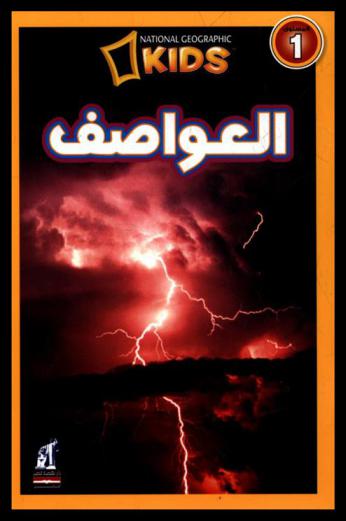
العواصف
أعزائي أولياء الأمور، يعشق الأطفال معرفة العالم المحيط بهم ؛ لذا تقدم هذه المجموعة الرائعة اقرأ مع ناشيونال جيوجرافيك فرصة اكتشاف عجائب الطبيعة في كوكبنا وهم ينعمون بالراحة في منازلهم. تروق الموضوعات المطروحة في هذه السلسلة-ما بين البراكين والعواصف والطائرات وغيرها-البنين والبنات على حد سواء ومتاح للأطفال اختيار الكتب والموضوعات التي تثير اهتمامهم وتجذب الحقائق الغريبة والصور المميزة بالكتاب القراء الصغار وتجعلهم متشوقين. سيستمتع الأطفال باكتشاف هذه الكتب التعليمية والممتعة معكم أو بمفردهم. كلما تقدم الأطفال في الدراسة سيتم تعريفهم على ثروات المعلومات. يمكن استخدام هذه الباقة الكبيرة من الموضوعات من ناشيونال جيوجراف للأطفال لاستكمال هذه المعرفة بتنمية التعليم الدراسي وتدعيم المهارات.
BOOK

Relationships between protected natural areas and local human populations: Application for sustainable land use planning
Two parks are studied as successful examples of protected natural areas in developing countries to demonstrate the importance of addressing local human needs while caring for the park ecosystem. Nominated as successful in a survey of park experts, Pakistan’s Kirthar National Park and Nepal’s Royal Chitwan National Park are presented as case studies. Strategies reported to be successful in dealing with conflicts with local human populations in 28 protected areas in 18 countries are also discussed. The need for cultural sensitivity by land use planners and managers in protecting and creating sustainable natural areas is stressed.
Dissertation

Planet Earth collection : readers that grow with you
Collects four books about planet Earth, covering storms, weather, rocks and minerals, and volcanoes.
BOOK


High-throughput mutagenesis identifies mutations and RNA-binding proteins controlling CD19 splicing and CART-19 therapy resistance
Following CART-19 immunotherapy for B-cell acute lymphoblastic leukaemia (B-ALL), many patients relapse due to loss of the cognate CD19 epitope. Since epitope loss can be caused by aberrant
CD19
exon 2 processing, we herein investigate the regulatory code that controls
CD19
splicing. We combine high-throughput mutagenesis with mathematical modelling to quantitatively disentangle the effects of all mutations in the region comprising
CD19
exons 1-3. Thereupon, we identify ~200 single point mutations that alter
CD19
splicing and thus could predispose B-ALL patients to developing CART-19 resistance. Furthermore, we report almost 100 previously unknown splice isoforms that emerge from cryptic splice sites and likely encode non-functional CD19 proteins. We further identify
cis
-regulatory elements and
trans
-acting RNA-binding proteins that control
CD19
splicing (e.g., PTBP1 and SF3B4) and validate that loss of these factors leads to pervasive
CD19
mis-splicing. Our dataset represents a comprehensive resource for identifying predictive biomarkers for CART-19 therapy.
Multiple alternative splicing events in
CD19
mRNA have been associated with resistance/relapse to CD19 CAR-T therapy in patients with B cell malignancies. Here, by combining patient data and a high-throughput mutagenesis screen, the authors identify single point mutations and RNA-binding proteins that can control
CD19
splicing and be associated with CD19 CAR-T therapy resistance.
Journal Article

A Case-Crossover Study of Heat Exposure and Injury Risk in Outdoor Agricultural Workers
Recent research suggests that heat exposure may increase the risk of traumatic injuries. Published heat-related epidemiological studies have relied upon exposure data from individual weather stations.
To evaluate the association between heat exposure and traumatic injuries in outdoor agricultural workers exposed to ambient heat and internal heat generated by physical activity using modeled ambient exposure data.
A case-crossover study using time-stratified referent selection among 12,213 outdoor agricultural workers with new Washington State Fund workers' compensation traumatic injury claims between 2000 and 2012 was conducted. Maximum daily Humidex exposures, derived from modeled meteorological data, were assigned to latitudes and longitudes of injury locations on injury and referent dates. Conditional logistic regression was used to estimate odds ratios of injury for a priori daily maximum Humidex categories.
The mean of within-stratum (injury day and corresponding referent days) standard deviations of daily maximum Humidex was 4.8. The traumatic injury odds ratio was 1.14 (95% confidence interval 1.06, 1.22), 1.15 (95% confidence interval 1.06, 1.25), and 1.10 (95% confidence interval 1.01, 1.20) for daily maximum Humidex of 25-29, 30-33, and ≥34, respectively, compared to < 25, adjusted for self-reported duration of employment. Stronger associations were observed during cherry harvest duties in the June and July time period, compared to all duties over the entire study period.
Agricultural workers laboring in warm conditions are at risk for heat-related traumatic injuries. Combined heat-related illness and injury prevention efforts should be considered in high-risk populations exposed to warm ambient conditions in the setting of physical exertion.
Journal Article

Preoperative radiochemotherapy versus immediate surgery for resectable and borderline resectable pancreatic cancer (PREOPANC trial): study protocol for a multicentre randomized controlled trial
Background
Pancreatic cancer is the fourth largest cause of cancer death in the United States and Europe with over 100,000 deaths per year in Europe alone. The overall 5-year survival ranges from 2–7 % and has hardly improved over the last two decades. Approximately 15 % of all patients have resectable disease at diagnosis, and of those, only a subgroup has a resectable tumour at surgical exploration. Data from cohort studies have suggested that outcome can be improved by preoperative radiochemotherapy, but data from well-designed randomized studies are lacking. Our PREOPANC phase III trial aims to test the hypothesis that median overall survival of patients with resectable or borderline resectable pancreatic cancer can be improved with preoperative radiochemotherapy.
Methods/design
The PREOPANC trial is a randomized, controlled, multicentric superiority trial, initiated by the Dutch Pancreatic Cancer Group. Patients with (borderline) resectable pancreatic cancer are randomized to A: direct explorative laparotomy or B: after negative diagnostic laparoscopy, preoperative radiochemotherapy, followed by explorative laparotomy. A hypofractionated radiation scheme of 15 fractions of 2.4 gray (Gy) is combined with a course of gemcitabine, 1,000 mg/m
2
/dose on days 1, 8 and 15, preceded and followed by a modified course of gemcitabine. The target volumes of radiation are delineated on a 4D CT scan, where at least 95 % of the prescribed dose of 36 Gy in 15 fractions should cover 98 % of the planning target volume. Standard adjuvant chemotherapy is administered in both treatment arms after resection (six cycles in arm A and four in arm B). In total, 244 patients will be randomized in 17 hospitals in the Netherlands. The primary endpoint is overall survival by intention to treat. Secondary endpoints are (R0) resection rate, disease-free survival, time to locoregional recurrence or distant metastases and perioperative complications. Secondary endpoints for the experimental arm are toxicity and radiologic and pathologic response.
Discussion
The PREOPANC trial is designed to investigate whether preoperative radiochemotherapy improves overall survival by means of increased (R0) resection rates in patients with resectable or borderline resectable pancreatic cancer.
Trial registration
Trial open for accrual: 3 April 2013
The Netherlands National Trial Register –
NTR3709
(8 November 2012)
EU Clinical Trials Register –
2012-003181-40
(11 December 2012)
Journal Article

Estimated impacts of forest restoration scenarios on smoke exposures among outdoor agricultural workers in California
As wildfires continue to worsen across western United States, forest managers are increasingly employing prescribed burns as a way to reduce excess fuels and future wildfire risk. While the ecological benefits of these fuel treatments are clear, little is known about the smoke exposure tradeoffs of using prescribed burns to mitigate wildfires, particularly among at-risk populations. Outdoor agricultural workers are a population at increased risk of smoke exposure because of their time spent outside and the physical demands of their work. Here, we assess the smoke exposure impacts among outdoor agricultural workers resulting from the implementation of six forest management scenarios proposed for a landscape in the Central Sierra, California. We leverage emissions estimates from LANDIS-II to model daily PM 2.5 concentrations with the Hybrid Single Particle Lagrangian Integrated Trajectory Model (HYSPLIT) and link those to agricultural employment data from the Bureau of Labor Statistics. We find a u-shaped result, in that moderate amounts of prescribed burning result in the greatest reduction in total smoke exposure among outdoor agricultural workers, particularly during months of peak agricultural activity due to wildfire-specific smoke reductions. The reduction in total smoke exposure, relative to scenarios with the least amount of management, decreases as more prescribed burning is applied to the landscape due to the contributions of the fuel treatments themselves to overall smoke burden. The results of this analysis may contribute to preparedness efforts aimed at reducing smoke exposures among outdoor agricultural workers, while also informing forest management planning for this specific landscape.
Journal Article