
Catalogue Search | MBRL


Are you sure you want to remove the book from the shelf?

{{itemTitle}}
7,565
result(s) for
"Cai, Peng"
Sort by:
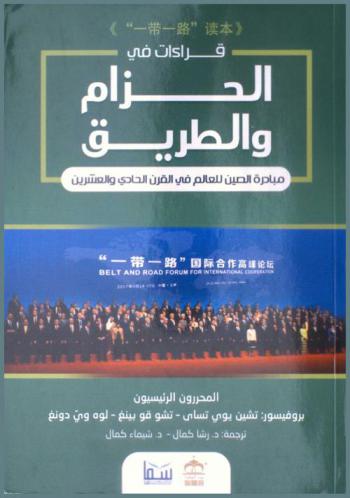
قراءات في الحزام والطريق : مبادرة الصين للعالم في القرن الحادي والعشرين
في العاشر من سبتمبر عام 2013، أعلن الرئيس الصيني شي جين بينغ خلال زيارته لآسيا الوسطى ومنطقة جنوب شرق آسيا، عن المبادرة الكبرى الحزام والطريق \"الحزام الاقتصادي لطريق الحرير وطريق الحرير البحري للقرن الحادي والعشرين\"، لتحظى المبادرة باهتمام كبير على الصعيد الدولي، حيث تعد سياسة استراتيجية دولية كبرى للصين، وقد وضعت بناء على التخطيط الشامل للمشهدين الدولي والمحلي، وتتسم المبادرة باهمية كبيرة، ومغزى بعيد المدى فيما يتعلق بإنشاء آلية اقتصادية ذات طبيعة منفتحة، وتشكيل نمط جديد للانفتاح نحو الخارج بكل الاتجاهات، وفي هذا الكتاب الذي أعده مجموعة من باحثو \"مركز الابتكار التعاوني لمبادرة الحزام والطريق بجامعة تشيجيانغ\"، ليشكفوا عن كل الأسرار المتعلقة بالمبادرة الصينية الكبرى التي قدمتها للعالم في قرنه الحادي والعشرين، وذلك عملا على تعميق معرفة القاريء \"بالحزام والطريق\"، والنشر على مستوى عالمي للمحتوى الثري والمغزى العميق لهذه المبادرة، ويركز أسلوب هذا الكتاب على الشرح والتحليل والمقارنة، فيتطرق إلى الاطر الاستراتيجية للبمادرة وتنافسية الدول الكبرى ومزايا مناطق الصين وربوعها و ثمار التعاون الدولي وغيرها بالتحليل الدقيق، انطلاقا من الموضوعات التي تهم كل مهتم في العالم بمستقبل الصين، وما ستقدمه للعالم.
BOOK

Combined morpho-physiological, ionomic and transcriptomic analyses reveal adaptive responses of allohexaploid wheat (Triticum aestivum L.) to iron deficiency
Background
Plants worldwide are often stressed by low Fe availability around the world, especially in aerobic soils. Therefore, the plant growth, seed yield, and quality of crop species are severely inhibited under Fe deficiency. Fe metabolism in plants is controlled by a series of complex transport, storage, and regulatory mechanisms in cells. Allohexaploid wheat (
Triticum aestivum
L.) is a staple upland crop species that is highly sensitive to low Fe stresses. Although some studies have been previously conducted on the responses of wheat plants to Fe deficiency, the key mechanisms underlying adaptive responses are still unclear in wheat due to its large and complex genome.
Results
Transmission electron microscopy showed that the chloroplast structure was severely damaged under Fe deficiency. Paraffin sectioning revealed that the division rates of meristematic cells were reduced, and the sizes of elongated cells were diminished. ICP-MS-assisted ionmics analysis showed that low-Fe stress significantly limited the absorption of nutrients, including N, P, K, Ca, Mg, Fe, Mn, Cu, Zn, and B nutrients. High-throughput transcriptome sequencing identified 378 and 2,619 genome-wide differentially expressed genes (DEGs) were identified in the shoots and roots between high-Fe and low-Fe conditions, respectively. These DEGs were mainly involved in the Fe chelator biosynthesis, ion transport, photosynthesis, amino acid metabolism, and protein synthesis. Gene coexpression network diagrams indicated that
TaIRT1b-4A
,
TaNAS2-6D
,
TaNAS1a-6A
,
TaNAS1-6B,
and
TaNAAT1b-1D
might function as key regulators in the adaptive responses of wheat plants to Fe deficiency.
Conclusions
These results might help us fully understand the morpho-physiological and molecular responses of wheat plants to low-Fe stress, and provide elite genetic resources for the genetic modification of efficient Fe use.
Journal Article
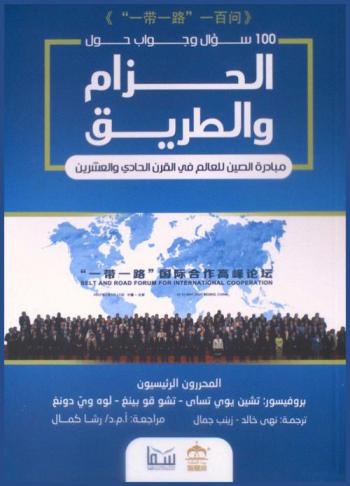
مائة سؤال وجواب حول الحزام والطريق : مبادرة الصين للعالم في القرن الحادي والعشرين
في العاشر من سبتمبر عام 2013، أعلن الرئيس الصيني شي جين بينغ خلال زيارته لآسيا الوسطى ومنطقة جنوب شرق آسيا، عن المبادرة الكبرى الحزام والطريق \"الحزام الاقتصادي لطريق الحرير وطريق الحرير البحري للقرن الحادي والعشرين\"، لتحظى المبادرة باهتمام كبير على الصعيد الدولي، حيث تعد سياسة استراتيجية دولية كبرى للصين، وقد وضعت بناء على التخطيط الشامل للمشهدين الدولي والمحلي، وتتسم المبادرة باهمية كبيرة، ومغزى بعيد المدى فيما يتعلق بإنشاء آلية اقتصادية ذات طبيعة منفتحة، وتشكيل نمط جديد للانفتاح نحو الخارج بكل الاتجاهات، وفي هذا الكتاب الذي أعده مجموعة من باحثو \"مركز الابتكار التعاوني لمبادرة الحزام والطريق بجامعة تشيجيانغ\"، ليشكفوا عن كل الأسرار المتعلقة بالمبادرة الصينية الكبرى التي قدمتها للعالم في قرنه الحادي والعشرين، وذلك عملا على تعميق معرفة القاريء \"بالحزام والطريق\"، والنشر على مستوى عالمي للمحتوى الثري والمغزى العميق لهذه المبادرة، ويعتمد أسلوب هذا الكتاب على السؤال والجواب، انطلاقا من الموضوعات التي تهم كل مهتم في العالم بمستقبل الصين، وما ستقدمه للعالم.
BOOK

Identification of risk factors for supra-therapeutic vancomycin trough levels in ventilator-assisted critical care patients based on integrated modeling and multi-criteria decision analysis
To explore the risk factors influencing vancomycin trough concentration ( C v g − m i n ) overexposure in critically ill patients with mechanical ventilation and rank the factors, the medical records of 194 mechanically ventilated critically ill patients hospitalized from 12/10/2021–06/10/2024 were analyzed. Among 194 critically ill patients, 77.83% were male and 22.17% were female. Univariate analysis showed that oxygenation index (OI), activated partial thromboplastin time (APTT), urea nitrogen (UN), septic shock, heart disease, congestive heart failure (CHF), moderate/severe chronic kidney disease (CKD), etc. were statistically different ( P < 0.05). And APTT, OI, CHF and moderate/severe CKD were statistically different in multivariate logistic regression ( P < 0.05). The receiver operating characteristic (ROC) curve constructed for APTT and OI was 0.7779 (95% CI [0.708,0.848], P < 0.001), with a sensitivity and specificity were 72.99% and 71.93%, respectively. The consistency index ( CI ) and consistency ratio ( CR ) of analytic hierarchy process (AHP) was 0.0796 and 0.0885, respectively, which meets the consistency test standard. The contributions of APTT, OI, CHF and moderate to severe CKD to the overexposure of C v g − m i n were 0.0584, 0.1899, 0.1614 and 0.5902, respectively. The overexposure rates of C v g − m i n in patients with moderate/severe CKD and CHF were 95.12% and 95.23%, respectively. With regard to OI, when the cutoff value of OI was less than 245, the C v g − m i n overexposure rate was 83%, otherwise, the overexposure rate was 60.97%. The risk factors for excessive exposure of C v g − m i n in critically ill patients with mechanical ventilation were ranked as follows: moderate/severe CKD > OI > CHF > APTT.
Journal Article

Global Landscapes of the Na+/H+ Antiporter (NHX) Family Members Uncover their Potential Roles in Regulating the Rapeseed Resistance to Salt Stress
Soil salinity is a main abiotic stress in agriculture worldwide. The Na+/H+ antiporters (NHXs) play pivotal roles in intracellular Na+ excretion and vacuolar Na+ compartmentalization, which are important for plant salt stress resistance (SSR). However, few systematic analyses of NHXs has been reported in allotetraploid rapeseed so far. Here, a total of 18 full-length NHX homologs, representing seven subgroups (NHX1-NHX8 without NHX5), were identified in the rapeseed genome (AnAnCnCn). Number variations of BnaNHXs might indicate their significantly differential roles in the regulation of rapeseed SSR. BnaNHXs were phylogenetically divided into three evolutionary clades, and the members in the same subgroups had similar physiochemical characteristics, gene/protein structures, and conserved Na+ transport motifs. Darwin´s evolutionary pressure analysis suggested that BnaNHXs suffered from strong purifying selection. The cis-element analysis revealed the differential transcriptional regulation of NHXs between the model Arabidopsis and B. napus. Differential expression of BnaNHXs under salt stress, different nitrogen forms (ammonium and nitrate), and low phosphate indicated their potential involvement in the regulation of rapeseed SSR. Global landscapes of BnaNHXs will give an integrated understanding of their family evolution and molecular features, which will provide elite gene resources for the genetic improvement of plant SSR through regulating the NHX-mediated Na+ transport.
Journal Article

The exopolysaccharide–eDNA interaction modulates 3D architecture of Bacillus subtilis biofilm
Background
Bacterial biofilms are surface-adherent microbial communities in which individual cells are surrounded by a self-produced extracellular matrix of polysaccharides, extracellular DNA (eDNA) and proteins. Interactions among matrix components within biofilms are responsible for creating an adaptable structure during biofilm development. However, it is unclear how the interactions among matrix components contribute to the construction of the three-dimensional (3D) biofilm architecture.
Results
DNase I treatment significantly inhibited
Bacillus subtilis
biofilm formation in the early phases of biofilm development. Confocal laser scanning microscopy (CLSM) and image analysis revealed that eDNA was cooperative with exopolysaccharide (EPS) in the early stages of
B. subtilis
biofilm development, while EPS played a major structural role in the later stages. In addition, deletion of the EPS production gene
epsG
in
B. subtilis
SBE1 resulted in loss of the interaction between EPS and eDNA and reduced the biofilm biomass in pellicles at the air-liquid interface. The physical interaction between these two essential biofilm matrix components was confirmed by isothermal titration calorimetry (ITC).
Conclusions
Biofilm 3D structures become interconnected through surrounding eDNA and EPS. eDNA interacts with EPS in the early phases of biofilm development, while EPS mainly participates in the maturation of biofilms. The findings of this study provide a better understanding of the role of the interaction between eDNA and EPS in shaping the biofilm 3D matrix structure and biofilm formation.
Journal Article

Visualizing the evolution from the Mott insulator to a charge-ordered insulator in lightly doped cuprates
A scanning tunnelling spectroscopy study focuses on the lightly doped region of the phase diagram of a cuprate superconductor to reveal the microscopic evolution of a high-temperature superconductor from a charge-ordered insulator.
High-temperature superconductivity in the cuprates is widely believed to originate from an antiferromagnetic parent Mott insulator when doped with charge carriers
1
. In terms of the electronic structure, the key question is how the large charge transfer gap evolves into the pseudogap and then the
d
-wave superconducting gap
2
,
3
,
4
,
5
. However, whether superconductivity or some other symmetry-breaking state (such as charge or spin orders) emerges first on doping a Mott insulator is debatable. To address these issues, here we use scanning tunnelling microscopy to investigate the local electronic structure of lightly doped cuprates in the antiferromagnetic insulating regime. We show that the doped charge induces a spectral weight transfer from the high-energy Hubbard bands to low-energy states within the charge transfer gap. With increasing doping, a V-shaped density-of-state suppression reminiscent of the pseudogap occurs at the Fermi level, which is accompanied by the emergence of chequerboard charge order. Our data suggest that the cuprates first become a charge-ordered insulator on doping, and the Fermi surface and high-temperature superconductivity becomes manifest on further doping.
Journal Article
Genome-wide identification of the amino acid permease genes and molecular characterization of their transcriptional responses to various nutrient stresses in allotetraploid rapeseed
Background
Nitrogen (N), referred to as a “life element”, is a macronutrient essential for optimal plant growth and yield production.
Amino acid (AA) permease
(
AAP
) genes play pivotal roles in root import, long-distance translocation, remobilization of organic amide-N from source organs to sinks, and other environmental stress responses. However, few systematic analyses of
AAPs
have been reported in
Brassica napus
so far.
Results
In this study, we identified a total of 34 full-length
AAP
genes representing eight subgroups (
AAP1–8
) from the allotetraploid rapeseed genome (A
n
A
n
C
n
C
n
, 2
n
= 4
x
= 38). Great differences in the homolog number among the
BnaAAP
subgroups might indicate their significant differential roles in the growth and development of rapeseed plants. The
BnaAAPs
were phylogenetically divided into three evolutionary clades, and the members in the same subgroups had similar physiochemical characteristics, gene/protein structures, and conserved AA transport motifs. Darwin’s evolutionary analysis suggested that
BnaAAPs
were subjected to strong purifying selection pressure.
Cis
-element analysis showed potential differential transcriptional regulation of
AAPs
between the model Arabidopsis and
B. napus
. Differential expression of
BnaAAPs
under nitrate limitation, ammonium excess, phosphate shortage, boron deficiency, cadmium toxicity, and salt stress conditions indicated their potential involvement in diverse nutrient stress responses.
Conclusions
The genome-wide identification of
BnaAAPs
will provide a comprehensive insight into their family evolution and AAP-mediated AA transport under diverse abiotic stresses. The molecular characterization of core
AAPs
can provide elite gene resources and contribute to the genetic improvement of crop stress resistance through the modulation of AA transport.
Journal Article
Genome-wide identification of Brassicaceae B-BOX genes and molecular characterization of their transcriptional responses to various nutrient stresses in allotetraploid rapeseed
Background
B-box
(
BBX
) genes play important roles in plant growth regulation and responses to abiotic stresses. The plant growth and yield production of allotetraploid rapeseed is usually hindered by diverse nutrient stresses. However, no systematic analysis of Brassicaceae
BBXs
and the roles of
BBXs
in the regulation of nutrient stress responses have not been identified and characterized previously.
Results
In this study, a total of 536
BBXs
were identified from nine brassicaceae species, including 32
AtBBXs
, 66
BnaBBXs
, 41
BoBBXs
, 43
BrBBXs
, 26
CrBBXs
, 81
CsBBXs
, 52
BnBBXs
, 93
BjBBXs
, and 102
BcBBXs
. Syntenic analysis showed that great differences in the gene number of Brassicaceae
BBXs
might be caused by genome duplication. The
BBXs
were respectively divided into five subclasses according to their phylogenetic relationships and conserved domains, indicating their diversified functions. Promoter
cis
-element analysis showed that
BBXs
probably participated in diverse stress responses. Protein-protein interactions between BnaBBXs indicated their functions in flower induction. The expression profiles of
BnaBBXs
were investigated in rapeseed plants under boron deficiency, boron toxicity, nitrate limitation, phosphate shortage, potassium starvation, ammonium excess, cadmium toxicity, and salt stress conditions using RNA-seq data. The results showed that different
BnaBBXs
showed differential transcriptional responses to nutrient stresses, and some of them were simultaneously responsive to diverse nutrient stresses.
Conclusions
Taken together, the findings investigated in this study provided rich resources for studying Brassicaceae
BBX
gene family and enriched potential clues in the genetic improvement of crop stress resistance.
Journal Article

The controlling role of geological structures in rock slope failure mechanisms in fold-and-thrust belts; an example from the Ergetu open-pit coal mine, China
Slope instability is one of the most significant safety hazards in open-pit mining production. Since May 2023, obvious signs of deformation and damage have been observed on the western pit slope of the Ergetu Open-Pit Coal Mine in Ordos City, Inner Mongolia, China. This study comprehensively employed geological structure exploration and numerical simulation methods to elucidate the deformation evolution process of the western pit slope of the Ergetu Open-Pit Coal Mine and aims to reveal the sliding control mechanisms of the geological structures. By combining a field investigation with unmanned aerial vehicle (UAV) photogrammetry techniques, interpretation work was conducted on the surface exposure of the geological structures in the study area. The sample window method was subsequently used to understand the development of the rock mass structural planes within the slope, and the physical and mechanical parameters of the slope rock mass were determined based on the geological strength index (GSI) and rock mass classification system. In addition, the integration of drilling and geophysical techniques formed a comprehensive technical framework for detecting the internal structure of the slope rock mass, revealing that the stability of the western pit slope of the Ergetu Open-Pit Coal Mine is controlled by the structure of the locked segment against the background of the fold-and-thrust belts. Finally, a structural model of the slope rock mass was constructed based on discrete fracture network (DFN) technology. The initiation-instability processes of the western pit slope were simulated using the discrete element software 3DEC, which showed the controlling role of geological structures in the initiation and movement process of rock slope failure. The comprehensive detection technology framework and controlling sliding mechanism of the geological structure proposed in this study can provide a reference for the prevention and control of similar locked-segment landslides.
Journal Article