
Catalogue Search | MBRL


Are you sure you want to remove the book from the shelf?

{{itemTitle}}
1,879
result(s) for
"Campbell, Bill"
Sort by:


International society of sports nutrition position stand: caffeine and exercise performance
Following critical evaluation of the available literature to date, The International Society of Sports Nutrition (ISSN) position regarding caffeine intake is as follows:
Supplementation with caffeine has been shown to acutely enhance various aspects of exercise performance in many but not all studies. Small to moderate benefits of caffeine use include, but are not limited to: muscular endurance, movement velocity and muscular strength, sprinting, jumping, and throwing performance, as well as a wide range of aerobic and anaerobic sport-specific actions.
Aerobic endurance appears to be the form of exercise with the most consistent moderate-to-large benefits from caffeine use, although the magnitude of its effects differs between individuals.
Caffeine has consistently been shown to improve exercise performance when consumed in doses of 3–6 mg/kg body mass. Minimal effective doses of caffeine currently remain unclear but they may be as low as 2 mg/kg body mass. Very high doses of caffeine (e.g. 9 mg/kg) are associated with a high incidence of side-effects and do not seem to be required to elicit an ergogenic effect.
The most commonly used timing of caffeine supplementation is 60 min pre-exercise. Optimal timing of caffeine ingestion likely depends on the source of caffeine. For example, as compared to caffeine capsules, caffeine chewing gums may require a shorter waiting time from consumption to the start of the exercise session.
Caffeine appears to improve physical performance in both trained and untrained individuals.
Inter-individual differences in sport and exercise performance as well as adverse effects on sleep or feelings of anxiety following caffeine ingestion may be attributed to genetic variation associated with caffeine metabolism, and physical and psychological response. Other factors such as habitual caffeine intake also may play a role in between-individual response variation.
Caffeine has been shown to be ergogenic for cognitive function, including attention and vigilance, in most individuals.
Caffeine may improve cognitive and physical performance in some individuals under conditions of sleep deprivation.
The use of caffeine in conjunction with endurance exercise in the heat and at altitude is well supported when dosages range from 3 to 6 mg/kg and 4–6 mg/kg, respectively.
Alternative sources of caffeine such as caffeinated chewing gum, mouth rinses, energy gels and chews have been shown to improve performance, primarily in aerobic exercise.
Energy drinks and pre-workout supplements containing caffeine have been demonstrated to enhance both anaerobic and aerobic performance.
Journal Article


Australia's engagement with the International Court of Justice: Practical and political factors
While much has been written on the legal issues raised in cases involving Australia at the International Court of Justice ('ICJ'), the politics behind decisions to appear before the Court, the organisation of Australia's arguments and its style of case management have attracted much less attention. This article, written by a former government international lawyer who appeared as agent and counsel for Australia before the ICJ, describes both the political decisions behind, and the practical organisation of, Australia's encounters with the ICJ, focusing on the 'Whaling in the Antarctic' case. It explains the way that cases develop and the way that the executive branch of government engages with them, all in the context of Australia's approach to international dispute settlement more generally. It concludes that Australia's approach to international dispute settlement is highly effective, including in its conduct of cases before the ICJ.
Journal Article

International society of sports nutrition position stand: energy drinks and energy shots
Position Statement: The
(ISSN) bases the following position stand on a critical analysis of the literature regarding the effects of energy drink (ED) or energy shot (ES) consumption on acute exercise performance, metabolism, and cognition, along with synergistic exercise-related performance outcomes and training adaptations. The following 13 points constitute the consensus of the Society and have been approved by the Research Committee of the Society: Energy drinks (ED) commonly contain caffeine, taurine, ginseng, guarana, carnitine, choline, B vitamins (vitamins B1, B2, B3, B5, B6, B9, and B12), vitamin C, vitamin A (beta carotene), vitamin D, electrolytes (sodium, potassium, magnesium, and calcium), sugars (nutritive and non-nutritive sweeteners), tyrosine, and L-theanine, with prevalence for each ingredient ranging from 1.3 to 100%. Energy drinks can enhance acute aerobic exercise performance, largely influenced by the amount of caffeine (> 200 mg or >3 mg∙kg bodyweight [BW
]) in the beverage. Although ED and ES contain several nutrients that are purported to affect mental and/or physical performance, the primary ergogenic nutrients in most ED and ES based on scientific evidence appear to be caffeine and/or the carbohydrate provision. The ergogenic value of caffeine on mental and physical performance has been well-established, but the potential additive benefits of other nutrients contained in ED and ES remains to be determined. Consuming ED and ES 10-60 minutes before exercise can improve mental focus, alertness, anaerobic performance, and/or endurance performance with doses >3 mg∙kg BW
. Consuming ED and ES containing at least 3 mg∙kg BW
caffeine is most likely to benefit maximal lower-body power production. Consuming ED and ES can improve endurance, repeat sprint performance, and sport-specific tasks in the context of team sports. Many ED and ES contain numerous ingredients that either have not been studied or evaluated in combination with other nutrients contained in the ED or ES. For this reason, these products need to be studied to demonstrate efficacy of single- and multi-nutrient formulations for physical and cognitive performance as well as for safety. Limited evidence is available to suggest that consumption of low-calorie ED and ES during training and/or weight loss trials may provide ergogenic benefit and/or promote additional weight control, potentially through enhanced training capacity. However, ingestion of higher calorie ED may promote weight gain if the energy intake from consumption of ED is not carefully considered as part of the total daily energy intake. Individuals should consider the impact of regular coingestion of high glycemic index carbohydrates from ED and ES on metabolic health, blood glucose, and insulin levels. Adolescents (aged 12 through 18) should exercise caution and seek parental guidance when considering the consumption of ED and ES, particularly in excessive amounts (e.g. > 400 mg), as limited evidence is available regarding the safety of these products among this population. Additionally, ED and ES are not recommended for children (aged 2-12), those who are pregnant, trying to become pregnant, or breastfeeding and those who are sensitive to caffeine. Diabetics and individuals with preexisting cardiovascular, metabolic, hepatorenal, and/or neurologic disease who are taking medications that may be affected by high glycemic load foods, caffeine, and/or other stimulants should exercise caution and consult with their physician prior to consuming ED. The decision to consume ED or ES should be based upon the beverage's content of carbohydrate, caffeine, and other nutrients and a thorough understanding of the potential side effects. Indiscriminate use of ED or ES, especially if multiple servings per day are consumed or when consumed with other caffeinated beverages and/or foods, may lead to adverse effects. The purpose of this review is to provide an update to the position stand of the
(ISSN) integrating current literature on ED and ES in exercise, sport, and medicine. The effects of consuming these beverages on acute exercise performance, metabolism, markers of clinical health, and cognition are addressed, as well as more chronic effects when evaluating ED/ES use with exercise-related training adaptions.
Journal Article

International society of sports nutrition position stand: coffee and sports performance
Based on review and critical analysis of the literature regarding the contents and physiological effects of coffee related to physical and cognitive performance conducted by experts in the field and selected members of the International Society of Sports Nutrition (ISSN), the following conclusions represent the official Position of the Society:(1) Coffee is a complex matrix of hundreds of compounds. These are consumed with broad variability based upon serving size, bean type (e.g. common Arabica vs. Robusta), and brew method (water temperature, roasting method, grind size, time, and equipment).(2) Coffee's constituents, including but not limited to caffeine, have neuromuscular, antioxidant, endocrine, cognitive, and metabolic (e.g. glucose disposal and vasodilation) effects that impact exercise performance and recovery.(3) Coffee's physiologic effects are influenced by dose, timing, habituation to a small degree (to coffee or caffeine), nutrigenetics, and potentially by gut microbiota differences, sex, and training status.(4) Coffee and/or its components improve performance across a temporal range of activities from reaction time, through brief power exercises, and into the aerobic time frame in most but not all studies. These broad and varied effects have been demonstrated in men (mostly) and in women, with effects that can differ from caffeine ingestion, per se. More research is needed.(5) Optimal dosing and timing are approximately two to four cups (approximately 473-946 ml or 16-32 oz.) of typical hot-brewed or reconstituted instant coffee (depending on individual sensitivity and body size), providing a caffeine equivalent of 3-6 mg/kg (among other components such as chlorogenic acids at approximately 100-400 mg per cup) 60 min prior to exercise.(6) Coffee has a history of controversy regarding side effects but is generally considered safe and beneficial for healthy, exercising individuals in the dose range above.(7) Coffee can serve as a vehicle for other dietary supplements, and it can interact with nutrients in other foods.(8) A dearth of literature exists examining coffee-specific ergogenic and recovery effects, as well as variability in the operational definition of \"coffee,\" making conclusions more challenging than when examining caffeine in its many other forms of delivery (capsules, energy drinks, \"pre-workout\" powders, gum, etc.).
Journal Article
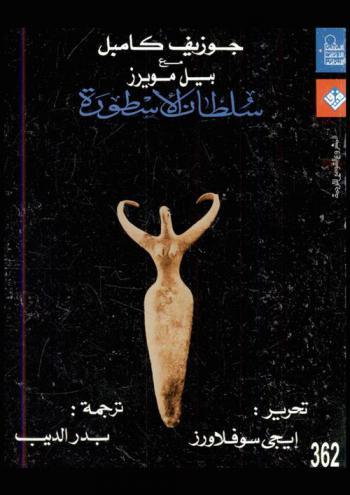
سلطان الأسطورة
لقد رتب هذا الكتاب في حوارات بسيطه سهله ولكنها ثقيلة العيار في الفكر والروح ومع ذلك فقد اشتمل الكتاب في صفحاته الأولى على مقدمه للتعريف بالكاتب وقائمة بأعماله الأساسية وتعريفا بالصحفي المحاور ؛ مما لا يحتاج إلى مزيد من الإيضاح إن جوزيف كامبل هو المسئول الأول والأخير عن ترتيب حوارات الكتاب الثمانية، كما أنه مسئول عن اختيار موضوعاتها وذلك على الرغم من أن هذا القول لم يسجل في مقدمة الكتاب ولم يصدر مباشرة عن كامبل نفسه.
Book
International society of sports nutrition position stand: tactical athlete nutrition
This position stand aims to provide an evidence-based summary of the energy and nutritional demands of tactical athletes to promote optimal health and performance while keeping in mind the unique challenges faced due to work schedules, job demands, and austere environments. After a critical analysis of the literature, the following nutritional guidelines represent the position of the International Society of Sports Nutrition (ISSN).
Nutritional considerations should include the provision and timing of adequate calories, macronutrients, and fluid to meet daily needs as well as strategic nutritional supplementation to improve physical, cognitive, and occupational performance outcomes; reduce risk of injury, obesity, and cardiometabolic disease; reduce the potential for a fatal mistake; and promote occupational readiness.
Energy demands should be met by utilizing the Military Dietary Reference Intakes (MDRIs) established and codified in Army Regulation 40-25. Although research is somewhat limited, military personnel may also benefit from caffeine, creatine monohydrate, essential amino acids, protein, omega-3-fatty acids, beta-alanine, and L-tyrosine supplementation, especially during high-stress conditions.
Specific energy needs are unknown and may vary depending on occupation-specific tasks. It is likely the general caloric intake and macronutrient guidelines for recreational athletes or the Acceptable Macronutrient Distribution Ranges for the general healthy adult population may benefit first responders. Strategies such as implementing wellness policies, setting up supportive food environments, encouraging healthier food systems, and using community resources to offer evidence-based nutrition classes are inexpensive and potentially meaningful ways to improve physical activity and diet habits. The following provides a more detailed overview of the literature and recommendations for these populations.
Journal Article