
Catalogue Search | MBRL


Are you sure you want to remove the book from the shelf?

{{itemTitle}}
2,978
result(s) for
"Cao, Gang"
Sort by:
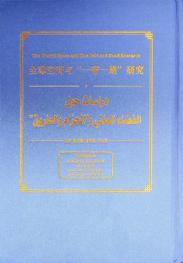
دراسات حول الفضاء العالمي و\الحزام والطريق\ : (مجلد الموانئ البحرية)
ينقسم الكتاب إلى خمسة فصول، يقدم الفصل الأول نظام الموانئ العالمي والعلاقات بين المدن الساحلية والتعاون في مجال الموانئ، ويناقش الفصل الثاني الخدمات اللوجستية البحرية العالمية وتطوير لوجستيات الموانئ الرئيسية، ويتناول الفصل الثالث نظام الموانئ في الصين وخصائصه. الاستجابة العالمية: يحلل الفصل الرابع بشكل رئيسي مؤشر البلطيق، وهو مؤشر تقييم مراكز الشحن الدولية، ويناقش الفصل الخامس نمط الموانئ العالمية وتغيرات النظام وتطور النقل البحري بناءً على منظور عالمي.
BOOK

Frontiers of 4d-and 5d-transition metal oxides
This book is aimed at advanced undergraduates, graduate students and other researchers who possess an introductory background in materials physics and/or chemistry, and an interest in the physical and chemical properties of novel materials, especially transition metal oxides.
New materials often exhibit novel phenomena of great fundamental and technological importance. Contributing authors review the structural, physical and chemical properties of notable 4d- and 5d-transition metal oxides discovered over the last 10 years. These materials exhibit extraordinary physical properties that differ significantly from those of the heavily studied 3d-transition metal oxides, mainly due to the relatively strong influence of the spin-orbit interaction and orbital order in 4d- and 5d materials. The immense growth in publications addressing the physical properties of these novel materials underlines the need to document recent advances and the current state of this field. This book includes overviews of the current experimental situation concerning these materials.
eBook

Traditional application and modern pharmacological research of Eucommia ulmoides Oliv
As a Traditional Chinese Medicine,
Eucommia ulmoides Oliv.
has been used for the treatment of various diseases since ancient times, involving lumbar pain, knee pain, osteoporosis, hepatoprotection, paralysis, intestinal haemorrhoids, vaginal bleeding, abortion, spermatorrhoea, foot fungus, anti-aging etc. With the developing discovery of
E. ulmoides
extracts and its active components in various pharmacological activities,
E. ulmoides
has gained more and more attention. Up to now,
E. ulmoides
has been revealed to show remarkable therapeutic effects on hypertension, hyperglycemia, diabetes, obesity, osteoporosis, Parkinson’s disease, Alzheimer’s disease, sexual dysfunction.
E. ulmoides
has also been reported to possess antioxidant, anti-inflammatory, neuroprotective, anti-fatigue, anti-aging, anti-cancer and immunoregulation activities etc. Along these lines, this review summarizes the traditional application and modern pharmacological research of
E. ulmoides
, providing novel insights of
E. ulmoides
in the treatment of various diseases.
Journal Article

Adenine-induced animal model of chronic kidney disease: current applications and future perspectives
Chronic kidney disease (CKD) with high morbidity and mortality all over the world is characterized by decreased kidney function, a condition which can result from numerous risk factors, including diabetes, hypertension and obesity. Despite significant advances in our understanding of the pathogenesis of CKD, there are still no treatments that can effectively combat CKD, which underscores the urgent need for further study into the pathological mechanisms underlying this condition. In this regard, animal models of CKD are indispensable. This article reviews a widely used animal model of CKD, which is induced by adenine. While a physiologic dose of adenine is beneficial in terms of biological activity, a high dose of adenine is known to induce renal disease in the organism. Following a brief description of the procedure for disease induction by adenine, major mechanisms of adenine-induced CKD are then reviewed, including inflammation, oxidative stress, programmed cell death, metabolic disorders, and fibrillation. Finally, the application and future perspective of this adenine-induced CKD model as a platform for testing the efficacy of a variety of therapeutic approaches is also discussed. Given the simplicity and reproducibility of this animal model, it remains a valuable tool for studying the pathological mechanisms of CKD and identifying therapeutic targets to fight CKD.
Journal Article

Ultrafast coherent control of a hole spin qubit in a germanium quantum dot
Operation speed and coherence time are two core measures for the viability of a qubit. Strong spin-orbit interaction (SOI) and relatively weak hyperfine interaction make holes in germanium (Ge) intriguing candidates for spin qubits with rapid, all-electrical coherent control. Here we report ultrafast single-spin manipulation in a hole-based double quantum dot in a germanium hut wire (GHW). Mediated by the strong SOI, a Rabi frequency exceeding 540 MHz is observed at a magnetic field of 100 mT, setting a record for ultrafast spin qubit control in semiconductor systems. We demonstrate that the strong SOI of heavy holes (HHs) in our GHW, characterized by a very short spin-orbit length of 1.5 nm, enables the rapid gate operations we accomplish. Our results demonstrate the potential of ultrafast coherent control of hole spin qubits to meet the requirement of DiVincenzo’s criteria for a scalable quantum information processor.
Hole-spin qubits in germanium are promising candidates for rapid, all-electrical qubit control. Here the authors report Rabi oscillations with the record frequency of 540 MHz in a hole-based double quantum dot in a germanium hut wire, which is attributed to strong spin-orbit interaction of heavy holes.
Journal Article

Intralesional injection of adipose-derived stem cells reduces hypertrophic scarring in a rabbit ear model
Introduction
Redundant collagen deposition at sites of healing dermal wounds results in hypertrophic scars. Adipose-derived stem cells (ADSCs) exhibit promise in a variety of anti-fibrosis applications by attenuating collagen deposition. The objective of this study was to explore the influence of an intralesional injection of ADSCs on hypertrophic scar formation by using an established rabbit ear model.
Methods
Twelve New Zealand albino rabbits were equally divided into three groups, and six identical punch defects were made on each ear. On postoperative day 14 when all wounds were completely re-epithelialized, the first group received an intralesional injection of ADSCs on their right ears and Dulbecco’s modified Eagle’s medium (DMEM) on their left ears as an internal control. Rabbits in the second group were injected with conditioned medium of the ADSCs (ADSCs-CM) on their right ears and DMEM on their left ears as an internal control. Right ears of the third group remained untreated, and left ears received DMEM. We quantified scar hypertrophy by measuring the scar elevation index (SEI) on postoperative days 14, 21, 28, and 35 with ultrasonography. Wounds were harvested 35 days later for histomorphometric and gene expression analysis.
Results
Intralesional injections of ADSCs or ADSCs-CM both led to scars with a far more normal appearance and significantly decreased SEI (44.04 % and 32.48 %, respectively, both
P
<0.01) in the rabbit ears compared with their internal controls. Furthermore, we confirmed that collagen was organized more regularly and that there was a decreased expression of alpha-smooth muscle actin (α-SMA) and collagen type Ι in the ADSC- and ADSCs-CM-injected scars according to histomorphometric and real-time quantitative polymerase chain reaction analysis. There was no difference between DMEM-injected and untreated scars.
Conclusions
An intralesional injection of ADSCs reduces the formation of rabbit ear hypertrophic scars by decreasing the α-SMA and collagen type Ι gene expression and ameliorating collagen deposition and this may result in an effective and innovative anti-scarring therapy.
Journal Article
Characterization of PIK3CA and PIK3R1 somatic mutations in Chinese breast cancer patients
Deregulation of the phosphoinositide 3-kinase (PI3K) pathway contributes to the development and progression of tumors. Here, we determine that somatic mutations in
PIK3CA
(44%),
PIK3R1
(17%),
AKT3
(15%), and
PTEN
(12%) are prevalent and diverse in Chinese breast cancer patients, with 60 novel mutations identified. A high proportion of tumors harbors multiple mutations, especially
PIK3CA
plus
PIK3R1
mutations (9.0%). Next, we develop a recombination-based mutation barcoding (ReMB) library for impactful mutations conferring clonal advantage in proliferation and drug responses. The highest-ranking
PIK3CA
and
PIK3R1
mutations include previously reported deleterious mutations, as well as mutations with unknown significance. These
PIK3CA
and
PIK3R1
impactful mutations exhibit a mutually exclusive pattern, leading to oncogenesis and hyperactivity of PI3K pathway. The
PIK3CA
impactful mutations are tightly associated with hormone receptor positivity. Collectively, these findings advance our understanding of PI3K impactful mutations in breast cancer and have important implications for PI3K-targeted therapy in precision oncology.
The PI3K pathway is altered across various cancer types. Here the authors use amplicon exon sequencing to analyze the landscape of somatic mutations affecting the PI3K pathway specifically in breast cancer patients in China.
Journal Article

Sources and oxidative potential of water-soluble humic-like substances (HULIS WS ) in fine particulate matter (PM 2.5 ) in Beijing
Water-soluble humic-like substances (HULISWS) are a
major redox-active component of ambient fine particulate matter
(PM2.5); however, information on their sources and associated redox
activity is limited. In this study, HULISWS mass concentration, various
HULISWS species, and dithiothreitol (DTT) activity of HULISWS were
quantified in PM2.5 samples collected during a 1-year period in
Beijing. Strong correlation was observed between HULISWS and DTT
activity; both exhibited higher levels during the heating season than during
the nonheating season. Positive matrix factorization analysis of both
HULISWS and DTT activity was performed. Four combustion-related
sources, namely coal combustion, biomass burning, waste incineration, and
vehicle exhausts, and one secondary factor were resolved. In particular,
waste incineration was identified as a source of HULISWS for the first
time. Biomass burning and secondary aerosol formation were the major
contributors (> 59 %) to both HULISWS and associated DTT
activity throughout the year. During the nonheating season, secondary
aerosol formation was the most important source, whereas during the heating
season, the predominant contributor was biomass burning. The four
combustion-related sources accounted for > 70 % of HULISWS
and DTT activity, implying that future reduction in PM2.5 emissions
from combustion activities can substantially reduce the HULISWS burden
and their potential health impact in Beijing.
Journal Article

CoolBox: a flexible toolkit for visual analysis of genomics data
Background
Data visualization, especially the genome track plots, is crucial for genomics researchers to discover patterns in large-scale sequencing dataset. Although existing tools works well for producing a normal view of the input data, they are not convenient when users want to create customized data representations. Such gap between the visualization and data processing, prevents the users to uncover more hidden structure of the dataset.
Results
We developed CoolBox—an open-source toolkit for visual analysis of genomics data. This user-friendly toolkit is highly compatible with the Python ecosystem and customizable with a well-designed user interface. It can be used in various visualization situations like a Swiss army knife. For example, to produce high-quality genome track plots or fetch commonly used genomic data files with a Python script or command line, to explore genomic data interactively within Jupyter environment or web browser. Moreover, owing to the highly extensible Application Programming Interface design, users can customize their own tracks without difficulty, which greatly facilitate analytical, comparative genomic data visualization tasks.
Conclusions
CoolBox allows users to produce high-quality visualization plots and explore their data in a flexible, programmable and user-friendly way.
Journal Article

Effects of continuous biochar application on soil chemical properties and tomato yield and quality in an arched shed
Biochar is a promising soil amendment, but its long-term consecutive effects on greenhouse tomato systems are insufficiently explored. To investigate the dynamic and accumulative effects of consecutive biochar application on soil chemical properties and tomato ( Solanum lycopersicum L.) yield and quality, a three-year arched shed field experiment was conducted with five biochar rates: 0 (CK), 0.5 (T1), 1.0 (T2), 2.0 (T3), and 4.0 (T4) kg·m - ². Soil chemical properties, tomato growth, yield components, and fruit quality were analyzed. Results showed biochar slightly increased soil electrical conductivity (all below salinization threshold); only T4 significantly raised soil pH (by 0.4 units) and organic matter (by 132.8%) vs . CK. Annual differences in soil available potassium diminished to non-significance, while available phosphorus was 50.8% (T2) and 63.0% (T3) higher than CK. Tomato plant height and dry matter increased with biochar rate; T1-T4 improved fruits per plant (2.0%-17.0%) and single fruit weight (7.0%-16.0%) over CK, with T2 (13.7%-24.1%) and T3 (19.8%-33.2%) achieving the highest significant yield increases. For quality, T2 had the highest comprehensive index, followed by T1 and T3, with their three-year average scores up by 33.1%, 15.4%, and 15.4% respectively. In conclusion, 1.0-2.0 kg·m - ² biochar optimally enhanced tomato yield and nutritional/organoleptic quality, with no significant interannual cumulative effects of biochar rate on yield or quality—providing theoretical and technical support for high-quality greenhouse tomato production.
Journal Article