
Catalogue Search | MBRL


Are you sure you want to remove the book from the shelf?

{{itemTitle}}
34
result(s) for
"Cattanach, Ann"
Sort by:
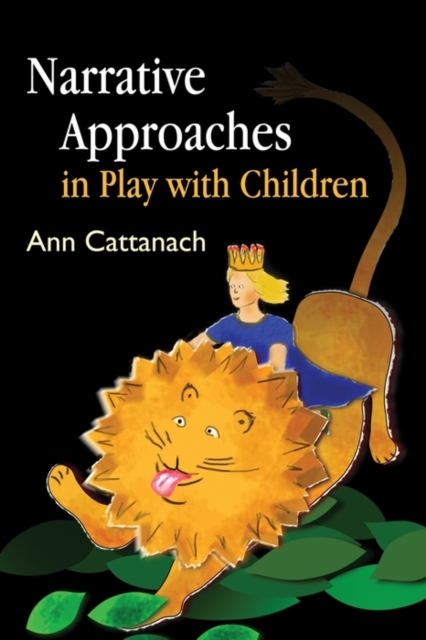
Narrative approaches in play with children
Narrative play is a way of communicating with children using imaginative stories and narratives to share and make sense of life events. This book describes using narrative play therapeutically with children who have lived in multiple families, children who have problems with social understanding and children who have learning difficulties. Ann Cattanach explains how children's stories and narratives, whether they are about real or imagined events, can be interpreted as indicators of their experiences, their ideas, and a dimension of who they are. She demonstrates this with examples of children's stories from her clinical experience, and provides narrative play techniques and sample scripts both for therapists and for parents whose circumstances require a therapeutic parenting approach. This book is essential reading for play therapists, social workers and other professionals working with children, as well as parents and carers of children who are experiencing social and/or learning difficulties.
eBook
Introduction to Play Therapy
Play therapy is a popular and important intervention for many children with psychological problems and traumatic life experiences. Written by a renowned expert in the field, Introduction to Play Therapy provides a basic grounding in play therapy intervention, answering questions such as:
Who can play therapy help?
What are the best settings for play therapy?
How should you train in play therapy?
A variety of models of working with play are explored, and an evaluation of the meaning of childhood is discussed in clear language, illustrated with clinical examples.
This book will help adults who communicate with children in any role, be they parents, teachers or therapists.
eBook
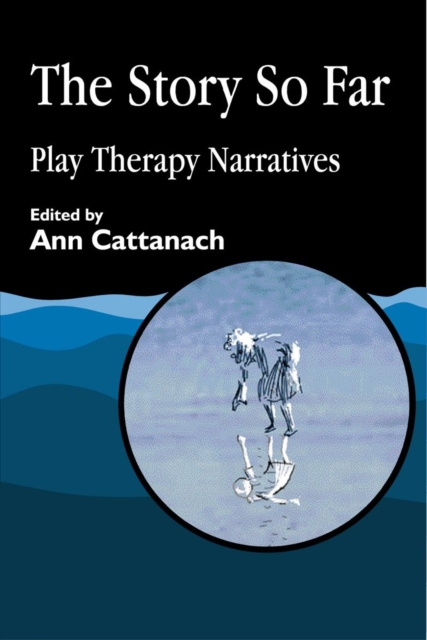
The story so far : play therapy narratives
Identity is formed through the narration of experience, and children who experience difficult life events may need help in forming and expressing their own narratives. Play therapy can be a very appropriate way of facilitating this kind of expression. This book describes the work of nine play therapists through the narratives of children - and some adults - whose stories emerge during their play therapy sessions. These stories are not direct accounts of real happenings but are imaginative, metaphorical, complex and multi-layered. The life events they relate to include fostering, long-term illness, and the traumatic death of a close adult. One chapter examines attachment in families and another describes the Biography Laboratory project exploring story creation through action research. This is a book in which professionals from many disciplines will find much to further their understanding of children's experiences and understanding of the world.
eBook

Malpas the Dragon
This beautifully illustrated children's book is about loss and survival. It will be enjoyed by children and adults alike, and is ideal for parents and professionals to read with children who find it hard to love and be loved.
eBook
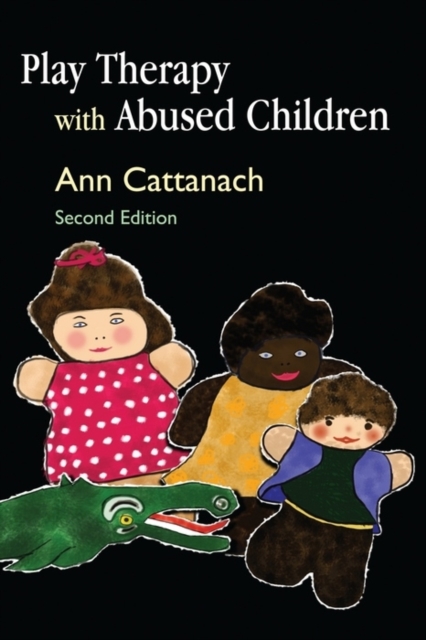
Play therapy with abused children
Praise for the first edition:'Ann Cattanach writes with enormous empathy and warmth, and with a refreshing lack of sentimentality... [This] is an unpretentious and optimistic book, and a very positive addition to recent publications.'- British Association of Play Therapists'I would recommend the book to anyone working in this field. This is a well presented, clear and easy-to-read book, providing a balanced mixture of factual information and case material.' - British Journal of Occupational Therapy'What impressed me so much about this work was Cattanach's knowledge of children and their inherent strengths as well as their vulnerabilities. This practical and easy to apply book is recommended for anyone who works with abused children and would like further insight as well as practical and informative advice on healing the traumatized child.'- Trauma and Loss: Research and Interventions'Her accounts of the way in which play is used to make sense of traumatic experiences are full of insight and often moving. All aspects of the work are covered. This is an exceptional volume - goes far beyond a mere text book.' - Therapy WeeklyThis second edition of Ann Cattanach's highly commended book explores the use of play therapy with abused children as a way of helping them heal their distress and make sense of their experiences through expanding their own creativity in play.The book provides practical ways of starting play therapy with abused children and explains how the child can use this process for healing. Models of intervention are described with consideration given to the particular needs of the child and the work setting of the therapist. Suggestions include short and medium term interventions, individual/group and sibling work. This edition provides new case study material, up-to-date information on relevant legislation on children's rights and welfare and recent developments in research in the field.This book is essential reading for professionals working with abused children, as well as those interested in the use of creative therapies.
eBook

Play Therapy with Abused Children
This second edition explores the use of play therapy with abused children as a way of helping them heal their distress and make sense of their experiences through expanding their own creativity in play. The book provides practical ways of starting play therapy with abused children and explains how the child can use this process for healing.
eBook
Process in the arts therapies
The multiplicity of levels at which process operates for art therapists is the theme of this book. What happens during a therapy session is examined, as are the client's response, which is experienced through the medium of the art form itself, and the evolution of the relationship between therapist and client.
eBook
The Handbook of Dramatherapy
Dramatherapy is being increasingly practised in a range of therapeutic settings and is of growing interest to theatre practitioners and teachers. The Handbook of Dramatherapy brings together five authors who have considerable experience of clinical, artistic and educational work to provide an easy-to-read introduction to the major models of dramatherapy. The authors explain the differences between dramatherapy and psychodrama, discuss its relationship with theatre art, look at assessment and evaluation techniques, and argue the need for more appropriate methods of research for this increasingly popular form of therapeutic treatment. The Handbook of Dramatherapy provides a comprehensive basis for theory and practice and will be an invaluable resource for all students of dramatherapy and theatre.
Prologue 1. Historical Background and overview of dramatherapy 2. The developmental mode of dramatherapy 3. The theatre of self-expression 4. An integrated model of dramatherapy and its application with adults with learning disabilities 5. A role model of dramatherapy and its application with individuals and groups 6. The theatre of healing 7. Dramatherapy and psychodrama 8. Dramatic play with children 9. The dramatherapy venture project 10. What is dramatherapy? 11. Evaluation and assessment in dramatherapy; Epilogue.
eBook