
Catalogue Search | MBRL


Are you sure you want to remove the book from the shelf?

{{itemTitle}}
627
result(s) for
"Chen, Ruifeng"
Sort by:
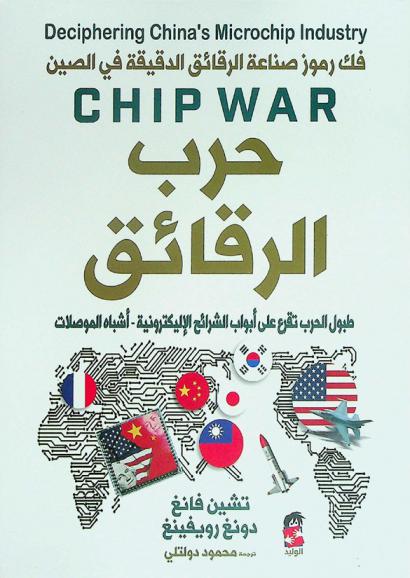
حرب الرقائق : فك رموز صناعة الرقائق الدقيقة في الصين : طبول الحرب تقرع على أبواب الشرائح الإلكترونية أشباه الموصلات
يستعرض الكتاب التقنيات الصينية في مجال صناعة الرقائق، والطرق التي اتبعتها بكين لتطوير تقنيات التصنيع المحلية، مع الاعتماد على الذكاء الاصطناعي والمواد المتقدمة. يستعرض المؤلف تفاصيل حول الشركات الصينية الكبرى التي تتنافس لتصنيع الشرائح الإلكترونية بمستوى عال من الدقة. التهديدات الجيوسياسية لا تقتصر حرب الرقائق على الابتكار فقط، بل تشمل أيضا معركة جيوسياسية، حيث تستمر الدول الكبرى في وضع العقوبات و الضغوط الاقتصادية على بعض الشركات الصينية التي تعتبر منافسا رئيسيا الابتكارات في مجال الرقائق الدقيقة الكتاب يتطرق إلى مستقبل الرقائق الدقيقة والشرائح الإلكترونية، مع تسليط الضوء على الابتكارات في تقنيات التصنيع مثل الشرائح ثلاثية الأبعاد و تقنيات النانو، التي من شأنها تغيير شكل صناعة التكنولوجيا في المستقبل القريب. التأثير على الاقتصاد العالمي كيف يمكن لصناعة الرقائق أن تحدد اقتصاديات الدول الكبرى، وكيف أن أي تعطيل لهذه الصناعة قد يؤثر على أسواق الهواتف الذكية، السيارات الكهربائية، الذكاء الاصطناعي، الأجهزة الطبية، والكثير من الصناعات التي تعتمد على الأجهزة الإلكترونية الدقيقة.
BOOK

Four Chinese Buddhist Nuns’ Gender Anxiety in Their Colophons to the Da banniepan jing 大般涅槃經
Many scholars of Buddhism believe that Buddhists (particularly Mahāyāna Buddhists) regularly reproduce scriptures for merit in general, regardless of their content. However, by examining four Chinese Buddhist nuns’ colophons in manuscripts of the Da banniepan jing 大般涅槃經 (Scripture on the Great Extinction; Skt. Mahāparinirvāṇa-sūtra) (T no. 374) from around the sixth century with reference to its content, I argue that this scripture is significantly related to gender transformation and “female filth”. In this way, I suggest that these nuns could have deliberately commissioned this particular scripture due to their gender-based concerns. This study deepens our understanding of the reception of this scripture by Chinese Buddhist nuns by concentrating on the notion of gender, and it indicates that some nuns did not commission scriptures simply for merit without awareness of the scriptures’ content. This method of reading Buddhist texts as objects put into practice provides insight into the intellectual background of medieval Chinese Buddhist nuns, showing how they drew on their knowledge of Buddhist texts and financial resources to commission a specific scripture in order to negotiate more spiritual space.
Journal Article

Pembrolizumab plus cetuximab in patients with recurrent or metastatic head and neck squamous cell carcinoma: an open-label, multi-arm, non-randomised, multicentre, phase 2 trial
Pembrolizumab (PD-1 inhibitor) and cetuximab (EGFR inhibitor) are active as single agents and in combination with cytotoxic chemotherapy for recurrent or metastatic head and neck squamous cell carcinoma (HNSCC). Given each drug's single agent activity and unique mechanism of action, we aimed to evaluate the anti-tumour activity of PD-1 blockade with EGFR inhibition in recurrent or metastatic HNSCC.
This study is an open-label, non-randomised, multi-arm, phase 2 trial done at four academic centres in the USA. Participants were required to have platinum-resistant or platinum-ineligible, recurrent or metastatic HNSCC, be at least 18 years old, have an Eastern Cooperative Oncology Group performance status 0–1, have measurable disease per Response Evaluation Criteria in Solid Tumors (RECIST) version 1.1, and to have received no previous immunotherapy or EGFR inhibition. All participants received pembrolizumab 200 mg intravenously every 3 weeks, combined with an initial loading dose of cetuximab 400 mg/m2 intravenously followed by 250 mg/m2 intravenously weekly (21 day cycle). The primary endpoint was overall response rate defined as the proportion of participants with a partial or complete responses (per RECIST version 1.1) by 6 months in the intention-to-treat population. The safety population included all participants who received at least one dose of pembrolizumab. Herein, the final analysis of cohort 1 (no previous PD-1, PD-L1, or EGFR inhibition for recurrent or metastatic HNSCC) is reported. Three additional cohorts (two for participants with a previous response to immunotherapy followed by relapse or progression, with or without previous cetuximab exposure, and one for cutaneous HNSCC) will be reported separately once fully accrued. This study is registered with ClinicalTrials.gov, NCT03082534, and remains open as the three additional cohorts are actively accruing participants.
Between March 22, 2017, and July 16, 2019, 33 participants were enrolled to cohort 1. All 33 participants received at least one dose of pembrolizumab. Median follow-up duration was 7·3 months (IQR 3·9–10·9). By 6 months, the overall response rate was 45% (95% CI 28–62), with 15 of 33 participants achieving a partial response. The most common grade 3–4 treatment-related adverse event was oral mucositis (three [9%] of 33 participants), and serious treatment-related adverse events occurred in five (15%) participants. No treatment-related deaths occurred.
Pembrolizumab combined with cetuximab shows promising clinical activity for recurrent or metastatic HNSCC, and merits further investigation.
Merck Sharp & Dohme.
Journal Article

ATG14 targets lipid droplets and acts as an autophagic receptor for syntaxin18-regulated lipid droplet turnover
Lipid droplets (LDs) are dynamic lipid storage organelles that can be degraded by autophagy machinery to release neutral lipids, a process called lipophagy. However, specific receptors and regulation mechanisms for lipophagy remain largely unknown. Here, we identify that ATG14, the core unit of the PI3KC3-C1 complex, also targets LD and acts as an autophagic receptor that facilitates LD degradation. A negative regulator, Syntaxin18 (STX18) binds ATG14, disrupting the ATG14-ATG8 family members interactions and subverting the PI3KC3-C1 complex formation. Knockdown of STX18 activates lipophagy dependent on ATG14 not only as the core unit of PI3KC3-C1 complex but also as the autophagic receptor, resulting in the degradation of LD-associated anti-viral protein Viperin. Furthermore, coronavirus M protein binds STX18 and subverts the STX18-ATG14 interaction to induce lipophagy and degrade Viperin, facilitating virus production. Altogether, our data provide a previously undescribed mechanism for additional roles of ATG14 in lipid metabolism and virus production.
Lipophagy is the degradation of lipid droplets by the autophagy machinery. Here, the authors identify that autophagy protein ATG14 also targets lipid droplets and interacts with ATG8 proteins, functioning as an autophagic receptor for STX18-regulated lipophagy.
Journal Article

Coalescence and Break-Up Behaviors of Nanodroplets under AC Electric Field
Water must be separated from water-in-oil (W/O) emulsion because of the corrosion it brings to the relative equipment in the process of transportation and storage. It is an effective method to apply external electric field to achieve high performance of separating small, dispersed water droplets from W/O emulsion; however, the coalescing micromechanism of such small salty droplets under AC electric field is unclear. In this paper, molecular dynamics simulation was adopted to investigate the coalescence and separation process of two NaCl-aqueous droplets under AC electric field and discuss the effect of AC electric field frequency, as well as the time required for contacting, the critical electric field strength, the dynamic coalescence process and the stability of the final merged droplet. The results show that the critical electric field strength of the droplet coalescence increases with the increase of frequency, while the time required for droplet contacting becomes shorter. The shrinkage function curve was applied to characterize the droplet coalescence effect and it was found that the droplets coalescence and form a nearly spherical droplet under the AC electric field with a frequency of 1.25 GHz and strength of 0.5 V/nm. When the electric field frequency is 10 GHZ, the merged droplet presents a periodic fluctuation with the same period as the AC electric field, which mainly depends on the periodic movement of cations and anions under the AC electric field. The results can provide theoretical basis for the practical application of electrostatic demulsification technology in the petroleum or chemical industry from the microscopic perspective.
Journal Article
Drug reinforcement impairs cognitive flexibility by inhibiting striatal cholinergic neurons
Addictive substance use impairs cognitive flexibility, with unclear underlying mechanisms. The reinforcement of substance use is mediated by the striatal direct-pathway medium spiny neurons (dMSNs) that project to the substantia nigra pars reticulata (SNr). Cognitive flexibility is mediated by striatal cholinergic interneurons (CINs), which receive extensive striatal inhibition. Here, we hypothesized that increased dMSN activity induced by substance use inhibits CINs, reducing cognitive flexibility. We found that cocaine administration in rodents caused long-lasting potentiation of local inhibitory dMSN-to-CIN transmission and decreased CIN firing in the dorsomedial striatum (DMS), a brain region critical for cognitive flexibility. Moreover, chemogenetic and time-locked optogenetic inhibition of DMS CINs suppressed flexibility of goal-directed behavior in instrumental reversal learning tasks. Notably, rabies-mediated tracing and physiological studies showed that SNr-projecting dMSNs, which mediate reinforcement, sent axonal collaterals to inhibit DMS CINs, which mediate flexibility. Our findings demonstrate that the local inhibitory dMSN-to-CIN circuit mediates the reinforcement-induced deficits in cognitive flexibility.
Addictive substances may impair cognitive flexibility. Here the authors show that in rodents, increased activity of striatal direct-pathway medium spiny neurons (dMSNs) in response to cocaine inhibits cholinergic interneurons (CINs), reducing cognitive flexibility.
Journal Article

Fetal umbilical artery thrombosis: prenatal diagnosis, treatment and follow-up
Background
To analyze the ultrasound imaging and clinical characteristics of fetuses with umbilical artery thrombosis (UAT), explore the potential causes of UAT and construct a prognostic prediction model to guide clinical practice.
Methods
This was a retrospective cohort study of fetal UAT cases examined at two academic tertiary referral care centers from 2014 to 2020. The basic information of the participants was obtained by interview during follow-up, and data on clinical treatment, delivery conditions, diagnosis and confirmation were obtained through medical records. Probable causes of thrombosis were explored by comparative analysis of the UAT group to the control group and by further regression analysis. Multivariable logistic regression models were used to evaluate risk factors for adverse pregnancy outcomes. Receiver operating characteristic (ROC) curves were constructed to evaluate the diagnostic value of the prognostic prediction model.
Results
Thirty fetuses with UAT were included in this study. UAT occurred mostly in the third trimester of pregnancy, and there was an obvious predominance of right UAT. An abnormal pregnancy history (53.3%) was the most common comorbidity, followed by gestational diabetes mellitus (GDM) (20.0%). GDM and umbilical cord (UC) abnormalities were found to be independent risk factors for the development of UAT. After comprehensive decision-making, over two-thirds of the patients with UAT received urgent treatment, and less than one-third received expectant management. Surprisingly, there were no significant differences in fetal outcomes between the urgent treatment and expectant management groups. Multivariate logistic regression analysis showed that gestational age (GA) at clinical diagnosis and UC abnormalities were independent risk factors for adverse pregnancy outcomes (OR 0.781,
p
= 0.042; OR 16.779,
p
= 0.023, respectively). Based on this, we constructed a comprehensive prognostic prediction model. The area under the ROC curve (AUC) was 0.877 (95% CI 0.698–0.970;
p
< 0.001), which suggested that the combination of GA and UC abnormalities was a better predictor for fetal outcomes in our setting.
Conclusion
In summary, maternal GDM and fetal UC abnormalities are independent risk factors for UAT. UAT is more frequently observed on the right side. Moreover, poor clinical outcomes for fetuses with UAT are ascribed mainly to GA and UC abnormalities, which should be comprehensively evaluated to choose the appropriate treatment.
Journal Article

Role of e-cigarettes and pharmacotherapy during attempts to quit cigarette smoking: The PATH Study 2013-16
More smokers report using e-cigarettes to help them quit than FDA-approved pharmacotherapy.
To assess the association of e-cigarettes with future abstinence from cigarette and tobacco use.
Cohort study of US sample, with annual follow-up.
US adult (ages 18+) daily cigarette smokers identified at Wave 1 (W1; 2013-14) of the PATH Study, who reported a quit attempt before W2 and completed W3 (n = 2443).
Use of e-cigarettes, pharmacotherapy (including nicotine replacement therapy), or no product for last quit attempt (LQA), and current daily e-cigarette use at W2.
Propensity score matching (PSM) of groups using different methods to quit.
12+ months abstinence at W3 from cigarettes and from all tobacco (including e-cigarettes). 30+ days abstinence at W3 was a secondary outcome.
Among daily smokers with an LQA, 23.5% used e-cigarettes, 19.3% used pharmacotherapy only (including NRT) and 57.2% used no product. Cigarette abstinence for 12+ months at W3 was ~10% in each group. Half of the cigarette abstainers in the e-cigarette group were using e-cigarettes at W3. Different methods to help quitting had statistically comparable 12+ month cigarette abstinence at W3 (e-cigarettes vs no product: Risk Difference (RD) = 0.01, 95% CI: -0.04 to 0.06; e-cigarettes vs pharmacotherapy: RD = 0.02, 95% CI:-0.04 to 0.09). Likewise, daily e-cigarette users at W2 did not show a cessation benefit over comparable no-e-cigarette users and this finding was robust to sensitivity analyses. Abstinence for 30+ days at W3 was also similar across products.
The frequency of e-cigarette use during the LQA was not assessed, nor was it possible to assess continuous abstinence from the LQA.
Among US daily smokers who quit cigarettes in 2014-15, use of e-cigarettes in that attempt compared to approved cessation aids or no products showed similar abstinence rates 1-2 years later.
Journal Article

Primary closure and prophylactic antibiotics for treatment of traumatic wounds caused by mammals, a systematic review and meta-analysis
Purpose
To compare primary closure (PC) with delayed/no closure (DC/NC), and compare prophylactic use of antibiotics (PUA) with no use of antibiotics (NUA) in the treatment of traumatic wounds caused by mammals by a systematic review and meta-analysis.
Methods
PubMed and Embase databases were searched for eligible randomized clinical trials (RCTs) and observational studies. Qualities of RCTs were assessed according to Cochrane risk of bias tool, qualities of observational studies were assessed according to Newcastle–Ottawa Scale. Primary outcomes included the incidence of wound infection or poor wound healing and the rate of wound cosmesis satisfaction. The relative risks (RRs) of RCTs, odds ratios (ORs) of observational studies and their 95% confidence interval (CI) were extracted directly from included studies or calculated according to the 2 × 2 table obtained by the incidence. The sensitivity analysis, meta-regression and subgroup analysis were performed to identify clinical factors that caused the heterogeneity between studies.
Results
Of 26 included studies, 17 studies (8 RCTs and 9 observational studies, 8091 patients) compared PC with DC/NC and 14 studies (7 RCTs and 7 observational studies, 2508 patients) compared PUA with NUA. The pooled OR of all studies (PC versus DC/NC) for wound infection or poor wound healing was 0.79 (95%CI: 0.54, 1.17), the pooled RR of RCTs for wound infection was 0.73 (0.51, 1.06). The pooled OR for cosmesis satisfaction was 3.68 (1.27, 10.68) of 2 studies (PC versus DC) that did not use the negative pressure sealing drainage technique. Subgroup analysis demonstrated that the pooled OR was significant under specific clinical conditions: (1) comparison of PC and DC (pooled OR: 0.49 [0.27, 0.90]), (2) prophylactic use of antibiotics (0.56 [0.33, 0.94]), (3) no use of antibiotics (0.63 [0.41, 0.98]), (4) wounds located in limbs/trunk (0.41 [0.23, 0.73]), (5) time to the first medical presentation (TTP) ≤ 10 h (0.59 [0.39, 0.89]). While the pooled OR (PC versus NC) was not significant (0.84 [0.51, 1.37]). The pooled OR of all studies for wound infection (PUA versus NUA) was 0.73 (95%CI: 0.46, 1.17), the pooled RR of RCTs for wound infection was 0.81 (0.46, 1.44). No included studies (PUA versus NUA) reported the outcome of wound cosmesis. Subgroup analysis demonstrated that the pooled OR was significant under specific clinical conditions: (1) injury caused by other type of mammals other than dog (pooled OR: 0.24 [0.06–0.98]), (2) wounds located in face/head (0.13 [0.03, 0.52]).
Conclusions
Regardless of whether prophylactic antibiotics are used or not, compared to delayed closure, primary closure should be given priority in treating traumatic wounds caused by mammals which can decrease the incidence of wound infection or poor wound healing and obtain the better wound cosmesis, but it does not show the superiority compared to no closure, unless under some specific clinical conditions. Prophylactic use of antibiotics may not benefit in prevention of wound infection unless under specific clinical conditions, such as wounds caused by mammals other than dogs or wounds located in face/head.
Journal Article

Alcohol attenuates CRF-induced excitatory effects from the extended amygdala to dorsostriatal cholinergic interneurons
Alcohol relapse is associated with corticotropin-releasing factor (CRF) signaling and altered reward pathway function, though the precise mechanisms remain unclear. Here, using both mice and rats, we investigated how CRF modulates cholinergic interneurons (CINs) in the dorsal striatum, a region critical in mediating cognitive flexibility and action selection. Using monosynaptic and retrograde circuit tracing, we identified direct inputs from CRF-expressing (CRF + ) neurons in the central amygdala (CeA) and bed nucleus of the stria terminalis (BNST) to dorsal striatal CINs. We showed that CINs express CRF receptor 1 (CRFR1) and established their functional connectivity with CeA/BNST CRF + projections. Functional recordings revealed that CRF enhanced CIN excitability and promoted acetylcholine release in the dorsal striatum. However, acute alcohol exposure and withdrawal attenuated the excitatory effect of CRF on CIN firing, suggesting a mechanism by which alcohol disrupts CRF-dependent neuromodulation. These findings reveal a previously unrecognized CRF-CIN pathway linking the extended amygdala to the dorsal striatum and provide new insight into how CRF and alcohol interact to impair striatal function. This work highlights CRF signaling as a potential target for understanding stress-induced changes to the reward pathway. Stress and addiction are closely connected. Chronic stress can make the brain more sensitive to drugs and alcohol, increasing the risk of addiction. A key brain region involved in stress responses is the extended amygdala, which communicates with other areas responsible for decision-making and habit formation. Within this system, the chemical messenger CRF triggers stress responses. Cholinergic interneurons, a specific type of neuron in the striatum, help balance brain activity and regulate motivation and behavior. These neurons also control dopamine, a chemical messenger essential for learning and reward. Although alcohol interacts with stress systems, its effects on communication between stress-related brain regions and the striatum remain poorly understood. Understanding how stress signals affect cholinergic interneurons could provide insight into addiction and other mental health conditions. Essoh et al. aimed to investigate how alcohol influences stress signals from the extended amygdala to cholinergic interneurons in the dorsal striatum of mice and rats. Using mouse brain slices, they found that CRF released from extended amygdala inputs exerts an excitatory effect on cholinergic interneurons in the dorsal striatum. These neurons play a key role in learning and goal-directed behavior. However, alcohol significantly reduced this CRF-induced excitation. This effect appears to result from local actions within the striatum, involving inhibition of synaptic transmission. These findings suggest that alcohol suppresses stress-related communication in brain circuits governing motivation and habit formation, which may impair the brain’s ability to adapt to changing environments and promote compulsive or habitual alcohol consumption. These insights could inform treatments for addiction and stress-related psychiatric disorders. By understanding how alcohol disrupts stress circuits, it may be possible to develop interventions that restore healthy connectivity between brain regions involved in motivation and behavioral control. Future studies in live animals are needed to confirm these effects and assess whether they produce long-term behavioral changes, particularly those associated with compulsive drug use.
Journal Article