
Catalogue Search | MBRL


Are you sure you want to remove the book from the shelf?

{{itemTitle}}
2,432
result(s) for
"Cho, Sun Young"
Sort by:
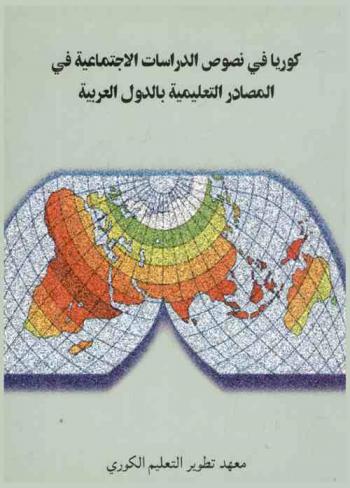
كوريا في نصوص الدراسات الاجتماعية في المصادر التعليمية بالدول العربية
يتناول كتاب (كوريا في نصوص الدراسات الاجتماعية في المصادر التعليمية بالدول العربية) والذي قام بتحريره (د. لي تشان-هي) في حوالي (76) صفحة من القطع المتوسط موضوع (التعليم في كوريا الجنوبية) مستعرضا المحتويات التالية : مراجعة المحتويات الخاصة بكوريا في نصوص الدراسات الاجتماعية في الدول العربية، تقديم موضوعات متعلقة بالمجتمع الإسلامي في الكتب المدرسية الابتدائية والإعدادية.
Book

MERS-CoV outbreak following a single patient exposure in an emergency room in South Korea: an epidemiological outbreak study
In 2015, a large outbreak of Middle East respiratory syndrome coronavirus (MERS-CoV) infection occurred following a single patient exposure in an emergency room at the Samsung Medical Center, a tertiary-care hospital in Seoul, South Korea. We aimed to investigate the epidemiology of MERS-CoV outbreak in our hospital.
We identified all patients and health-care workers who had been in the emergency room with the index case between May 27 and May 29, 2015. Patients were categorised on the basis of their exposure in the emergency room: in the same zone as the index case (group A), in different zones except for overlap at the registration area or the radiology suite (group B), and in different zones (group C). We documented cases of MERS-CoV infection, confirmed by real-time PCR testing of sputum samples. We analysed attack rates, incubation periods of the virus, and risk factors for transmission.
675 patients and 218 health-care workers were identified as contacts. MERS-CoV infection was confirmed in 82 individuals (33 patients, eight health-care workers, and 41 visitors). The attack rate was highest in group A (20% [23/117] vs 5% [3/58] in group B vs 1% [4/500] in group C; p<0·0001), and was 2% (5/218) in health-care workers. After excluding nine cases (because of inability to determine the date of symptom onset in six cases and lack of data from three visitors), the median incubation period was 7 days (range 2–17, IQR 5–10). The median incubation period was significantly shorter in group A than in group C (5 days [IQR 4–8] vs 11 days [6–12]; p<0·0001). There were no confirmed cases in patients and visitors who visited the emergency room on May 29 and who were exposed only to potentially contaminated environment without direct contact with the index case. The main risk factor for transmission of MERS-CoV was the location of exposure.
Our results showed increased transmission potential of MERS-CoV from a single patient in an overcrowded emergency room and provide compelling evidence that health-care facilities worldwide need to be prepared for emerging infectious diseases.
None.
Journal Article

Changes to Gut Microbiota Following Systemic Antibiotic Administration in Infants
Long-term antibiotic use can have consequences on systemic diseases, such as obesity, allergy, and depression, implicating the causal role of gut microbiome imbalance. However, the evaluation of the effect of antibiotics in early infancy on alterations to the gut microbiome remains poorly understood. This study aimed to evaluate the gut microbiome state in infancy following systemic antibiotic treatment. Twenty infants under 3 months of age who had received antibiotics for at least 3 days were enrolled, and their fecal samples were collected 4 weeks after antibiotic administration finished. Thirty-four age-matched healthy controls without prior exposure to antibiotics were also assessed. The relative bacterial abundance in feces was obtained via sequencing of 16 S rRNA genes, and alpha and beta diversities were evaluated. At the genus level, the relative abundance of Escherichia/Shigella and Bifidobacterium increased (p = 0.03 and p = 0.017, respectively) but that of Bacteroides decreased (p = 0.02) in the antibiotic treatment group. The microbiome of the antibiotic treatment group exhibited an alpha diversity lower than that of the control group. Thus, systemic antibiotic administration in early infancy affects the gut microbiome composition even after a month has passed; long-term studies are needed to further evaluate this.
Journal Article

Emergence of vancomycin-resistant Enterococcus faecium ST1421 lacking the pstS gene in Korea
Although multilocus sequence typing (MLST) has been used to study molecular epidemiology and to explore the population structure of Enterococcus faecium, vancomycin-resistant E. faecium (VREF) strains lacking the pstS gene that were non-typable using conventional MLST methods were reported recently. We found nationwide emergence of VREF isolates lacking pstS in Korea and hereby report the molecular characteristics of these isolates. Forty-six VREF isolates lacking the pstS gene were identified among 300 VREF rectal isolates collected from hospitalized patients between 2014 and 2015. MLST was performed and clonal relatedness was determined by pulsed-field gel electrophoresis (PFGE). Four VREF ST1421 isolates were whole-genome sequenced. Among the VREF rectal isolates lacking pstS, 98% were classified as ST1421, which has identical allelic profiles to ST17 for all housekeeping genes except pstS. PFGE pattern analyses revealed 32 pulsotypes. All isolates harbored Tn1546 components with various transposase and insertion sequences. The whole-genome sequencing of four VREF ST1421 isolates showed that the pstS gene region was deleted at various locations with considerable inversion. The pstS gene was also depleted in 12.1% of 33 VREF clinical isolates in 2006–2007 and in 11.8% of 59 clinical isolates in 2012–2013. VREF ST1421 strains lacking the pstS gene have emerged in Korea. The emergence and spread of pstS-deleted VREF strains pose a serious challenge for epidemiological investigation. Alternative molecular typing methods to MLST will be increasingly necessary.
Journal Article
Risk factors for development and mortality of invasive pulmonary Aspergillosis in kidney transplantation recipients
Invasive pulmonary aspergillosis (IPA) is a high mortality opportunistic infection among kidney transplant recipients. This study assessed the risk factors and outcomes of IPA after KT. A retrospective study was conducted at a tertiary-care referral hospital in Korea. Electronic medical records of patients diagnosed with IPA after KT between February 1995 and March 2015 were reviewed. The control patients comprised two patients who received KT before and after each IPA case. Twenty-six cases were diagnosed with IPA among 1963 recipients at a median of 58 years old. The most common cause of end-stage renal disease was diabetic nephropathy. The median time to diagnosis was 161 days. Delayed graft function was associated with the development of IPA. The overall 12-week mortality rate of IPA was 57.5%. Serum GM level ≥ 2 and BAL GM level ≥ 5 were associated with 12-week mortality in the Kaplan-Meier survival analyses. Approximately half of IPA in KT recipients developed during the late posttransplant period (> 6 months), especially after treatment for acute rejection. Careful monitoring for IPA is required in patients with delayed graft function, DM, and who received rejection therapy. Higher serum and BAL GM were associated with 12-week mortality.
Journal Article

Shotgun Metagenomic Sequencing Analysis as a Diagnostic Strategy for Patients with Lower Respiratory Tract Infections
Conventional diagnostic methods (CDMs) for lower respiratory infections (LRIs) have limitations in detecting causative pathogens. This study evaluates the utility of shotgun metagenomic sequencing (SMS) as a complementary diagnostic tool using bronchoalveolar lavage (BAL) fluid. Sixteen BAL fluid samples from pneumonia patients with positive CDM results—including bacterial/fungal cultures; PCR for Mycobacterium tuberculosis or cytomegalovirus; and the BioFire® FilmArray® Pneumonia Panel (BioFire Diagnostics LLC, Salt Lake City, UT, USA)—underwent 10 Gb SMS on the Illumina NovaSeq 6000 platform (Illumina, San Diego, CA, USA). Reads were aligned to the NCBI RefSeq database; with fungal identification further supported by internal transcribed spacer (ITS) analysis. Antibiotic resistance genes (ARGs) were annotated using the Comprehensive Antibiotic Resistance Database. Microbial reads accounted for 0.00002–0.04971% per sample. SMS detected corresponding bacteria in 63% of cases, increasing to 69% when subdominant taxa were included. Fungal reads were low; however, Candida species were identified in four samples via ITS. No viral reads were detected. ARGs meeting perfect match criteria were found in two cases. This is the first real-world study comparing SMS with CDMs, including semiquantitative PCR, in BAL fluid for LRI. SMS shows promise as a supplementary diagnostic method, with further research needed to optimize its performance and cost-effectiveness.
Journal Article

Growth and Carotenoid Contents of Intercropped Vegetables in Building-Integrated Urban Agriculture
Sustainable food security due to climate and social change is more important than ever. This study was conducted to increase plant growth and bioactive contents using intercropping technology in urban agriculture. Tomatoes (Solanum lycopersicum L.) and sunflowers (Helianthus annuus L.) were intercropped in different ratios in outdoor rooftop, and lettuce (Lactuca savita L.) was grown with chicory (Cichorium intybus. L.) in the indoor LED plant growth chambers. Carotenoids in plant foods were analyzed using an ultraperformance liquid chromatography with photodiode array detection. Chlorophyll contents were determined by the soil analysis development chlorophyll meter. Tomatoes planted with sunflowers (3 : 1) had a significantly larger stem diameter (p<0.05), a large number of leaves (p<0.05), and significantly higher lycopene at d88 (p<0.05), d102 (p<0.001), and d115 (p<0.01), and β-carotene contents at d102 (p<0.05) as compared to those of monocultured tomatoes. Lettuce planted in a ratio of 1 : 3 with lettuce and chicory had significantly higher contents of chlorophyll (p<0.05), β-carotene (p<0.05), and lutein (p<0.01), than lettuce planted alone. On the other hand, intercropping of chicory and lettuce did not have a beneficial effect on the growth and carotenoid content of chicory. The current study indicates that plant growth and carotenoid content can be substantially modified by cocultivation, and the effects may vary depending on the type of plant and the crop ratio.
Journal Article

Enhanced Biofilm Disruption in Methicillin-Resistant Staphylococcus aureus Using Rifampin and Fluoroquinolone Combinations
Staphylococcus aureus biofilms complicate the treatment of device-related infections. We hypothesized that combining rifampin with fluoroquinolones could eradicate biofilms even in antimicrobial-resistant S. aureus strains. We determined the synergistic interactions of these combinations in a biofilm model. Thirty methicillin-resistant S. aureus (MRSA) isolates with varying susceptibility profiles were evaluated. Minimum biofilm eradication concentrations (MBECs) were determined using the Calgary Biofilm Device, and the synergy was assessed using the fractional biofilm eradication concentration (FBEC) index. Scanning electron microscopy (SEM) was performed on one strain, and confocal laser scanning microscopy (CLSM) was conducted on four strains for visualizing and evaluating the biofilm viability. The MBEC90 for rifampin and levofloxacin were 512 mg/L and 256 mg/L, respectively, and exceeded 1024 mg/L for ciprofloxacin. Synergy was observed in 56.7% of strains for both the rifampin + ciprofloxacin and rifampin + levofloxacin combinations, with no difference between the combinations. A higher ciprofloxacin MBEC (≥16 mg/L) increased the likelihood of synergy with rifampin by 18-fold. SEM and CLSM analyses in a subset of strains confirmed the enhanced biofilm disruption with rifampin + ciprofloxacin compared to ciprofloxacin alone. Our findings suggest that rifampin combined with ciprofloxacin or levofloxacin may synergistically eradicate MRSA biofilms, offering a potential treatment option for device-related infections when alternatives are limited.
Journal Article

Effects of mealworm larva composition and selected process parameters on the physicochemical properties of extruded meat analog
Mealworm larva (Tenebrio molitor), the most promising edible insect species with low cost and less environmental pollution, can fulfill the flavor and nutrition which are deficient in soy‐based meat analog. Consumers who might have the sensitivity and reluctance to the intact form of edible insect could be offered the high‐quality extruded meat analog. Therefore, this study aimed to investigate the effects of different mealworm larva contents and extrusion process parameters using twin‐screw extruder on the physicochemical properties of the extruded meat analog. Mealworm larva was added to the base formulation at the rate of 0, 15, and 30%. Extrusion process parameters were varied as die temperature (140°C and 150°C) and moisture content (40% and 50%). The integrity index, texture profile analysis, and oxidation activity (TBARS) of extruded meat analog decreased with increase in mealworm larva content. However, water holding capacity, nitrogen solubility index, protein digestibility, and DPPH radical scavenging activity significantly increased (p < .05) as the mealworm content increased. Lower die temperature and higher moisture content enhanced the textural properties, but reduced nitrogen solubility index and protein digestibility. At higher die temperature, DPPH activity increased but TBARS showed the opposite result. After extrusion cooking, the total amino acid levels of extruded meat analog were 585.21 g/kg in 30% mealworm larva content that level was lower than 591.43 g/kg in raw mixture while the sulfur‐containing amino acids and glutamic acid were higher than that of raw mixture. In conclusion, addition of mealworm larva could improve the nutritional value, antioxidant functionality, and taste of extruded meat analog under controlled extrusion process conditions.
Antioxidant activity is an important factor in the presented study. Especially, we confirmed that mealworm larva possesses antioxidant activity whereas oxidation substance detects low content. TBARS (rancidity) was influenced by increasing the antioxidant property (containing mealworm larva).
Journal Article

Infection Prevention Strategy in Hospitals in the Era of Community-Associated Methicillin-Resistant Staphylococcus aureus in the Asia-Pacific Region: A Review
Community-associated methicillin-resistant Staphylococcus aureus (CA-MRSA) has emerged as an important cause of healthcare-associated infection. CA-MRSA clones have replaced classic hospital MRSA clones in many countries and have shown higher potential in transmission and virulence than hospital MRSA clones. In particular, the emergence of CA-MRSA in the Asia-Pacific region is concerning owing to insufficient infection control measures in the region. The old strategies for infection prevention and control of MRSA comprised adherence to standard precaution and policy of active screening of MRSA carriers and decolonization, and it has been controversial which strategy is better in terms of outcome and cost-effectiveness. Epidemiological changes in MRSA has made the development of infection prevention strategy more complicated. Based on the literature review and the questionnaire survey, we considered infection prevention strategies for healthcare settings in the Asia-Pacific region in the era of CA-MRSA.
Journal Article