
Catalogue Search | MBRL


Are you sure you want to remove the book from the shelf?

{{itemTitle}}
97
result(s) for
"Christensen, Karl Bang"
Sort by:

Transitions between Sickness Absence, Work, Unemployment, and Disability in Denmark 2004-2008
Objectives Studies of labor market outcomes like sickness absence are usually restricted to a single outcome. This paper investigates the use of multi-state models for studying multiple transitions between sick-listing, work, unemployment, and disability pension by analyzing longitudinal register data. Every person sick-listed in Denmark during 2004 was followed until the spring of 2008. Methods A multi-state model was used to analyze transitions between four states: work, sickness absence, unemployment, and disability pension. The first three are possible recurrent states. The predictor variables include age group, gender, geographical region, chronic disease, temporary disease, self-employment sickness absence insurance, and pregnancy. The relative effects of previous transitions were also studied. Results Risk of transition from sickness absence to disability pension differs with age and geographical region. Those aged 20—29 years have an increased risk of transitioning from work to sickness absence and from sickness absence to unemployment. The self-employed have increased risk of transitioning from work to sickness absence. Those with chronic disease have increased risk of sickness absence, but also a greater probability of returning to work. Previous sickness absence increases the risk of transitioning from work to sickness absence, from sickness absence to unemployment, from work to unemployment, and from work to disability pension. Conclusions The multi-state model is an effective way of analyzing register data and the transitions between sickness absence, work, unemployment, and disability pension. These methods can be used to develop better predictive models of sickness absence, return to work, unemployment, and disability.
Journal Article

Using administrative sickness absence data as a marker of future disability pension: the prospective DREAM study of Danish private sector employees
Objectives: The aim of this study was to examine duration of sickness absence as a risk marker for future disability pension among all private sector employees in Denmark 1998–2004. Methods: All private sector employees receiving sickness absence compensation from the municipality in 1998, a total of 225 056 persons (39.2% women 61.8% men, age range 18–65, mean age 37.2), were followed in a national register to determine granted disability pension during the period 1 January 2001 through 31 December 2004. The authors excluded pensions in 1999 and 2000 to determine the status of sickness absence duration as an early risk marker. Results: 5694 persons (2.5%) received disability pension during follow-up, more men (53.4%) than women (46.6%). There was a strong graded association between increasing length of absence and increasing risk of future disability pension. Significant differences were found between the younger and older age strata: men below 40 experiencing more than 26 weeks of sickness absence had a 16-fold risk of disability pension. The corresponding figure for men 40 years or older was approximately 7. For women, the corresponding figures were 12.6 and 6.7 respectively. Conclusion: The findings suggest that administratively collected data on sickness absence compensation are an important predictor of disability pension among private sector employees. The use of information on sick leave may improve the effectiveness of early interventions by policy makers, case managing authorities, employers and physicians.
Journal Article

A Multidimensional Tool Based on the eHealth Literacy Framework: Development and Initial Validity Testing of the eHealth Literacy Questionnaire (eHLQ)
For people to be able to access, understand, and benefit from the increasing digitalization of health services, it is critical that services are provided in a way that meets the user's needs, resources, and competence.
The objective of the study was to develop a questionnaire that captures the 7-dimensional eHealth Literacy Framework (eHLF).
Draft items were created in parallel in English and Danish. The items were generated from 450 statements collected during the conceptual development of eHLF. In all, 57 items (7 to 9 items per scale) were generated and adjusted after cognitive testing. Items were tested in 475 people recruited from settings in which the scale was intended to be used (community and health care settings) and including people with a range of chronic conditions. Measurement properties were assessed using approaches from item response theory (IRT) and classical test theory (CTT) such as confirmatory factor analysis (CFA) and reliability using composite scale reliability (CSR); potential bias due to age and sex was evaluated using differential item functioning (DIF).
CFA confirmed the presence of the 7 a priori dimensions of eHLF. Following item analysis, a 35-item 7-scale questionnaire was constructed, covering (1) using technology to process health information (5 items, CSR=.84), (2) understanding of health concepts and language (5 items, CSR=.75), (3) ability to actively engage with digital services (5 items, CSR=.86), (4) feel safe and in control (5 items, CSR=.87), (5) motivated to engage with digital services (5 items, CSR=.84), (6) access to digital services that work (6 items, CSR=.77), and (7) digital services that suit individual needs (4 items, CSR=.85). A 7-factor CFA model, using small-variance priors for cross-loadings and residual correlations, had a satisfactory fit (posterior productive P value: .27, 95% CI for the difference between the observed and replicated chi-square values: -63.7 to 133.8). The CFA showed that all items loaded strongly on their respective factors. The IRT analysis showed that no items were found to have disordered thresholds. For most scales, discriminant validity was acceptable; however, 2 pairs of dimensions were highly correlated; dimensions 1 and 5 (r=.95), and dimensions 6 and 7 (r=.96). All dimensions were retained because of strong content differentiation and potential causal relationships between these dimensions. There is no evidence of DIF.
The eHealth Literacy Questionnaire (eHLQ) is a multidimensional tool based on a well-defined a priori eHLF framework with robust properties. It has satisfactory evidence of construct validity and reliable measurement across a broad range of concepts (using both CTT and IRT traditions) in various groups. It is designed to be used to understand and evaluate people's interaction with digital health services.
Journal Article

Adaption and validation of the Safety Attitudes Questionnaire for the Danish hospital setting
Purpose: Measuring and developing a safe culture in health care is a focus point in creating highly reliable organizations being successful in avoiding patient safety incidents where these could normally be expected. Questionnaires can be used to capture a snapshot of an employee's perceptions of patient safety culture. A commonly used instrument to measure safety climate is the Safety Attitudes Questionnaire (SAQ). The purpose of this study was to adapt the SAQ for use in Danish hospitals, assess its construct validity and reliability, and present benchmark data. Materials and methods: The SAQ was translated and adapted for the Danish setting (SAQ-DK). The SAQ-DK was distributed to 1,263 staff members from 31 in- and outpatient units (clinical areas) across five somatic and one psychiatric hospitals through meeting administration, hand delivery, and mailing. Construct validity and reliability were tested in a cross-sectional study. Goodness-of-fit indices from confirmatory factor analysis were reported along with inter-item correlations, Cronbach's alpha (a), and item and subscale scores. Results: Participation was 73.2% (N=925) of invited health care workers. Goodness-of-fit indices from the confirmatory factor analysis showed: [c.sup.2]=1496.76, P<0.001, CFI 0.901, RMSEA (90% CI) 0.053 (0.050-0056), Probability RMSEA (p close)=0.057. Inter-scale correlations between the factors showed moderate-to-high correlations. The scale stress recognition had significant negative correlations with each of the other scales. Questionnaire reliability was high, (α=0.89), and scale reliability ranged from α=0.70 to α=0.86 for the six scales. Proportions of participants with a positive attitude to each of the six SAQ scales did not differ between the somatic and psychiatric health care staff. Substantial variability at the unit level in all six scale mean scores was found within the somatic and the psychiatric samples. Conclusion: SAQ-DK showed good construct validity and internal consistency reliability. SAQ-DK is potentially a useful tool for evaluating perceptions of patient safety culture in Danish hospitals. Keywords: patient safety culture, questionnaire, validity, reliability, Denmark
Journal Article

Clinicians’ heuristic assessments of radiographs compared with Kellgren-Lawrence and Ahlbäck ordinal grading: an exploratory study of knee radiographs using paired comparisons
ObjectivesOrdinal scales provide means for communicating the severity of a condition, but they are affected by cognitive biases, they introduce statistical problems and they sacrifice resolution. Clinicians discern more details than contained in scales, for example, when assessing radiographs, but clinicians’ distinctions are often based on experience-based rules of thumb, that is, heuristics. The objectives of this study are to compare clinicians’ heuristic assessments to ordinal grading, to identify case elements that influence clinicians’ judgements and to present a method for quantifying heuristic assessments.DesignClinicians were presented with 17 207 random pairs from a set of 1087 knee radiographs. For each pair, the radiograph with more severe osteoarthritis was selected. The Bradley-Terry model was used to calculate an osteoarthritis strength parameter for each radiograph. Similarly, strength parameters were determined for 12 morphological features with five additional features being considered either present or absent. All radiographs were also graded according to conventional ordinal systems (Kellgren-Lawrence and Ahlbäck). Relations between clinicians’ judgements and (1) the heuristics-based osteoarthritis strength, (2) conventional ordinal systems and (3) morphological features were investigated.ResultsReceiver operating characteristic analysis showed that the Bradley-Terry model provided a good description of clinicians’ assessments (area under the curve (AUC)=0.97, 95% CI 0.968 to 0.972). Morphological features (AUC=0.90, 95% CI 0.900 to 0.908) provided a superior description of clinicians’ choices compared with conventional ordinal systems (AUC=0.88, 95% CI 0.878 to 0.887 and AUC=0.80, 95% CI 0.796 to 0.809) for Ahlbäck and Kellgren-Lawrence, respectively). The features most strongly associated with osteoarthritis strength were medial joint space width, flattening of the medial femoral and tibial condyles, medial osteophytes and alignment.ConclusionsHeuristics-based assessments give a better distinction than conventional grading systems of knee osteoarthritis. The example presents a general approach to evaluate which features are part of experts’ heuristics. The data suggest that experts discern more details than included in conventional ordinal grading systems. Quantitative heuristic assessments may replace ordinal scales.
Journal Article

Equivalence of using a desktop virtual reality science simulation at home and in class
The use of virtual laboratories is growing as companies and educational institutions try to expand their reach, cut costs, increase student understanding, and provide more accessible hands on training for future scientists. Many new higher education initiatives outsource lab activities so students now perform them online in a virtual environment rather than in a classroom setting, thereby saving time and money while increasing accessibility. In this paper we explored whether the learning and motivational outcomes of interacting with a desktop virtual reality (VR) science lab simulation on the internet at home are equivalent to interacting with the same simulation in class with teacher supervision. A sample of 112 (76 female) university biology students participated in a between-subjects experimental design, in which participants learned at home or in class from the same virtual laboratory simulation on the topic of microbiology. The home and classroom groups did not differ significantly on post-test learning outcome scores, or on self-report measures of intrinsic motivation or self-efficacy. Furthermore, these conclusions remained after accounting for prior knowledge or goal orientation. In conclusion, the results indicate that virtual simulations are learning activities that students can engage in just as effectively outside of the classroom environment.
Journal Article

Psychometric validation of the Copenhagen Hip and Groin Outcome Score (HAGOS) and Oxford Hip Score (OHS) in patients with hip-abductor tendon pathology
ObjectiveValidated patient-reported outcome measures for patients with hip-abductor tendon pathology are lacking. Recent studies indicate that the Copenhagen Hip and Groin Outcome Score (HAGOS), in the original or the revised scoring format, and the Oxford Hip Score (OHS) may be relevant for use in patients with hip-abductor tendon pathology. The objective of this study was to assess the validity of the Danish version of the HAGOS, the revised HAGOS, and the OHS psychometrically in patients with hip-abductor tendon pathology. This involved the six subscales in the original and the revised version of HAGOS, the standard one-factor scoring of the OHS and the two-factor scoring of the OHS.MethodsWe included individual responses to HAGOS and OHS from 210 patients with hip-abductor tendon pathology (17 men; 193 women; median age 56 years, range 18–91, IQR 48–65). Overall fit, model fit, individual item fit and measurement invariance were examined using confirmatory factor analysis (CFA) and item response theory.ResultsCFA rejected psychometric validity of three original HAGOS subscales (symptoms, pain, physical function in sport and recreation) (p<0.0001) and the OHS (p<0.0001), whereas the revised scoring format for HAGOS subscales fit adequately. Results indicate a notable discrepancy between observed and expected scores on OHS item 10 in the patient group.ConclusionThe original HAGOS and OHS are not psychometrically valid, but the revised HAGOS scoring format is an appropriate PROM for patients with hip-abductor tendon pathology. The OHS would need slight adjustment before being used in patients with hip-abductor tendon pathology.
Journal Article
Fear of hypoglycemia and its association with well-being, metabolic outcomes, and psychological health: A cross-sectional study in Danish adolescents with type 1 diabetes
Fear of hypoglycemia (FoH) among adolescents with type 1 diabetes (T1D) may hinder optimal diabetes treatment. This study aimed to investigate the association between FoH and metabolic outcome and psychological health.
Adolescents aged 11-18 with T1D and their parents were recruited from a diabetes clinic in Copenhagen from 2016-2017. Data were collected from 142 adolescents and 123 parents using Children's Hypoglycemia Index (CHI), the World Health Organization-Five Well-Being Index, the Adherence in Diabetes Questionnaire, and DISABKIDS (health-related quality of life). Associations between CHI scores and clinical, demographic, and psychological data were analyzed. Rasch modeling was used for psychometric validation of Danish version of CHI.
Higher CHI scores were observed in females (p = 0.01). Adolescent and parental CHI scores were significantly correlated across CHI subscales (r = 0.20-0.33). With increasing CHI scores, we observed a decrease in well-being (p = 0.004), and health-related quality of life (p=<0.0001-0.007). No associations were found with HbA1c, treatment methods, blood glucose monitoring, diabetes duration, or adherence (p = 0.06). The Danish version of the CHI proved valid and useful for detecting FoH. We found an acceptable fit to the Rasch model across all three subscales.
Though not related directly to treatment outcome FoH might be an important indicator of psychological health in adolescents with T1D.
Journal Article
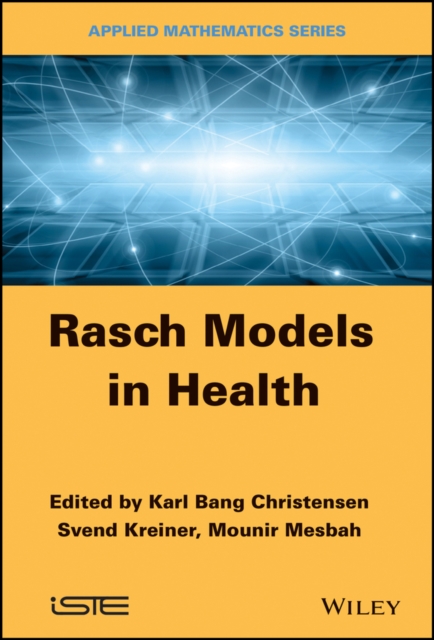
Rasch Models in Health
The family of statistical models known as Rasch models started with a simple model for responses to questions in educational tests presented together with a number of related models that the Danish mathematician Georg Rasch referred to as models for measurement.
eBook

The Danish Psychosocial Work Environment Questionnaire (DPQ)
Objectives The aim of this study was to describe the development and the content of the Danish Psychosocial Work Environment Questionnaire (DPQ) and to test its reliability and validity. Methods We describe the identification of dimensions, the development of items, and the qualitative and quantitative tests of the reliability and validity of the DPQ. Reliability and validity of a 150 item version of the DPQ was evaluated in a stratified sample of 8958 employees in 14 job groups of which 4340 responded. Reliability was investigated using internal consistency and test-retest reliability. The factorial validity was investigated using confirmatory factor analysis (CFA). For each multi-item scale, we undertook CFA within each job group and multi-group CFA to investigate factorial invariance across job groups. Finally, using multi-group multi-factor CFA, we investigated whether scales were empirically distinct. Results Internal consistency reliabilities and test-retest reliabilities were satisfactory. Factorial validity of the multi-item scales was satisfactory within each of the 14 job groups. Factorial invariance was demonstrated for 10 of the 28 multi-item scales. The hypothesis that the scales of the DPQ were empirically distinct was supported. The final DPQ version consisted of 119 items covering 38 different psychosocial work environment dimensions. Conclusions Overall, the DPQ is a reliable and valid instrument for assessing psychosocial working conditions in a variety of job groups. The results indicate, however, that questions about psychosocial working conditions may be understood differently across job groups, which may have implications for the comparability of questionnaire-based measures of psychosocial working conditions across job groups.
Journal Article