
Catalogue Search | MBRL


Are you sure you want to remove the book from the shelf?

{{itemTitle}}
71
result(s) for
"Ciarlo, David"
Sort by:

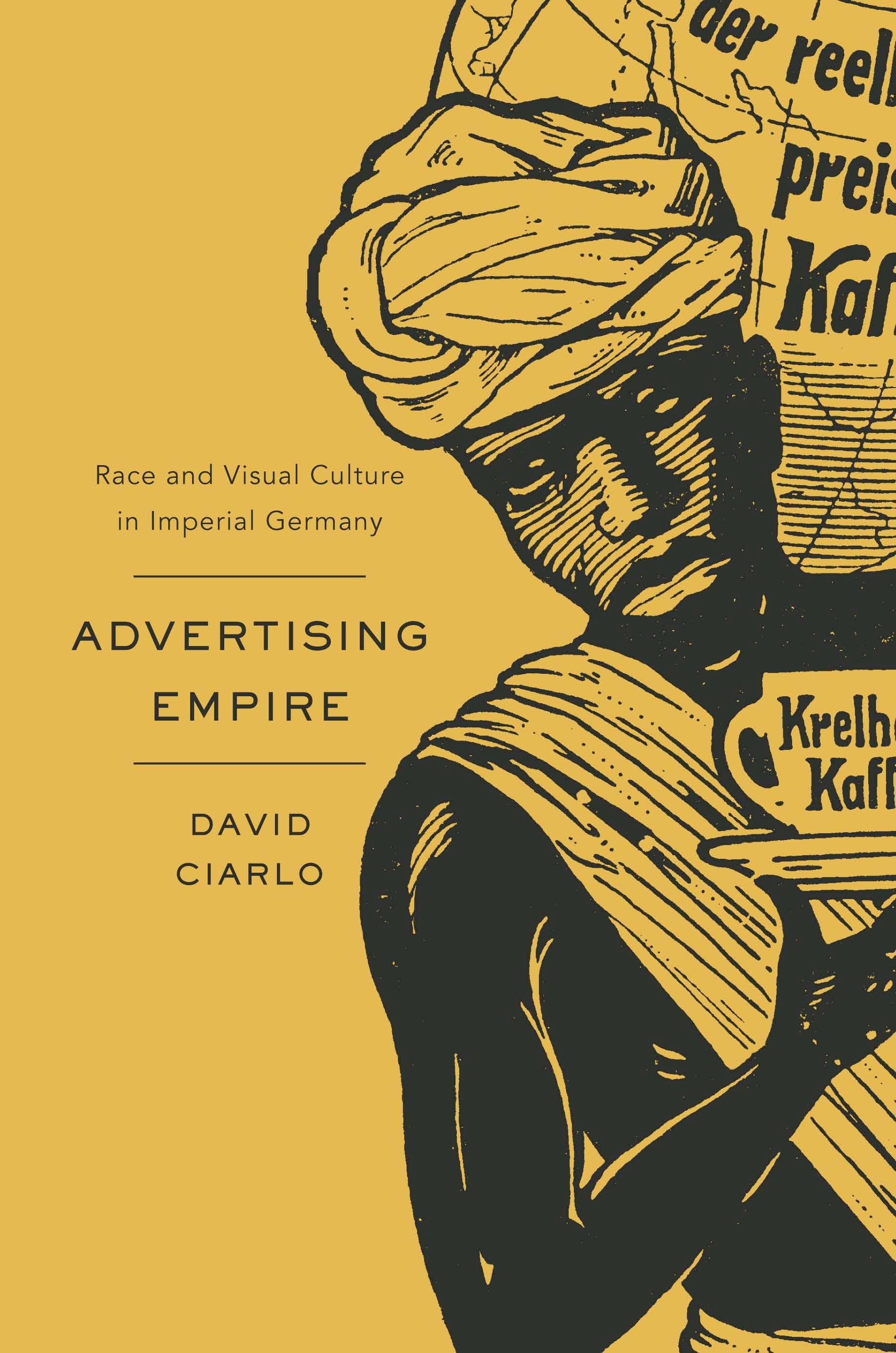

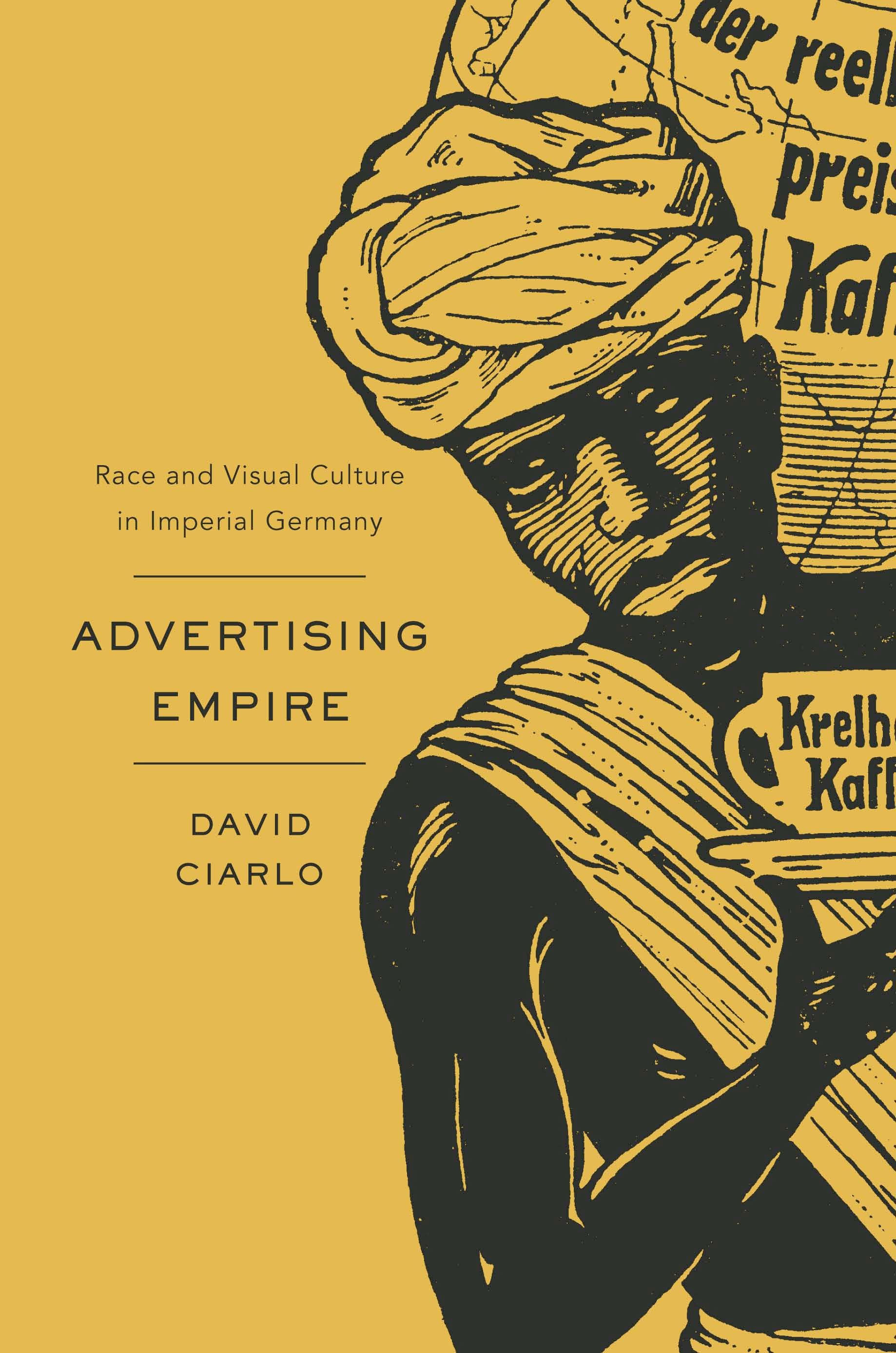
Advertising empire : race and visual culture in imperial Germany
At the end of the nineteenth century, Germany turned toward colonialism, establishing protectorates in Africa, and toward a mass consumer society, mapping the meaning of commodities through advertising. These developments, distinct in the world of political economy, were intertwined in the world of visual culture.
David Ciarlo offers an innovative visual history of each of these transformations. Tracing commercial imagery across different products and media, Ciarlo shows how and why the \"African native\" had emerged by 1900 to become a familiar figure in the German landscape, selling everything from soap to shirts to coffee. The racialization of black figures, first associated with the American minstrel shows that toured Germany, found ever greater purchase in German advertising up to and after 1905, when Germany waged war against the Herero in Southwest Africa. The new reach of advertising not only expanded the domestic audience for German colonialism, but transformed colonialism's political and cultural meaning as well, by infusing it with a simplified racial cast.
The visual realm shaped the worldview of the colonial rulers, illuminated the importance of commodities, and in the process, drew a path to German modernity. The powerful vision of racial difference at the core of this modernity would have profound consequences for the future.
eBook


Advertising Empire
In the last decades of the nineteenth century Germany made the move towards colonialism, with the first German protectorates in Africa. At the same time, Germany was undergoing the transformation to a mass consumer society. As Ciarlo shows, these developments grew along with one another, as the earliest practices of advertising drew legitimacy from the colonial project, and around the turn of the century, commercial imagery spread colonial visions to a mass audience. Arguing that visual commercial culture was both reflective and constitutive of changing colonial relations and of racial hierarchies, Advertising Empire constructs what one might call a genealogy of black bodies in German advertising. At the core of the manuscript is the identification of visual tropes associated with black bodies in German commercial culture, ranging from colonial and ethnographic exhibits, to poster art, to advertising. Stereotypical images of black bodies in advertising coalesced, the manuscript argues, in the aftermath of uprisings against German colonial power in Southwest and East Africa in the early 20th century. As Advertising Empire shows for Germany, commercial imagery of racialized power relations simplified the complexities of colonial power relations. It enshrined the inferiority of blacks as compared to whites as one key image associated with the birth of mass consumer society.
eBook