
Catalogue Search | MBRL


Are you sure you want to remove the book from the shelf?

{{itemTitle}}
3
result(s) for
"Connelly, Mark, editor"
Sort by:


Propaganda, Power and Persuasion
As Philip Taylor has written, ‘The challenge (of the modern information age) is to ensure that no single propaganda source gains monopoly over the information and images that shape our thoughts. If this happens, the war propagandists will be back in business again.’ Propaganda came of age in the Twentieth Century. The development of mass- and multi-media offered a fertile ground for propaganda while global conflict provided the impetus needed for its growth. Propaganda has however become a portmanteau word, which can be interpreted in a number of different ways. What are the characteristic features of propaganda, and how can it be defined? The distinguished contributors to this book trace the development of techniques of ‘opinion management’ from the First World War to the current conflict in Afghanistan. They reveal how state leaders and spin-doctors operating at the behest of the state, sought to shape popular attitudes - at home and overseas - endeavouring to harness new media with the objective of winning hearts and minds. The book provides compelling evidence of how the study and practice of propaganda today is shaped by its history.
eBook
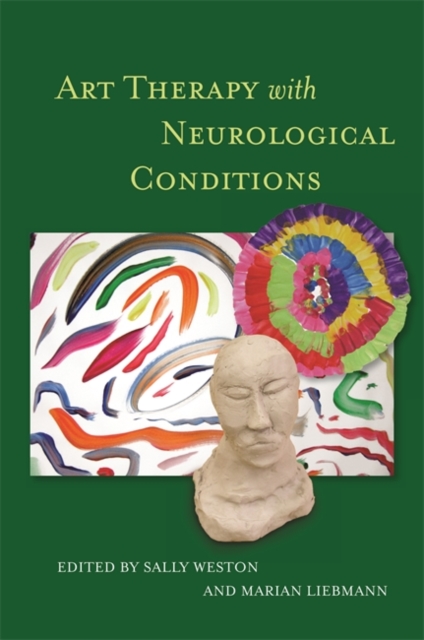
Art Therapy with Neurological Conditions
By creating a therapeutic outlet for self-expression and processing trauma, art therapy can play a powerful role in assisting people with a brain injury or neurological condition to adjust to living with altered abilities and ways of thinking.
Bringing together a wealth of expertise from specialists working with a range of conditions including epilepsy, dementia, acquired brain injury, motor neurone disease and multiple sclerosis, this book describes both the effects of the conditions and the ways in which art therapy has helped in the rehabilitation process. The book includes work with groups and individuals and with a wide range of settings and age groups, from children to older adults, and discusses the implications of research from neuroscience and neuropsychology.
This will be essential reading for art therapists and students working with neurological conditions. Other professionals working with people with neurological conditions such as psychotherapists and counsellors, doctors, nurses and complementary therapists will also find it of interest.
eBook