
Catalogue Search | MBRL


Are you sure you want to remove the book from the shelf?

{{itemTitle}}
1,123
result(s) for
"Cook, Steven A"
Sort by:
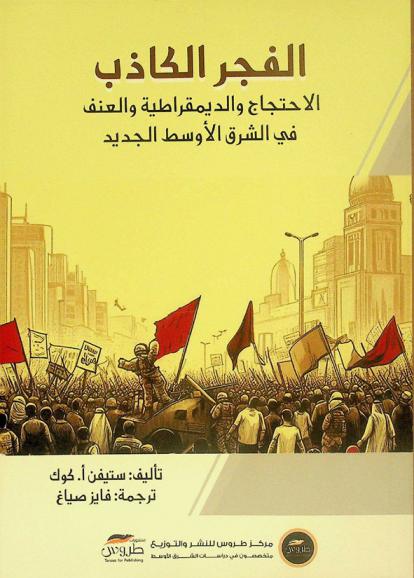
الفجر الكاذب : الاحتجاج والديمقراطية والعنف في الشرق الأوسط الجديد
هذا الكتاب هو فهم القوى السياسية والمؤسسية والبنيوية والتاريخية الكامنة التي ولدت السياسات المتقلبة الدموية والقمعية في المنطقة، في هذا الكتاب سنتقصى الكيفية التي تبددت بها التوقعات الطبيعية تماما بمستقبل ديمقراطي أفضل في الشرق الأوسط، بدءا بتلك الأيام المشهودة التي أعقبت رحيل زعيمين طال بهما العهد في المنطقة، وساد الاعتقاد بأنهما يمثلان النظامين الديكاتوريين الأكثر أمانا زين العابدين بن علي وحسني مبارك. وبعد استعراض نقدي للكيفية التي تكشفت بها واندلعت هذه الانتفاضات، سيصل القراء إلى الموضوع المحوري الذي يتناوله هذا الكتاب، وهو التفسير للفصل للأسباب التي حالت دون تحقيق الوعود الإصلاحية والتغييرات التقدمية، ونتائج هذا الفشل، وكيف أن الفجر الكاذب الذي انتهى إليه التغيير الديمقراطي في الشرق الأوسط سيؤدي على الأرجح إلى تحديد أنماط الأنشطة السياسية في المنطقة والدور الأمريكي في هذا السياق.
BOOK

Ruling, but not governing : the military and political development in Egypt, Algeria, and Turkey
Ruling But Not Governing highlights the critical role that the military plays in the stability of the Egyptian, Algerian, and, until recently, Turkish political systems. This in-depth study demonstrates that while the soldiers and materiel of Middle Eastern militaries form the obvious outer perimeter of regime protection, it is actually the less apparent, multilayered institutional legacies of military domination that play the decisive role in regime maintenance. Steven A. Cook uncovers the complex and nuanced character of the military's interest in maintaining a facade of democracy. He explores how an authoritarian elite hijack seemingly democratic practices such as elections, multiparty politics, and a relatively freer press as part of a strategy to ensure the durability of authoritarian systems. Using Turkey's recent reforms as a point of departure, the study also explores ways external political actors can improve the likelihood of political change in Egypt and Algeria. Ruling But Not Governing provides valuable insight into the political dynamics that perpetuate authoritarian regimes and offers novel ways to promote democratic change.
eBook
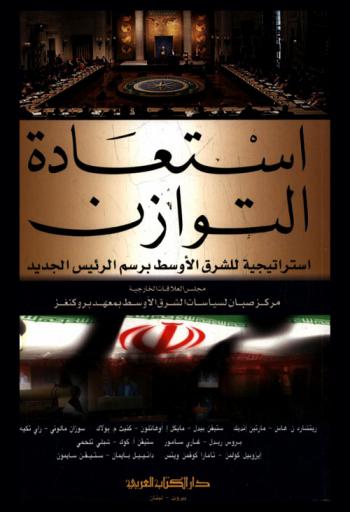
استعادة التوازن : استراتيجية للشرق الأوسط برسم الرئيس الجديد
لا شك في أن الرئيس الرابع والأربعين للولايات المتحدة الأميركية سيجد في انتظاره سلسلة من التحديات الحاسمة، المعقدة والمتشابكة في الشرق الأوسط، التي تتطلب إيلاءها اهتماما عاجلا. ذلك أن النموذج الذي اعتمده جورج بدليو بوش القائم على تغيير أنظمة الحكم ونشر الديمقراطية بالقوة لم يعد يتلاءم والظروف المتغيرة التي ستواجه الإدارة الجديدة على الأرجح الحاجة ماسة إذن لأفكار جديدة، وتحليلات غير حزبية، وتوصيات حصيفة. والكتاب الذي بين أيديكم يفي بتلك الحاجة على أفضل وجه. في اتسعادة التوازن، تتضافر جهود الخبراء والمختصين بشؤون الشرق الأوسط من مجلس العلاقات الخارجية ومركز صبان لسياسة الشرق الأوسط بمعهد بروكنغز، لتطرح استراتيجية أميركية جديدة لمنظمة حيوية لكن متفجرة كالشرق الأوسط فبناء على أبحاث ميدانية معنقة، قام هؤلاء الخبراء ببلورة مجموعة من التوصيات السياسية برسم الرئيس الأميركي الجديد وقد قامت بفحصها وتمحيصها ونقدها هيئة من المختصين من كلا الحزبين يتمتعون بخبرة سياسية واسعة ومعرفة غنية بالمنطقة، هذا التمرين في تخطيط السياسات الذي استغرق سنة كاملة هو الأول من نوعه على الإطلاق، الذي يوحد جهود وقدرات العاملين في هاتين المؤسستين المحترمتين بالسياسة الخارجية لتنصب على درس وتحليل واحدة من أخطر وأهم مناطق العالم. وكل فصل من هذا الكتاب يستضيف اثنين أو أكثر من الباحثين في مجلس العلاقات الخارجية ومعهد بروكنغز لمعاينة واستعراض التحديات التي ستواجه الرئيس المقبل.
Book


Referendums and the Institutionalization of Authoritarianism in Turkey
[...]the amendment on the judiciary was rolled up neatly with other proposed changes, including hard-to-oppose provisions for the protection of children's rights, freedom of residence and movement, the right of appeal, the right to petition, and the right to acquire information.10 The amendment passed by a wide margin: of the 77 percent of eligible voters who cast a ballot, 58 percent voted in favor and 42 percent voted against.11 One need not look too hard to find instances where the Turkish leadership used the judiciary and prosecutors for its political advantage. [...]a two-thirds majority would be needed to ratify a constitution without the public's input.13 When two general elections in 2015 only produced a simple majority for the AKP, the Turkish president was forced to settle for a referendum on select constitutional amendments. [...]the executive presidency is intended to protect the AKP's project, allowing Erdoğan to \"command the state and the political arena in ways that Turkish presidents, who are supposed to be above the fray and by tradition are expected to carry out their limited but important powers in statesmanlike fashion, never have. [...]the party's leadership can be expected to leverage the rules of the game to ensure this position of privilege.24 The deployment of referendums laid the groundwork for what will inevitably lead to Erdoğanism.F7 Leaders also control the timing of referendums, deploy information strategically about the issues at stake, and devise the question to be asked.
Journal Article

The struggle for Egypt : from Nasser to Tahrir Square
The recent revolution in Egypt has shaken the Arab world to its roots. The most populous Arab country and the historical center of Arab intellectual life, Egypt is a linchpin of the US's Middle East strategy, receiving more aid than any nation except Israel. This is not the first time that the world and has turned its gaze to Egypt, however. A half century ago, Egypt under Nasser became the putative leader of the Arab world and a beacon for all developing nations. Yet in the decades prior to the 2011 revolution, it was ruled over by a sclerotic regime plagued by nepotism and corruption. During that time, its economy declined into near shambles, a severely overpopulated Cairo fell into disrepair, and it produced scores of violent Islamic extremists such as Ayman al-Zawahiri and Mohammed Atta. This book explains how this parlous state of affairs came to be, why the revolution occurred, and where Egypt might be headed next. A sweeping account of Egypt in the modern era, it incisively chronicles all of the nation's central historical episodes: the decline of British rule, the rise of Nasser and his quest to become a pan-Arab leader; Egypt's decision to make peace with Israel and ally with the United States; the assassination of Sadat; the emergence of the Muslim Brotherhood; and finally the demonstrations that convulsed Tahrir Square and overthrew an entrenched regime. Throughout Egypt's history, there has been an intense debate to define what Egypt is, what it stands for, and its relation to the world. Egyptians now have an opportunity finally to answer these questions. Doing so in a way that appeals to the vast majority of Egyptians, the book notes, will be difficult but ultimately necessary if Egypt is to become an economically dynamic and politically vibrant society.
eBook


THE PROMISE OF PACTS
Given the apparent standoff between Arab leaders willing to undertake only superficial reforms and counterelites demanding fundamental institutional change, some creative tools will need to be employed in order to facilitate the \"extrication\" phase. One such tool is \"democracy with guarantees,\" which can be established via transition \"pacts\" between regime leaders and the opposition. Such pacts, or power-sharing arrangements, seek to ensure a gradual and long-term political transition by securing the survival and protecting the interests of all those involved. Here, Cook examines the prospects for achieving democratic transitions through \"pacts\"--agreements between government and opposition that seek to draw rulers into real reform by guaranteeing them a gradual, peaceful, and honorable exit from power.
Journal Article
Mistaking Data for 'Theory'
The very willingness of the Egyptian, Jordanian, Syrian, Bahraini, and Saudi regimes to engage in both potentially destabilizing rounds of repression and projects to revise laws and regulations in order to make it harder for Arab activists to organize is a clear indication that rulers believe the status quo is under assault. From time to time analysts have sought to apply the experiences of these regions to other parts of the world in an effort to generate new insights about democratic change and authoritarian stability.
Journal Article
Getting to Arab Democracy: The Promise of Pacts
Power-sharing pacts and democracy with guarantees are far from perfect. Still, both Western policy makers and Arab reformers should take a long-term view of democratic change in the Arab world. Not only do pacts hold out the promise of drawing Arab leaders into political reform, but by lengthening the transition process, they can also help lay the foundations for the successful consolidation of democratic institutions. While power-sharing arrangements may be deeply unsatisfying for some Arab reformers, such political deals can significantly increase the likelihood both that liberal opposition activists will survive and that democracy will take root in the Middle East.
Journal Article