
Catalogue Search | MBRL


Are you sure you want to remove the book from the shelf?

{{itemTitle}}
2
result(s) for
"Crawford, Stacey, author"
Sort by:

Keto in an instant : 100 ketogenic recipes for your Instant Potھ
Keto in an Instant features over 100 ketogenic recipes all designed to be made in the Instant Pot. Each recipe includes key nutritional data for keto followers, as well as clear, detailed instructions for using the Instant Pot to create the recipes. In addition to the recipes, readers will gain insight on how the ketogenic diet works, and benefit from practical guidance for following a ketogenic eating plan. Also included is useful information on using and maintaining the Instant Pot, tips and tricks for using the Instant Pot in the kitchen, and much more.-- Amazon.
Book
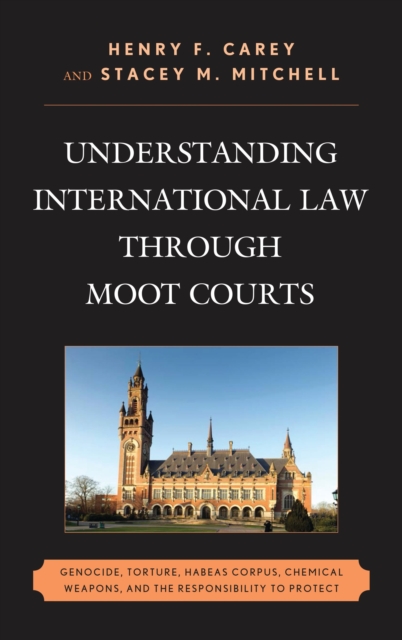
Understanding international law through moot courts
Understanding International Law through Moot Courts: Genocide, Torture, Habeas Corpus, Chemical Weapons, and the Responsibility to Protect consists of five sets of opposing legal briefs and judge’s decisions for five moot court cases held before the International Court of Justice and the International Criminal Court. Each moot court brief included in the book addresses contemporary controversies in international affairs; issues ranging from the application of the newly emerging Responsibility to Protect (R2P) doctrine, to the torture of detainees, to the derogation from international due process protections. These moot court briefs and case judgments help students formulate legal arguments that will be applicable to other similar cases. They also provide students with excellent sources of international and domestic law, as well as greater comprehension of topics ranging from jurisdictional disputes to matters of evidence. Chapter 1 of the book provides an overview of the book as well as instructions regarding the construction of a moot court. Chapter two, by George Andreopoulos discusses the interrelationship between human rights and international criminal law. Chapters 3 through 7 are the cases. The introduction to each chapter (and subsequently each case) lays out the facts of the case in question, discusses (where applicable) issues associated with the material and contextual elements of the crimes(s) in question, provides additional topics for classroom discussion, and also places the issues of contention between the parties within the broader context of foreign affairs and international relations. After each set of briefs and legal judgments is an appendix which includes an example moot court, as well as an appendix that includes a set of alterable facts that students and faculty could adopt to change the general legal argument of the particular case.
eBook