
Catalogue Search | MBRL


Are you sure you want to remove the book from the shelf?

{{itemTitle}}
18
result(s) for
"Davidson, Michael author"
Sort by:


Concerto for the left hand
Concerto for the Left Hand is at the cutting edge of the expanding field of disability studies, offering a wide range of essays that investigate the impact of disability across various art forms—including literature, performance, photography, and film. Rather than simply focusing on the ways in which disabled persons are portrayed, Michael Davidson explores how the experience of disability shapes the work of artists and why disability serves as a vital lens through which to interpret modern culture. Covering an eclectic range of topics—from the phantom missing limb in film noir to the poetry of American Sign Language—this collection delivers a unique and engaging assessment of the interplay between disability and aesthetics. Written in a fluid, accessible style, Concerto for the Left Hand will appeal to both specialists and general audiences. With its interdisciplinary approach, this book should appeal not only to scholars of disability studies but to all those working in minority art, deaf studies, visual culture, and modernism.
eBook


Fundamentals of light microscopy and electronic imaging
Fundamentals of Light Microscopy and Electronic Imaging, Second Edition provides a coherent introduction to the principles and applications of the integrated optical microscope system, covering both theoretical and practical considerations.
eBook


Robert Duncan, The Ambassador from Venus
This definitive biography gives a brilliant account of the life and art of Robert Duncan (1919–1988), one of America’s great postwar poets. Lisa Jarnot takes us from Duncan’s birth in Oakland, California, through his childhood in an eccentrically Theosophist household, to his life in San Francisco as an openly gay man who became an inspirational figure for the many poets and painters who gathered around him. Weaving together quotations from Duncan’s notebooks and interviews with those who knew him, Jarnot vividly describes his life on the West Coast and in New York City and his encounters with luminaries such as Henry Miller, Anaïs Nin, Tennessee Williams, James Baldwin, Paul Goodman, Michael McClure, H.D., William Carlos Williams, Denise Levertov, Robert Creeley, and Charles Olson.
eBook

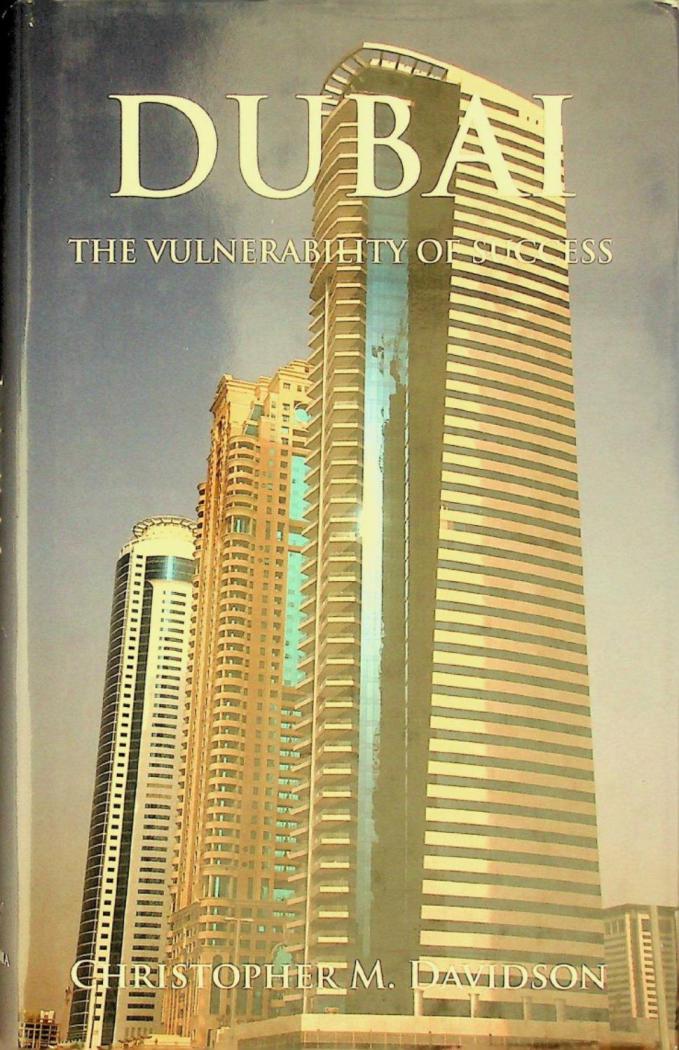
After the Sheikhs
Noted Gulf expert Christopher Davidson contends that the collapse of these kings, emirs, and sultans is going to happen, and was always going to.
eBook

Contesting Illness
The relationship between power and illness is the subject of limited discussion despite it being one of the most important issues in health-related policies and services. In an effort to correct this,Contesting Illnessengages critically with processes through which the meanings and effects of illness shape and are shaped by specific sets of practices. Featuring original contributions by researchers working in a number of disciplines, this collection examines intersections of power, contestation, and illness with the aid of various critical theoretical frameworks and methodological approaches.
The contributors explore experiences of illness, diagnosis, and treatment, and analyse wider discursive and policy contexts within which people become ill and engage with health care systems. Though each essay is unique in its approach, they are linked together by a shared focus on contestation as a conceptual tool in considering the relationship between power and illness. Rather than focus on a single example, the contributors address different contested illnesses (chronic fatigue syndrome and environmental illness, for instance) as well as the contested dimensions of illnesses that are accepted as legitimate such as cancer and autism. Contesting Illness offers valuable insights into the assumptions, practices, and interactions that shape illness in the twenty-first century.
ContributorsJan AngusPia H. BülowPeter ConradJoyce DavidsonHelen GremillionMaren KlawiterJoshua KelleySteve Kroll-SmithKatherine LippelPamela MossMichael OrsiniMichael J. PrinceAnnie PottsMary Ellen PurkisSharon Dale StoneCheryl StultsKatherine TeghtsoonianJane M. UssherCatherine van Mossel
eBook