
Catalogue Search | MBRL


Are you sure you want to remove the book from the shelf?

{{itemTitle}}
5
result(s) for
"Devy, G. N., 1950-"
Sort by:

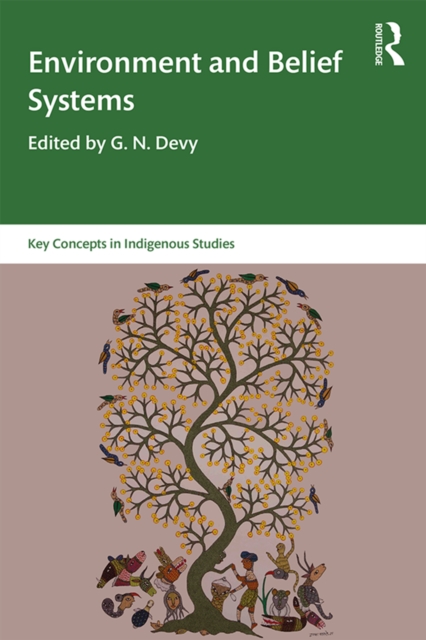
Environment and Belief Systems
Part of the series Key Concepts in Indigenous Studies, this book focuses on the concepts that recur in any discussion of nature, culture and society among the indigenous.
The book, the first in a five-volume series, deals with the two crucial concepts of environment and belief systems of indigenous peoples from all the continents of the world. With contributions from renowned scholars, activists and experts from around the globe, it presents a salient picture of the environments of indigenous peoples and discusses the essential features of their belief systems. It explores indigenous perspectives related to religion, ritual and cultural practice, art and design, and natural resources, as well as climate change impacts among such communities in Latin and North America, Oceania (Australia, New Zealand and the South Pacific Islands), India, Brazil, Southeast Asia and Africa.
Bringing together academic insights and experiences from the ground, this unique book's wide coverage will serve as a comprehensive guide for students, teachers and scholars of indigenous studies. It will be essential reading for those in anthropology, social anthropology, sociology and social exclusion studies, religion and theology, and cultural studies, as well as activists working with indigenous communities.
eBook
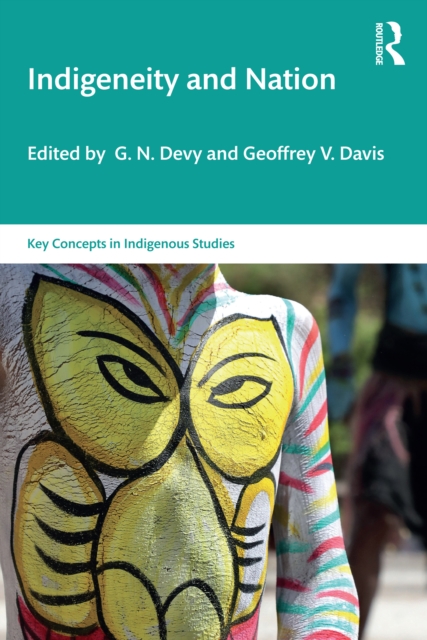
Indigeneity and Nation
Part of the series Key Concepts in Indigenous Studies, this book focuses on the concepts that recur in any discussion of nature, culture and society among the Indigenous.
The book, the third in a five-volume series, deals with the two key concepts of indigeneity and nation of Indigenous people from all the continents of the world. With contributions from renowned scholars, activists and experts across the globe, it looks at issues and ideas of indigeneity, nationhood, nationality, State, identity, selfhood, constitutionalism and citizenship in Africa, North America, New Zealand, Pacific Islands and Oceania, India and Southeast Asia from philosophical, cultural, historical and literary points of view.
Bringing together academic insights and experiences from the ground, this unique book with its wide coverage will serve as a comprehensive guide for students, teachers and scholars of Indigenous studies. It will be essential reading for those in social and cultural anthropology, tribal studies, sociology and social exclusion studies, politics, religion and theology, cultural studies, literary and postcolonial studies, Third World and Global South studies, as well as activists working with Indigenous communities.
eBook
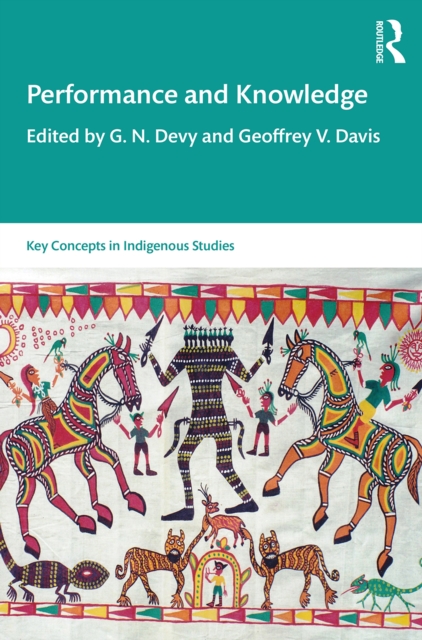
Performance and Knowledge
Part of the series Key Concepts in Indigenous Studies, this book focuses on the concepts that recur in any discussion of nature, culture and society among the indigenous. This final volume in the five-volume series deals with the two key concepts of performance and knowledge of the indigenous people from all continents of the world. With contributions from renowned scholars, activists and experts across the globe, it looks at issues and ideas of the indigenous peoples in the context of imagination, creativity, performance, audience, arts, music, dance, oral traditions, aesthetics and beauty in North America, South America, Australia, East Asia and India from cultural, historical and aesthetic points of view.
Bringing together academic insights and experiences from the ground, this unique book, with its wide coverage, will serve as a comprehensive guide for students, teachers and scholars of indigenous studies. It will be essential reading for those in social and cultural anthropology, tribal studies, sociology and social exclusion studies, cultural studies, media studies and performing arts, literary and postcolonial studies, religion and theology, politics, Third World and Global South studies, as well as activists working with indigenous communities.
eBook
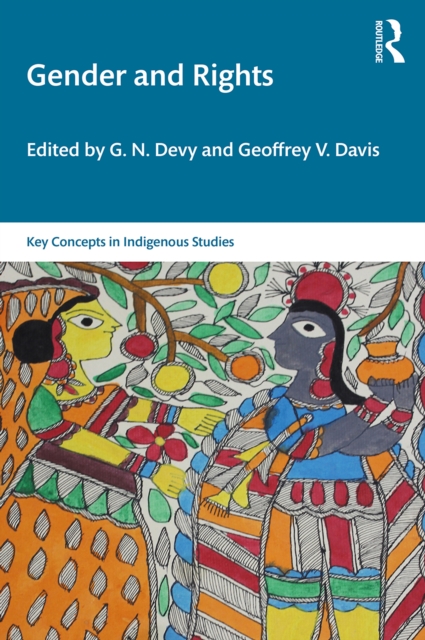
Gender and Rights
Part of the series Key Concepts in Indigenous Studies, this book focuses on the concepts that recur in any discussion of nature, culture and society among the indigenous.
This book, the second in a five-volume series, deals with the two key concepts of gender and rights of indigenous peoples from all continents of the world. With contributions from renowned scholars, activists and experts across the globe, it looks at issues of indigenous human rights, gender justice, repression, resistance, resurgence and government policies in Canada, Latin America, North America, Australia, India, Brazil, Southeast Asia and Africa.
Bringing together academic insights and experiences from the ground, this unique book with its wide coverage will serve as a comprehensive guide for students, teachers and scholars of indigenous studies. It will be essential reading for those in gender studies, human rights and law, social and cultural anthropology, tribal studies, sociology and social exclusion studies, religion and theology, cultural studies, literary and postcolonial studies, Third World and Global South studies, as well as activists working with Indigenous communities.
eBook