
Catalogue Search | MBRL


Are you sure you want to remove the book from the shelf?

{{itemTitle}}
2,876
result(s) for
"During, Emmanuel H"
Sort by:

Sodium oxybate in treatment-resistant rapid-eye-movement sleep behavior disorder
Abstract
Study Objectives
Symptomatic therapies for rapid-eye-movement (REM) sleep behavior disorder (RBD) are limited. Sodium oxybate (SXB), a gamma-aminobutyric acid (GABA)-B agonist, could be effective but has not been evaluated against placebo.
Methods
This double-blind, parallel-group, randomized, placebo-controlled trial in 24 participants was conducted at the Stanford Sleep Center. Patients were adults with definite iRBD or Parkinson’s disease and probable RBD (PD-RBD), and persistence of ≥ 2 weekly episodes despite standard therapy. Patients were randomized 1:1 to receive SXB during a 4-week titration followed by a 4-week stable dosing period. Primary outcome was number of monthly RBD episodes according to a diary filled by patients and partners. Secondary outcomes were severity, number of severe RBD episodes, and objective RBD activity on video polysomnography.
Results
Twelve iRBD and 12 PD-RBD participated (mean 65.8 years), and 22 (n = 10 SXB, 12 placebo) completed the study. Although no significant between-group difference was found, SXB showed reduction of monthly RBD episodes by 23.1 (95% CI −36.0, −10.2; p = 0.001) versus 10.5 with placebo (95% CI, −22.6, 1.6; p = 0.087). Improvement from baseline was similarly observed for RBD overall severity burden (each episode weighted for severity), number of severe episodes, and objective RBD activity per video-polysomnography. Two participants receiving SXB withdrew due to anxiety and dizziness. The majority of adverse events are otherwise resolved with dose adjustment.
Conclusion
SXB could reduce RBD symptoms; however, response was inconsistent and a large placebo effect was observed across patient-reported outcomes. Larger studies using objective endpoints are needed.
Clinical Trial
Treatment of REM Sleep Behavior Disorder (RBD) With Sodium Oxybate
https://clinicaltrials.gov/ct2/show/NCT04006925 ClinicalTrials.gov identifier: NCT04006925
Graphical abstract
Graphical Abstract
Journal Article
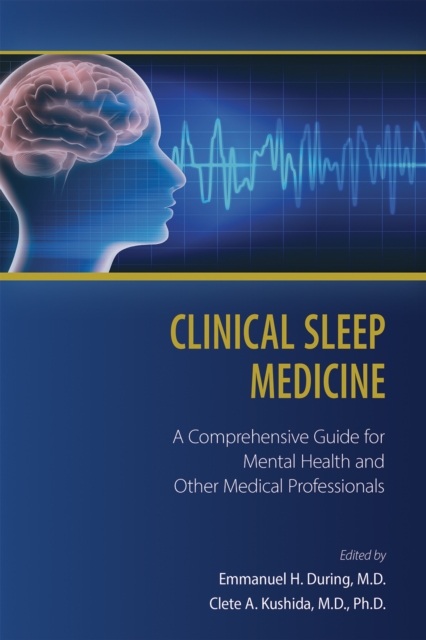
Clinical Sleep Medicine
Featuring the contributions of more than two dozen national and international experts, Clinical Sleep Medicine: A Comprehensive Guide for Mental Health and Other Medical Professionals is the definitive resource to the core concepts of sleep medicine. With the most up-to-date information and the latest guidelines, this guide summarizes the pathophysiological mechanisms, epidemiology, clinical presentations, and management of adult and pediatric sleep disorders, including • Insomnia• Hypersomnia• Sleep-disordered breathing• Circadian disorders• Parasomnias• Sleep-related movement disorders
New concepts, emerging evidence, and aspects that require further research are highlighted specifically throughout the book and discussed at length. Concise chapters promote ease of reference and feature a section on differential diagnosis so that readers can distinguish among the various diseases and disorders. Where certain disorders overlap, the guide provides cross-references to relevant information. Numerous illustrations, tables, and schematics aid in the rapid understanding and assimilation of even the most complex concepts.
With a small format that belies its comprehensiveness, Clinical Sleep Medicine is an indispensable, on-the-go reference for clinicians, researchers, nonmedical professionals, and even patients themselves.
eBook

Comparison of EMG, Video, and Actigraphy Signals for Detecting Motor Activity in REM Sleep Behavior Disorder
Background: Electromyography (EMG), video-polysomnography (vPSG), and wrist actigraphy are each used to develop diagnostic algorithms for rapid-eye-movement sleep behavior disorder (RBD). However, the extent to which they capture overlapping versus distinct motor phenomena remains unknown. We evaluated the respective contributions of actigraphy, EMG and vPSG to the measurement of REM sleep motor activity. Methods: Seventeen adults with RBD (Mount Sinai n = 9; Stanford n = 8) and eight control participants from an open Newcastle dataset underwent vPSG and concomitant wrist actigraphy. Flexor digitorum superficialis EMG activity and video-detected movements were manually scored in 3 s mini epochs. Actigraphy was quantified using an acceleration-magnitude-based activity count model. Statistical and agreement analyses were performed to assess the motor events captured by all three, any two, or by each modality independently during REM sleep. Results: In participants with RBD, actigraphy-derived movement load was significantly higher during REM sleep than during non-REM stages, a pattern not observed in control participants. REM movement load was also higher in RBD participants compared to controls, although this difference did not remain significant after correction for multiple comparisons. Across 12,941 3 s mini epochs, EMG, actigraphy, and video detected 1703, 1613, and 811 motor events, of which 413 were detected concurrently by all three modalities. Pairwise agreement was moderate and increased from EMG–actigraphy (κ = 0.27 ± 0.10) to actigraphy–video (κ = 0.41 ± 0.12) and EMG–video (κ = 0.45 ± 0.15). Of EMG-detected events, 49.0% were also detected by actigraphy; of actigraphy-detected events, 37.2% were detected by EMG and 34.9% by video. Actigraphy activity counts were highest for events detected by all three modalities and lowest for actigraphy-only events. Conclusions: Actigraphy-measured REM-related motor activity was elevated in RBD but not in controls. EMG, actigraphy, and video captured partially overlapping motor events in RBD patients, with actigraphy showing the highest sensitivity and manually scored video the lowest.
Journal Article

Sleep Issues in Parkinson's Disease and Their Management
Parkinson's disease (PD) is an alpha-synucleinopathy that leads to prominent motor symptoms including tremor, bradykinesia, and postural instability. Nonmotor symptoms including autonomic, neurocognitive, psychiatric symptoms, and sleep disturbances are also seen frequently in PD. The impact of PD on sleep is related to motor and nonmotor symptoms, in addition to the disruption of the pathways regulating sleep by central nervous system pathology. Rapid eye movement sleep behavior disorder is a parasomnia that can lead to self-injury and/or injury to partners at night. Restless legs syndrome is a subjective sensation of discomfort and urge to move the legs prior to falling asleep and can lead to insomnia and reduced sleep quality. Excessive daytime sleepiness is common in PD and exerts a negative impact on quality of life in addition to increasing the risk of falls. Obstructive sleep apnea is a breathing disorder during sleep that can cause frequent awakenings and excessive daytime sleepiness. Circadian rhythm dysfunction can lead to an advanced or delayed onset of sleep in patients and create disruption of normal sleep and wake times. All of these disorders are common in PD and can significantly reduce sleep quantity, sleep quality, or quality of life for patients and caretakers. Treatment approaches for each of these disorders are distinct and should be individualized to the patient. We review the literature regarding these common sleep issues encountered in PD and their treatment options.
Journal Article

Management of REM sleep behavior disorder: an American Academy of Sleep Medicine clinical practice guideline
Introduction:
This guideline establishes clinical practice recommendations for the management of rapid eye movement sleep behavior disorder (RBD) in adults.
Methods:
The American Academy of Sleep Medicine (AASM) commissioned a task force of experts in sleep medicine to develop recommendations and assign strengths based on a systematic review of the literature and an assessment of the evidence using Grading of Recommendations, Assessment, Development and Evaluation methodology. The task force provided a summary of the relevant literature and the certainty of evidence, the balance of benefits and harms, patient values and preferences, and resource use considerations that support the recommendations. The AASM Board of Directors approved the final recommendations.
Good Practice Statement:
The following good practice statement is based on expert consensus, and its implementation is necessary for the appropriate and effective management of patients with RBD: It is critically important to help patients maintain a safe sleeping environment to prevent potentially injurious nocturnal behaviors. In particular, the removal of bedside weapons, or objects that could inflict injury if thrown or wielded against a bed partner, is of paramount importance. Sharp furniture like nightstands should be moved away or their edges and headboard should be padded. To reduce the risk of injurious falls, a soft carpet, rug, or mat should be placed next to the bed. Patients with severe, uncontrolled RBD should be recommended to sleep separately from their partners, or at the minimum, to place a pillow between themselves and their partners.
Recommendations:
The following recommendations, with medications listed in alphabetical order, are a guide for clinicians in choosing a specific treatment for RBD in adults. Each recommendation statement is assigned a strength (“strong” or “conditional”). A “strong” recommendation (ie, “We recommend…”) is one that clinicians should follow under most circumstances. A “conditional” recommendation (ie, “We suggest…”) is one that requires that the clinician use clinical knowledge and experience and strongly consider the patient’s values and preferences to determine the best course of action.
Adult patients with isolated RBD
The AASM suggests that clinicians use clonazepam (vs no treatment) for the treatment of isolated RBD in adults. (CONDITIONAL)
* The AASM suggests that clinicians use immediate-release melatonin (vs no treatment) for the treatment of isolated RBD in adults. (CONDITIONAL)
* The AASM suggests that clinicians use pramipexole (vs no treatment) for the treatment of isolated RBD in adults. (CONDITIONAL)
The AASM suggests that clinicians use transdermal rivastigmine (vs no treatment) for the treatment of isolated RBD in adults with mild cognitive impairment. (CONDITIONAL)
Adult patients with secondary RBD due to medical condition
* The AASM suggests that clinicians use clonazepam (vs no treatment) for the treatment of secondary RBD due to medical condition in adults. (CONDITIONAL)
* The AASM suggests that clinicians use immediate-release melatonin (vs no treatment) for the treatment of secondary RBD due to medical condition in adults. (CONDITIONAL)
The AASM suggests that clinicians use transdermal rivastigmine (vs no treatment) for the treatment of secondary RBD due to medical condition (Parkinson disease) in adults. (CONDITIONAL)
* The AASM suggests that clinicians
not
use deep brain stimulation (DBS; vs no treatment) for the treatment of secondary RBD due to medical condition in adults. (CONDITIONAL)
Adult patients with drug-induced RBD
* The AASM suggests that clinicians use drug discontinuation (vs drug continuation) for the treatment of drug-induced RBD in adults. (CONDITIONAL)
* The Recommendations section of this paper includes remarks that provide additional context to guide clinicians with implementation of this recommendation.
Citation:
Howell M, Avidan AY, Foldvary-Schaefer N, et al. Management of REM sleep behavior disorder: An American Academy of Sleep Medicine clinical practice guideline.
J Clin Sleep Med.
2023;19(4):759–768.
Journal Article

Kleine-Levin syndrome is associated with birth difficulties and genetic variants in the TRANK1 gene loci
Kleine-Levin syndrome (KLS) is a rare disorder characterized by severe episodic hypersomnia, with cognitive impairment accompanied by apathy or disinhibition. Pathophysiology is unknown, although imaging studies indicate decreased activity in hypothalamic/thalamic areas during episodes. Familial occurrence is increased, and risk is associated with reports of a difficult birth. We conducted a worldwide case−control genome-wide association study in 673 KLS cases collected over 14 y, and ethnically matched 15,341 control individuals. We found a strong genome-wide significant association (rs71947865, Odds Ratio [OR] = 1.48, P = 8.6 × 10⁻⁹) within the 3′region of TRANK1 gene locus, previously associated with bipolar disorder and schizophrenia. Strikingly, KLS cases with rs71947865 variant had significantly increased reports of a difficult birth. As perinatal outcomes have dramatically improved over the last 40 y, we further stratified our sample by birth years and found that recent cases had a significantly reduced rs71947865 association. While the rs71947865 association did not replicate in the entire follow-up sample of 171 KLS cases, rs71947865 was significantly associated with KLS in the subset follow-up sample of 59 KLS cases who reported birth difficulties (OR = 1.54, P = 0.01). Genetic liability of KLS as explained by polygenic risk scores was increased (pseudo R² = 0.15; P < 2.0 × 10⁻²² at P = 0.5 threshold) in the follow-up sample. Pathway analysis of genetic associations identified enrichment of circadian regulation pathway genes in KLS cases. Our results suggest links between KLS, circadian regulation, and bipolar disorder, and indicate that the TRANK1 polymorphisms in conjunction with reported birth difficulties may predispose to KLS.
Journal Article

Drug Treatment of Restless Legs Syndrome in Older Adults
Restless legs syndrome (RLS) has a high prevalence in the elderly and can impact sleep quality and sleep quantity, reduce quality of life (QoL), and increase the risk of falls during episodes of night-time ambulation. In patients unable to verbalize their sensory symptoms, certain behavioral cues may help with the diagnosis. A state of brain iron deficiency could play a central role in the pathophysiology of RLS and be upstream to a series of dysfunctions that are not limited to the dopaminergic system. Management should initially emphasize lifestyle modifications and reduction of all possible iatrogenic contributors while maintaining a state of normal–high peripheral iron stores. Oral iron, in patients with ferritin levels < 75 μg/dL, appears to be effective, although iron infusions should be considered when more immediate benefit or oral iron have not been effective. When other attempts fail and patients continue to experience chronic RLS symptoms substantially interfering with QoL, pharmacological agents may present a favorable benefit versus risk profile. Such agents may include α-2-δ drugs or dopaminergic agents, after careful consideration of the risk of RLS augmentation with the latter class. In patients with established RLS augmentation from the use of dopaminergic drugs, the addition of α-2-δ agents or low-dose opioids, with subsequent slow tapering of dopaminergic agents, is recommended. With any of these agents, caution should be made with regard to the risk of drug–drug interactions and altered pharmacokinetics in this fragile population. Although showing excellent long-term safety data in non-elderly adults with RLS, studies are needed to ascertain that such treatments are effective and well tolerated in older adults.
Journal Article
Management of REM sleep behavior disorder: an American Academy of Sleep Medicine systematic review, meta-analysis, and GRADE assessment
This systematic review provides supporting evidence for a clinical practice guideline for the management of rapid eye movement (REM) sleep behavior disorder in adults and children. The American Academy of Sleep Medicine commissioned a task force of 7 experts in sleep medicine. A systematic review was conducted to identify randomized controlled trials and observational studies that addressed interventions for the management of REM sleep behavior disorder in adults and children. Statistical analyses were performed to determine the clinical significance of critical and important outcomes. Finally, the Grading of Recommendations, Assessment, Development, and Evaluation (GRADE) process was used to assess the evidence for making recommendations. The literature search identified 4,690 studies; 148 studies provided data suitable for statistical analyses; evidence for 45 interventions is presented. The task force provided a detailed summary of the evidence assessing the certainty of evidence, the balance of benefits and harms, patient values and preferences, and resource use considerations.
Citation:
Howell M, Avidan AY, Foldvary-Schaefer N, et al. Management of REM sleep behavior disorder: An American Academy of Sleep Medicine systematic review, meta-analysis, and GRADE assessment.
J Clin Sleep Med
. 2023;19(4):769–810.
Journal Article

New Paradigm in the Management of REM Sleep Behavior Disorder
Purpose of Review
Rapid eye movement (REM) behavior disorder (RBD) is a complex parasomnia, with growing evidence showing that it represents a prodromal marker for the development of alpha-synuclein neurodegenerative disease. The treatment of RBD previously lacked strong evidence until now. In this paper, we aim to review the current and newly emerging options for the treatment of RBD.
Recent Findings
The best current evidence in the pharmacologic therapies for RBD is based on small clinical trials and case studies. Clonazepam and melatonin remain the initial standard of treatment and are used as an off-label for RBD. Additional pharmacologic agents have shown potential promise for controlling RBD symptoms, but more research is needed. Currently, large international initiatives such as the IRBDSG, the NAPS consortium, and the PPMI 2.0 are actually recruiting RBD patients into registries to better understand the pathophysiology of RBD, potential biomarkers that indicate phenoconversion to alpha-synuclein states, and to promote further research in neuroprotective trials for disease prevention.
Summary
The current literature highlights the exciting opportunities to conduct appropriately designed, large-scale, randomized, controlled trials to advance the management of RBD.
Journal Article
A Case-Based Approach to the Identification and Treatment of Sleep Disorders in Neurology Practice
Purpose of Review
We present a case-based approach to common sleep disorders encountered in the clinic.
Recent Findings
Sleep disorders are common in neurologic disease and may result from the disease itself or serve as a marker for potential neurologic disease. These include, but are not limited to, rapid eye movement sleep behavior disorder, restless legs syndrome, obstructive sleep apnea, and insomnia. A review of these disorders and their clinical presentation is presented. Treatment options and ethical considerations based on current research and clinical guidelines are reviewed and discussed.
Summary
Understanding of the pathophysiology and treatment of sleep disorders in neurologic disease continues to remain somewhat poorly understood. Though recent breakthroughs have helped to guide therapy for these disorders, research in these areas is needed. Consensus guidelines have been developed to help guide the physician and their management of common sleep disorders encountered in the clinic.
Journal Article