
Catalogue Search | MBRL


Are you sure you want to remove the book from the shelf?

{{itemTitle}}
2
result(s) for
"Dyer, Gwynne War"
Sort by:
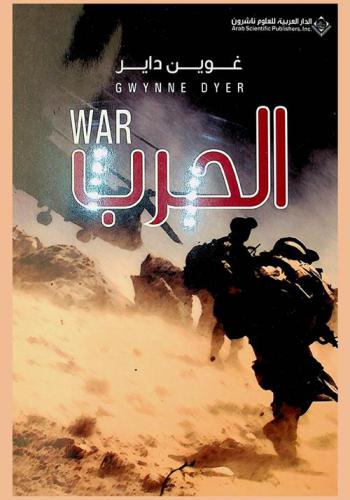
الحرب
يلخص الكاتب والمؤرخ العسكري الكندي غوين داير قراءته للحرب الدائرة على مر التاريخ الإنساني في كتابه \"الحرب\"، سواء أكانت تلك الحرب تجري على المستوى العربي أو العالمي ويبدأ الكتاب بما تشهده الساحة العالمية من تغيرات طرأت على المشهد العام خلال العقد المنصرم، وما يحدث الآن ويدرج قيام ما يطلق عليه \"تنظيم الدولة الإسلامية\" في أجزاء من سورية والعراق في هذا السياق، وهو المشهد الذي تعرضه وسائل الإعلام كحدث مفصلي مروع وفريد من نوعه في التاريخ العالمي.
BOOK

SLOW JUSTICE OVER SREBRENICA
What happened at Srebrenica on July 11, 1995, was an act of genocide, carried out with meticulous attention to detail by Serbian and Bosnian Serb troops after the Dutch military force that was supposed to defend the U.N.-declared \"safe area\" delivered almost the entire Muslim population of the town into their hands without a fight. Neither Muslims nor Croatians had any reason to apologize for the horrors at Srebrenica. Forgiveness and reconciliation must happen one day, but it cannot even get onto the agenda while the chief organizers of the Srebrenica genocide, former Bosnian Serb political leader Radovan Karazic and his military chief Gen. Ratko Mladic, are still free and still seen as heroes by many other Serbs. Both men have technically been on the run since NATO forces imposed a cease-fire and a kind of U.N. trusteeship on Bosnia in 1995, but they moved freely around Serbia until their patron, Serbian president Slobodan Milosevic, was overthrown and delivered into the hands of the U.N. in 2001. Even now, they are hidden and protected by many willing Serbs.
Newspaper Article