
Catalogue Search | MBRL


Are you sure you want to remove the book from the shelf?

{{itemTitle}}
117
result(s) for
"E. Taylor Atkins"
Sort by:


Primitive selves
This remarkable book examines the complex history of Japanese colonial and postcolonial interactions with Korea, particularly in matters of cultural policy. E. Taylor Atkins focuses on past and present Japanese fascination with Korean culture as he reassesses colonial anthropology, heritage curation, cultural policy, and Korean performance art in Japanese mass media culture. Atkins challenges the prevailing view that imperial Japan demonstrated contempt for Koreans through suppression of Korean culture. In his analysis, the Japanese preoccupation with Koreana provided the empire with a poignant vision of its own past, now lost--including communal living and social solidarity--which then allowed Japanese to grieve for their former selves. At the same time, the specific objects of Japan's gaze--folk theater, dances, shamanism, music, and material heritage--became emblems of national identity in postcolonial Korea.
eBook

A history of popular culture in Japan : from the seventeenth century to the present
\"The first historical overview of popular culture in Japan from its origins in the 17th century to the present day, exploring themes of conflict, power, identity, and meaning in Japanese history\"--Provided by publisher.
Book

The Dual Career of “Arirang”: The Korean Resistance Anthem That Became a Japanese Pop Hit
“Arirang” is known worldwide as the quintessential Korean folk song. Its iconic status in contemporary Korea derives from its perceived role in strengthening Korean resolve to resist the cultural violence of the Japanese colonial occupation (1905–45). A musical “skeleton” capable of countless improvised variations and interpretations, some “Arirangs” explicitly assailed the Japanese and thus were censored by colonial authorities. However, in the 1930s and 1940s, precisely the time when assimilationist pressures in colonial Korea were intensifying, Japanese songsmiths, singers, and recording companies released “Arirang” renditions in prodigious quantities, sometimes in collaboration with Korean performers. “Arirang” became the most familiar song in the Japanese empire: Its persistent theme of loss spoke to Koreans of their lost sovereignty and to Japanese of the ravaging effects of modernity on traditional lifeways. For both peoples, it served as a mirror for self-contemplation and an “ethnographic lens” for gazing upon the other.
Journal Article

Sacred Swing: The Sacralization of Jazz in the American Bahá’í Community
This essay explores the intersections between aesthetics and spirituality within a Baha'i-inspired framework and addresses the following questions: How and why have Baha'i aesthetic and social attitudes toward jazz evolved over the last few decades? Why has jazz now assumed such prominence in Baha'is public culture? What has drawn jazz artists to this particular religion and how has the Baha'i Faith affected their music? How does jazz figure within the broader project of crafting a distinctive Baha'i culture, as mandated by the leadership of the Faith? Through textual analysis and oral histories of Baha'i jazz musicians, Atkins examines the process by which jazz music is sacralized as a vehicle for worship and the consequences of that process for both the music and Baha'i beliefs.
Journal Article
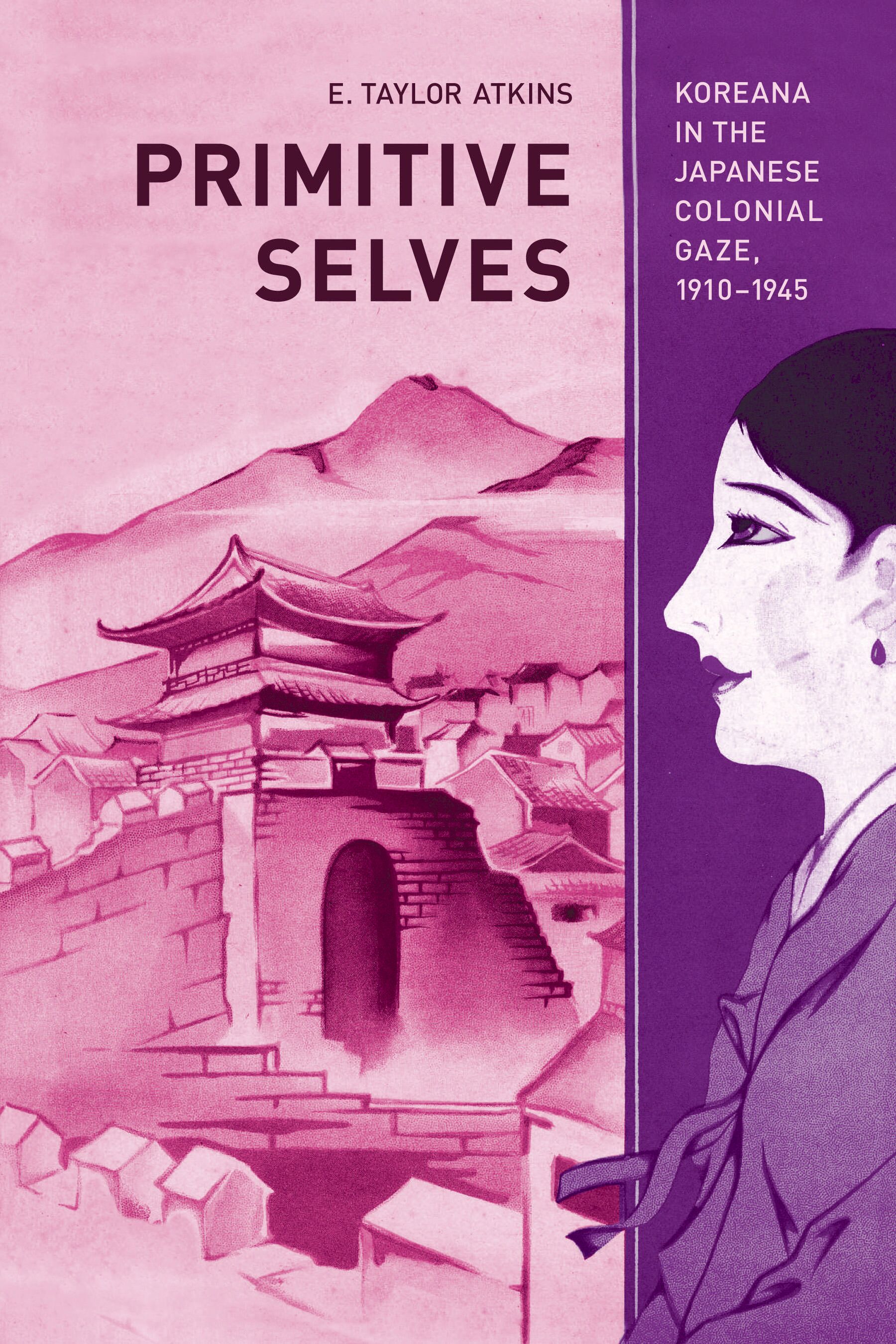
Primitive Selves
This remarkable book examines the complex history of Japanese colonial and postcolonial interactions with Korea, particularly in matters of cultural policy. E. Taylor Atkins focuses on past and present Japanese fascination with Korean culture as he reassesses colonial anthropology, heritage curation, cultural policy, and Korean performance art in Japanese mass media culture. Atkins challenges the prevailing view that imperial Japan demonstrated contempt for Koreans through suppression of Korean culture. In his analysis, the Japanese preoccupation with Koreana provided the empire with a poignant vision of its own past, now lost--including communal living and social solidarity--which then allowed Japanese to grieve for their former selves. At the same time, the specific objects of Japan's gaze--folk theater, dances, shamanism, music, and material heritage--became emblems of national identity in postcolonial Korea.
eBook


