
Catalogue Search | MBRL


Are you sure you want to remove the book from the shelf?

{{itemTitle}}
195
result(s) for
"EDWARDS, VANESSA"
Sort by:
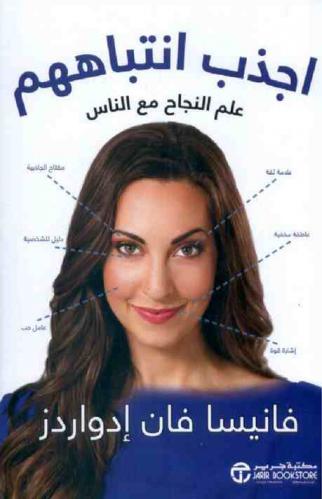
أجذب انتباههم : علم النجاح مع الناس
سيعلمك هذا الكتاب كيف يتفاعل الناس. إذا كنت تعرف بالضبط ما يحرك تصرفات الآخرين، فيمكنك أن تستغل سلوكك، وتفاعلاتك، وعلاقاتك على النحو الأمثل. ومحاولة التعامل مع الناس دون وجود إطار عمل يشبه إلى حد ما حل مسائل رياضية معقدة دون أية معادلات ؛ حيث يكون الأمر صعبا وينطوي على الكثير من المعاناة غير الضرورية على طول الطريق. ولذلك سيمنحك هذا الكتاب المهارات الاجتماعية التي لم تتعلمها في المدرسة. واسعا، لفتنا انتباه منافذ إعلامية مثل الراديو الوطني العام، ومجلة إنك، ومجلة فوربس، التي قامت بعمل تغطية لمنهجنا المتفرد. وفي هذا الوقت قررت القيام بتجارب بحثية أكبر لأحيل علم التعامل مع الناس إلى معمل سلوك بشري. وفي معملنا، نبدأ كل مسعى بإيجاد أحدث الدراسات العلمية، ومن ثم نحيلها إلى تجارب وتكتيكات حياتية واقعية. ثم نتشارك هذه الإستراتيجيات مع قرائنا وطلابنا لاختبارهم، وبهذه الطريقة تم صقل كل مهارة في هذا الكتاب من قبل آلاف الطلاب الذين استخدموها في المواقف الحياتية الواقعية، ثم أعلمونا بالنتائج لنصل إلى مرحلة الإتقان.
BOOK

Supporting teachers and children in schools: the effectiveness and cost-effectiveness of the incredible years teacher classroom management programme in primary school children: a cluster randomised controlled trial, with parallel economic and process evaluations
Background
Childhood antisocial behaviour has high immediate and long-term costs for society and the individual, particularly in relation to mental health and behaviours that jeopardise health. Managing challenging behaviour is a commonly reported source of stress and burn out among teachers, ultimately resulting in a substantial number leaving the profession. Interventions to improve parenting do not transfer easily to classroom-based problems and the most vulnerable parents may not be easily able to access them. Honing teachers’ skills in proactive behaviour management and the promotion of socio-emotional regulation, therefore, has the potential to improve both child and teacher mental health and well-being and the advantage that it might potentially benefit all the children subsequently taught by any teacher that accesses the training.
Methods/Design
Cluster randomised controlled trial (RCT) of the Incredible Years teacher classroom management (TCM) course with combined economic and process evaluations.
One teacher of children aged 4–9 years, from 80 schools in the South West Peninsula will be randomised to attend the TCM (intervention arm) or to “teach as normal” (control arm). The primary outcome measure will be the total difficulties score from the Strengths and Difficulties Questionnaire (SDQ) completed by the current class teachers prior to randomisation, and at 9, 18 and 30 months follow-up, supplemented by parent SDQs. Secondary measures include academic attainment (teacher report supplemented by direct measurement in a sub-sample), children’s enjoyment of school, and teacher reports of their professional self-efficacy, and levels of burn out and stress, supplemented by structured observations of teachers classroom management skills in a subsample. Cost data for the economic evaluation will be based on parental reports of services accessed. Cost-effectiveness, using the SDQ as the measure of effect, will be examined over the period of the RCT and over the longer term using decision analytic modelling. The process evaluation will use quantitative and qualitative approaches to assess fidelity to model, as well as explore Head teacher and teachers’ experiences of TCM and investigate school factors that influence the translation of skills learnt to practice.
Discussion
This study will provide important information about whether the Teacher Classroom Management course influences child and teacher mental health and well-being in both the short and long term. It will also provide valuable insights into factors that may facilitate or impede any impact.
The trial has been registered with ISCTRN (Controlled Trials Ltd) and assigned an ISRCTN number ISRCTN84130388. (
http://www.controlled-trials.com/isrctn/search.html?srch=ISRCTN84130388&sort=3&dir=desc&max=10
)
Journal Article

WHIM Syndrome: First Reported Case in a Patient of African Ancestry
Background. Warts, hypogammaglobulinemia, infections, and myelokathexis (WHIM) syndrome is a rare, primary immunodeficiency syndrome characterized by warts, hypogammaglobulinemia, immunodeficiency, and characteristic bone marrow features of myelokathexis. The pathophysiology of WHIM syndrome is due to an autosomal dominant gain of function mutation in the CXCR4 chemokine receptor resulting in increased activity that impairs neutrophil migration from the bone marrow into the peripheral blood. This results in bone marrow distinctively crowded with mature neutrophils whose balance is shifted towards cellular senescence developing these characteristic, apoptotic nuclei termed myelokathexis. Despite the resultant severe neutropenia, the clinical syndrome is often mild and accompanied by a variety of associated abnormalities that we are just beginning to understand. Case Report. Diagnosis of WHIM syndrome is incredibly difficult due to phenotypic heterogeneity. To date, there are only about 105 documented cases in the scientific literature. Here, we describe the first case of WHIM syndrome documented in a patient of African ancestry. The patient in question was diagnosed at the age of 29 after a comprehensive work-up for incidental neutropenia discovered at a primary care appointment at our center in the United States. In hindsight, the patient had a history of recurrent infections, bronchiectasis, hearing loss, and VSD repair that could not be previously explained. Conclusions. Despite the challenge of timely diagnosis and the wide spectrum of clinical features that we are still discovering, WHIM syndrome tends to be a milder immunodeficiency that is highly manageable. As presented in this case, most patients respond well to G-CSF injections and newer treatments such as small-molecule CXCR4 antagonists.
Journal Article
How to be mindful and happy. Power of happiness. Day 3, Play
The search for happiness is your key to greater success. Do you know what makes you happy and how to get more of it? Most of us have no idea what drives our internal joy triggers. In this course you will learn that happiness is concrete and achievable. More importantly, happiness has tremendous benefits for every area of our life. Vanessa Van Edwards has cracked the code on happiness. She runs the Science of People, a human behavior research lab. After studying the underlying patterns that drive our behavior for 4 years, Vanessa has come up with a framework for happiness - and a system for applying the latest scientifically backed happiness principles to your own life. This class is designed to be watched over time. Just one lesson a day will keep you on track. Or feel free to binge watch all the lessons in one day! Re-watch the lessons whenever you need a refresher. Join Vanessa for this 10-day class, and you will be well on your way to developing a happier life. Specifically, you’ll learn how to: Day 1: Train your brain to look for happiness patterns. Day 2: Utilize your greatest talents and skills. Day 3: Learn how playfulness leads to happiness. Day 4: Maximize what makes you happy, minimize what doesn’t. Day 5: Capitalize on positive experiences. Day 6: Achieve happiness through giving & gratitude. Day 7: Grow your happiness community. Day 8: Cultivate your luck and let opportunities come to you. Day 9: Find balance between nutrition, sleep & movement. Day 10: Live to your fullest capacity. Vanessa’s methods are based on exhaustive research and solid science. This course is based on a literature review of 246 happiness studies, an audit of happiness data from over 12,000 people, and 4 years of research. The metrics that justify her research are just as compelling. Research has found that 50% of our happiness is genetic and 10% is the result of our environment. That means 40% of our happiness is influenced by behavior and mindset. Vanessa will focus on the 40% that you can address, so you can get back on track with your life and your goals. Don’t be a passive learner! Students who purchase the class will also receive Vanessa’s comprehensive workbook with over 90 pages of exercises, charts, graphs and challenges to keep you on track to becoming a happier person. Need an extra boost of positive motivation? Join The Power of Happiness Facebook Group to stay connected to people like you, who are retraining their brains and learning the true power of happiness.
Streaming Video

A Review of the Court of Justice’s Case Law in Relation to Waste and Environmental Impact Assessment
During the two decades spanning the turn of the past century, the Court of Justice of the EU delivered a steady stream of preliminary rulings and judgments in actions for infringement that related to important and novel legislation on waste and environmental impact assessment. This article considers the significant contribution made by these cases, both to the interpretation of fundamental specific concepts underpinning both the Waste Directive and the Environmental Impact Directive and to the development of general principles of EU law in fields such as the direct effect of directives, aspects of implementation of directives, and judicial protection and enforcement. In the context of both the particular legislation at issue and the general principles relevant to its application, the Court’s rulings in these superficially narrow areas have dramatically advanced the scope and effectiveness of the directives and the evolution of critical principles.
Journal Article

The effectiveness and cost-effectiveness of the Incredible Years® Teacher Classroom Management programme in primary school children: results of the STARS cluster randomised controlled trial
We evaluated the effectiveness and cost-effectiveness of the Incredible Years® Teacher Classroom Management (TCM) programme as a universal intervention, given schools' important influence on child mental health.
A two-arm, pragmatic, parallel group, superiority, cluster randomised controlled trial recruited three cohorts of schools (clusters) between 2012 and 2014, randomising them to TCM (intervention) or Teaching As Usual (TAU-control). TCM was delivered to teachers in six whole-day sessions, spread over 6 months. Schools and teachers were not masked to allocation. The primary outcome was teacher-reported Strengths and Difficulties Questionnaire (SDQ) Total Difficulties score. Random effects linear regression and marginal logistic regression models using Generalised Estimating Equations were used to analyse the outcomes.
ISRCTN84130388.
Eighty schools (2075 children) were enrolled; 40 (1037 children) to TCM and 40 (1038 children) to TAU. Outcome data were collected at 9, 18, and 30-months for 96, 89, and 85% of children, respectively. The intervention reduced the SDQ-Total Difficulties score at 9 months (mean (s.d.):5.5 (5.4) in TCM v. 6.2 (6.2) in TAU; adjusted mean difference = -1.0; 95% CI-1.9 to -0.1; p = 0.03) but this did not persist at 18 or 30 months. Cost-effectiveness analysis suggested that TCM may be cost-effective compared with TAU at 30-months, but this result was associated with uncertainty so no firm conclusions can be drawn. A priori subgroup analyses suggested TCM is more effective for children with poor mental health.
TCM provided a small, short-term improvement to children's mental health particularly for children who are already struggling.
Journal Article

Axillary, Tympanic, and Temporal Thermometry Comparison in a Community Hospital Pediatric Unit
Accurate temperature assessment in pediatric practice is of critical importance when diagnosing, treating, and monitoring illness. No official standardized clinical research identifies a thermometry measurement method meeting all practice needs for all combined pediatric ages and practice settings. We conducted an IRB-approved research study in 140 Pediatric Unit patients and examined the Exergen Temporal Scanner™ (TAT)-5000 compared to the current practices of axillary thermometry for newborn infants (ages 0 to 3 months), and tympanic thermometry for children and adolescents (3 months to 21 years old). Patient and room temperatures, demographic data, and clinical data were collected. Paired sample t tests and Bland-Altman analyses were used to examine thermometry differences and define statistical equivalence between thermometry methods. Mean axillary (98.06°F) and TAT (98.92°F) temperatures in newborns were significantly different [t (52) = -9.33, p<0.001], as were mean tympanic (98.06°F) and TAT (99.31°F) child-adolescent temperatures [t (72) = -11.28, p<0.0oi]. TAT was least impacted by ambient air temperature and statistically comparable to axillary thermometry, but not tympanic thermometry. TAT would be an adequate thermometry alternative for general pediatrics inpatients for body temperature monitoring in conditions such as asthma, hyperbilirubinemia, pneumonia, tonsillectomy, and post-operative appendectomy.
Journal Article

Clinical effectiveness of treatments for anorexia nervosa in adolescents: Randomised controlled trial
Treatment guidelines identify few adequately powered trials to guide recommendations for anorexia nervosa.
To evaluate the effectiveness of three readily available National Health Service treatments for adolescents (aged 12-18 years) with anorexia nervosa.
Multicentre randomised controlled trial of 167 young people comparing in-patient, specialist out-patient and general child and adolescent mental health service (CAMHS) treatment.
Each group made considerable progress at 1 year, with further improvement by 2 years. Full recovery rates were poor (33% at 2 years, 27% still with anorexia nervosa). Adherence to in-patient treatment was only 50%. Neither in-patient nor specialist out-patient therapy demonstrated advantages over general CAMHS treatment by intention to treat, although some CAMHS out-patients were subsequently admitted on clinical grounds. In-patient treatment (randomised or after out-patient transfer) predicted poor outcomes.
First-line in-patient psychiatric treatment does not provide advantages over out-patient management. Out-patient treatment failures do very poorly on transfer to in-patient facilities.
Journal Article

Cranial osteopathy for children with cerebral palsy: a randomised controlled trial
Objectives To estimate the effect of cranial osteopathy on the general health and wellbeing, including physical functioning, of children with cerebral palsy. Design Pragmatic randomised controlled trial. Participants 142 children from Greater London and the South West of England, aged 5–12 years with cerebral palsy. Intervention Participants were randomised to six sessions of cranial osteopathy with a registered osteopath or a waiting list with partial attention control (parents invited to participate in two semistructured interviews). Primary outcome measures Blind assessment of motor function by physiotherapists using the Gross Motor Function Measure-66 (GMFM-66) and quality of life using the Child Health Questionnaire (CHQ) PF50 at 6 months. Secondary outcome measures Parents' assessment of global health and sleep at 6 months, pain and sleep diaries at 10 weeks and 6 months, CHQ PF50 at 10 weeks and quality of life of main carer (Short Form 36) at 10 weeks and 6 months. Results Compared with children in the control group, children in the osteopathy group demonstrated no statistically significant differences in GMFM-66 (mean difference 4.9, 95% CI −4.4 to 14.1), CHQ Physical Summary Score (mean difference 2.2, 95% CI −3.5 to 8.0) or CHQ Psychological Summary Score (mean difference 3.4, 95% CI −0.8 to 7.7). There were no significant differences between groups with respect to pain; sleep (either ‘time asleep’ or ‘time to sleep’); or main carer's quality of life. Compared with children in the control group, carers of children receiving cranial osteopathy were nearly twice as likely to report that their child's global health had ‘improved’ at 6 months rather than ‘decreased’ or ‘remained the same’ (38% vs 18%; odds ratio 2.8, 95% CI 1.1 to 6.9). Conclusions This trial found no statistically significant evidence that cranial osteopathy leads to sustained improvement in motor function, pain, sleep or quality of life in children aged 5–12 years with cerebral palsy nor in quality of life of their carers. Trial Registration ISRCTN45840554 http://www.controlled-trials.com
Journal Article