
Catalogue Search | MBRL


Are you sure you want to remove the book from the shelf?

{{itemTitle}}
867
result(s) for
"East, B."
Sort by:

الشرق الأوسط على حافة الهاوية : فرص التغيير في القرن الحادى والعشرين
في الشرق الأوسط، أصبحت اتفاقيات كامب ديفيد موضوعا لنقاش كبير. وينظر إليهم الكثيرون في العالم العربي، وحتى البعض في إسرائيل، بعين العداء. ويرى آخرون، وخاصة في الولايات المتحدة، في صيغة كامب ديفيد الأمل الوحيد للتوصل إلى حل ناجح للصراع العربي الإسرائيلي والإشادة السخية بالاتفاقات. لكن التأثير الواسع للاتفاقيات على الشرق الأوسط وعلى آفاق السلام لم يتم تحليله بشكل كامل من قبل المتخصصين في الشرق الأوسط أو الأمريكيين. ويقدم هذا العمل الجديد، الذي نشر بمناسبة الذكرى السنوية العاشرة للاتفاقات، التقييم الشامل اللازم لمناقشة الخطوات التالية في عملية السلام في الشرق الأوسط.
BOOK

European Hernia Society guidelines on the closure of abdominal wall incisions
Background
The material and the surgical technique used to close an abdominal wall incision are important determinants of the risk of developing an incisional hernia. Optimising closure of abdominal wall incisions holds a potential to prevent patients suffering from incisional hernias and for important costs savings in health care.
Methods
The European Hernia Society formed a Guidelines Development Group to provide guidelines for all surgical specialists who perform abdominal incisions in adult patients on the materials and methods used to close the abdominal wall. The guidelines were developed using the Grading of Recommendations Assessment, Development and Evaluation (GRADE) approach and methodological guidance was taken from Scottish Intercollegiate Guidelines Network (SIGN). The literature search included publications up to April 2014. The guidelines were written using the AGREE II instrument. An update of these guidelines is planned for 2017.
Results
For many of the Key Questions that were studied no high quality data was detected. Therefore, some strong recommendations could be made but, for many Key Questions only weak recommendations or no recommendation could be made due to lack of sufficient evidence.
Recommendations
To decrease the incidence of incisional hernias it is strongly recommended to utilise a non-midline approach to a laparotomy whenever possible. For elective midline incisions, it is strongly recommended to perform a continuous suturing technique and to avoid the use of rapidly absorbable sutures. It is suggested using a slowly absorbable monofilament suture in a single layer aponeurotic closure technique without separate closure of the peritoneum. A small bites technique with a suture to wound length (SL/WL) ratio at least 4/1 is the current recommended method of fascial closure. Currently, no recommendations can be given on the optimal technique to close emergency laparotomy incisions. Prophylactic mesh augmentation appears effective and safe and can be suggested in high-risk patients, like aortic aneurysm surgery and obese patients.
For laparoscopic surgery, it is suggested using the smallest trocar size adequate for the procedure and closure of the fascial defect if trocars larger or equal to 10 mm are used. For single incision laparoscopic surgery, we suggest meticulous closure of the fascial incision to avoid an increased risk of incisional hernias.
Journal Article
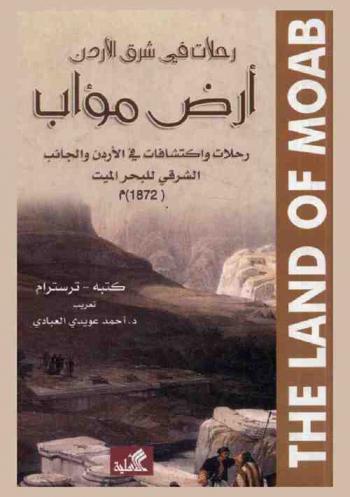
رحلات في شرق الأردن : أرض مؤاب : رحلات واكتشافات في الأردن والجانب الشرقي للبحر الميت 1872 م
الكتاب الذي بين يدينا هو ترجمة لكتاب وضعه الدكتور ترسترام-أرض مؤاب-رحلات واستكشافات على الجانب الأردني للبحر الميت، وقد صدر هذا الكتاب في شباط / فبراير عام 1873، هذا الكتاب كان حصيلة رحلة مضنية، وتجربة مثيرة، حيث انطلق الدكتور ترسترام مع طاقمه من بريطانيا في العاشر من كانون الثاني / يناير عام 1872، رئيس لبعثة بتكليف وتمويل من الجمعية البريطانية في أنبره حيث رصدت له منحة قدرها مائتا جنيه ذهبا، وكان الدكتور ترسترام ذاته قد قام ببعثة مشابهة إلى المنطقة قبل أربعة عشر عاما من رحلته هذه أي في عام 1858، وكانت منحته مئة جنيه ذهبا، لكن تلك البعثة لم تستطع تقديم ما هو مرجو منها بسبب ضعف التخصيصات المالية من جهة، وبسبب الخصومات والنزاعات بين قبائل المنطقة من جهة أخرى، مرت البعثة بميناء برند يزي في إيطاليا، ثم أبحرت إلى الإسكندرية-مصر، بعدها توجهت إلى حيفا-فلسطين ووصلتها في الثاني والعشرين من كانون الثاني / يناير، عام 1872، ومنها توجهت إلى القدس.
BOOK

Autoimmunity and hernia mesh: fact or fiction?
Background
There is an increasing number of patients following hernia surgery with implanted mesh reporting symptoms that could indicate autoimmune or allergic reactions to mesh. ‘Allergy’ to metals, various drugs, and chemicals is well recognised. However, hypersensitivity, allergy or autoimmunity caused by surgical mesh has not been proven by a scientific method to date. The aim of this study was twofold: to describe the pathophysiology of autoimmunity and foreign body reaction and to undertake a systematic review of surgical mesh implanted at the time of hernia repair and the subsequent development of autoimmune disease.
Methods
A systematic review using the PRISMA guidelines was undertaken. Pubmed (Medline), Google Scholar and Cochrane databases were searched for all English-written peer-reviewed articles published between 2000 and 2021. The search was performed using the keywords “hernia”, “mesh”, “autoimmunity”, “ASIA”, “immune response”, “autoimmune response”.
Results
Seven papers were included in the final analysis—three systematic reviews, three cohort studies and one case report. Much of the current data regarding the association of hernia mesh and autoimmunity relies on retrospective cohort studies and/or case reports with limited availability of cofounding factor data linked to autoimmune disease such as smoking status or indeed a detailed medical history of patients. Three systematic reviews have discussed this topic, each with a slightly different approach and none of them has identified causality between the use of mesh and the subsequent development of autoimmune disease.
Conclusion
There is little evidence that the use of polypropylene mesh can lead to autoimmunity. A large number of potential triggers of autoimmunity along with the genetic predisposition to autoimmune disease and the commonality of hernia, make a cause and effect difficult to unravel at present. Biomaterials cause foreign body reactions, but a chronic foreign body reaction does not indicate autoimmunity, a common misunderstanding in the literature.
Journal Article


EHS and AHS guidelines for treatment of primary ventral hernias in rare locations or special circumstances
Background Rare locations of hernias, as well as primary ventral hernias under certain circumstances (cirrhosis, dialysis, rectus diastasis, subsequent pregnancy), might be technically challenging. The aim was to identify situations where the treatment strategy might deviate from routine management. Methods The guideline group consisted of surgeons from the European and Americas Hernia Societies. The Grading of Recommendations Assessment, Development and Evaluation (GRADE) approach was used in formulating the recommendations. The Scottish Intercollegiate Guidelines Network (SIGN) critical appraisal checklists were used to evaluate the quality of full‐text papers. A systematic literature search was performed on 1 May 2018 and updated 1 February 2019. The Appraisal of Guidelines for Research and Evaluation (AGREE) instrument was followed. Results Literature was limited in quantity and quality. A majority of the recommendations were graded as weak, based on low quality of evidence. In patients with cirrhosis or on dialysis, a preperitoneal mesh repair is suggested. Subsequent pregnancy is a risk factor for recurrence. Repair should be postponed until after the last pregnancy. For patients with a concomitant rectus diastasis or those with a Spigelian or lumbar hernia, no recommendation could be made for treatment strategy owing to lack of evidence. Conclusion This is the first European and American guideline on the treatment of umbilical and epigastric hernias in patients with special conditions, including Spigelian and lumbar hernias. All recommendations were weak owing to a lack of evidence. Further studies are needed on patients with rectus diastasis, Spigelian and lumbar hernias. Antecedentes Las hernias de localización rara, así como las hernias ventrales primarias en determinadas circunstancias (cirrosis, diálisis, diástasis de recto, tras un embarazo) pueden ser complejas desde el punto de vista técnico. El objetivo fue identificar situaciones en las que la estrategia de tratamiento pudiera ser diferente del tratamiento habitual. Métodos Esta guía fue elaborada por cirujanos de las sociedades europeas y americana de hernia (European Hernia Society, EHS y American Hernia Society, AHS). La búsqueda sistemática de la literatura se efectuó el 1 de mayo de 2018 y se actualizó el 1 de febrero de 2019. Para evaluar la calidad de los artículos completos seleccionados se utilizó la normativa SIGN (Scottish Intercollegiate Guidelines Network). Las recomendaciones formuladas siguieron la metodología GRADE (Grading of Recommendations Assessment, Development and Evaluation) y la redacción de la guía siguió las normas AGREE (Appraisal of Guidelines for Research & Evaluation). Resultados La literatura es limitada en cantidad y calidad. La mayoría de las recomendaciones se calificaron como débiles en función de la baja calidad de la evidencia. En pacientes con cirrosis o en diálisis, se sugiere una reparación con malla preperitoneal. Un embarazo tras la reparación de una hernia es un factor de riesgo de recidiva. La reparación debería posponerse hasta después del último embarazo. Debido a la falta de evidencia no se pudo hacer ninguna recomendación para la reparación de hernias en pacientes con diástasis de recto concomitante o con hernias de Spigel o lumbares. Conclusión Esta es la primera guía europea y americana del tratamiento de hernias umbilicales y epigástricas en pacientes con patologías especiales, incluyendo las hernias de Spigel y lumbares. Todas las recomendaciones fueron débiles debido a la falta de evidencia. Se necesitan más estudios en pacientes con diástasis de recto, hernias de Spigel y lumbares. This guideline addresses the treatment of umbilical and epigastric hernias in clinically challenging situations (cirrhosis, dialysis, subsequent pregnancy, rectus diastasis), as well as the treatment of Spigelian and primary lumbar hernias. Emphasises the need for better evidence
Journal Article
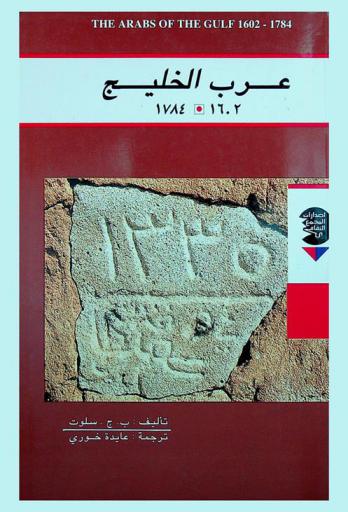
عرب الخليج في ضوء مصادر شركة الهند الشرقية الهولندية 1602-1784
هذا الكتاب هو دراسة قيمة ومرجع تاريخي هام عن عرب الخليج في القرنين السابع عشر والثامن عشر، يقدم الكتاب وثائق وحقائق ومعلومات جديدة حيث يوضح بروز زعامات جديدة وقيادات استطاعت إنشاء مدن جديدة وإمارات سياسية مزدهرة في منطقة الخليج، ونجد أن موضوع هذا الكتاب موضوع معقدا نوعا ما، وذلك أن فترة تاريخ الخليج في العصر الحديث تشبه أوبرا إيطالية في العصر الذهبي.
BOOK
Algorithm for management of an incarcerated inguinal hernia in the emergency settings with manual reduction. Taxis, the technique and its safety
BackgroundAn acute inguinal hernia remains a common emergency surgical condition worldwide. While emergency surgery has a major role to play in treatment of acute hernias, not all patients are fit for emergency surgery, nor are facilities for such surgery always available. Taxis is the manual reduction of incarcerated tissues from the hernia sack to its natural compartment, and can help delay the need for surgery from days to months. The aim of this study was to prepare a safe algorithm for performing manual reduction of incarcerated inguinal hernias in adults.MethodsMedline, Scopus, Ovid and Embase were searched for papers related to emergency inguinal hernias and manual reduction. In addition, the British National Formulary and Safe Sedation Practice for Healthcare Procedures: Standards and Guidance were reviewed.ResultsA safe technique of manual reduction of an acute inguinal hernia, called GPS (Gentle, Prepared and Safe) Taxis, is described. It should be performed within 24 h from the onset of a painful irreducible lump in groin, and when concomitant symptoms and signs of bowel strangulation are absent. Conscious sedation guidelines should be followed. The most popular drug combination is of intravenous morphine and short-acting benzodiazepine, both titrated carefully for optimal and safe effect. The dose of drugs must be individualised, and the smallest effective dosage should be used to avoid oversedation. Following successful taxis, the patient should undergo a short period of observation. Urgent surgery can be undertaken during the same admission or up to several weeks later.ConclusionsTaxis is a benign/non-invasive method for patients with an acute, non-strangulated inguinal hernias. It likely reduces the risk and complications of anaesthesia and surgery in the emergency settings. GPS Taxis should be considered as first line treatment in the majority of patients presenting with an acute inguinal hernia when existing bowel infarction is unlikely.
Journal Article

The European Hernia Society Prehabilitation Project: a systematic review of patient prehabilitation prior to ventral hernia surgery
BackgroundVentral hernia repair is one of the most commonly performed surgical procedures worldwide. To reduce the risk of complications, patient prehabilitation has received increasing focus in recent years. To assess prehabilitation measures, this European Hernia Society endorsed project was launched. The aim of this systematic review was to evaluate the current literature on patient prehabilitation prior to ventral hernia repair.MethodsThe strategies examined were optimization of renal disease, obesity, nutrition, physical exercise, COPD, diabetes and smoking cessation. For each topic, a separate literature search was conducted, allowing for seven different sub-reviews.ResultsA limited amount of well-conducted research studies evaluating prehabilitation prior to ventral hernia surgery was found. The primary findings showed that smoking cessation and weight loss for obese patients led to reduced risks of complications after abdominal wall reconstruction.ConclusionPrehabilitation prior to ventral hernia repair may be widely used; however, the literature supporting its use is limited. Future studies evaluating the impact of prehabilitation before ventral hernia surgery are warranted.
Journal Article