
Catalogue Search | MBRL


Are you sure you want to remove the book from the shelf?

{{itemTitle}}
37
result(s) for
"Eljamel, Sam"
Sort by:

Long term outcome of thermal anterior capsulotomy for chronic, treatment refractory depression
BackgroundThere is very limited evidence for the efficacy of any specific therapeutic intervention in chronic, treatment refractory major depression. Thermal anterior capsulotomy (ACAPS) is a rarely performed but established therapeutic procedure for this patient group. While benefit has been claimed, previous ACAPS reports have provided limited information. Detailed prospective reporting of therapeutic effects and side effects is required.ObjectiveTo report a prospective study of therapeutic effect, mental status, quality of life, social functioning and neurocognitive functioning in individuals with chronic treatment refractory major depression, treated with ACAPS.MethodA prospective case series of 20 patients treated with ACAPS between 1992 and 1999 were reassessed at a mean follow-up of 7.0±3.4 years. Data were collected preoperatively and at long term follow-up. Structural MRI was performed in 14 participants.ResultsAccording to a priori criteria, at long term follow-up, 50% were classified as ‘responders’ and 40% as ‘remitters’. Fifty-five per cent were classified as ‘improved’; 35% were ‘unchanged’; and 10% had ‘deteriorated’. Neurocognitive and personality testing were not significantly different at follow-up. A trend towards improvement in some aspects of executive neuropsychological functioning was observed. Significant adverse effects were infrequent and there were no deaths.ConclusionsACAPS may represent an effective intervention for some patients with chronic, disabling, treatment refractory major depression that has failed to respond to other therapeutic approaches. The adverse effect burden within this population was modest, with no evidence of generalised impairment of neurocognitive functioning.
Journal Article

Intraoperative optical identification of pituitary adenomas
Introduction
The main goals of transsphenoidal pituitary surgery are total removal of pituitary adenomas (PAs) and preservation of normal pituitary functions. Achieving these goals is dependant upon the precise localisation of PAs during surgery, particularly secreting microadenomas. However, some microadenomas are invisible on preoperative imaging and during surgery, leading some surgeons to perform total hypophysectomy in many patients to achieve cure at the expense of panhypopituitrism. We have examined optical detection systems to identify PAs intraoperatively. This paper reports our preliminary findings.
Methods
A prospective observational study design.
Technique
Patients were given 20 mg/kg body weight 5-aminolevulinic acid (ALA) mixed in 30 ml of orange juice, orally 3 h before surgery. Surgery was performed in the supine position, under image guidance, through the right nostril using Storz 0 degree endoscope assisted with microsurgery as required. The endoscope was attached to photodiagnostic filters (PD) allowing switching the light from white to blue at the flick of a foot pedal. After the dura of the floor of the sella was incised a laser probe was inserted into the pituitary gland to identify the ALA-induced protoporphyrin IX spectroscopy at 632 nm, using an optical biopsy system (OBS). Once the adenoma was identified by the OBS it was exposed and examined by the PD system to detect fluorescence. The PA was removed and its type was confirmed by histopathology and correlated to the OBS and PD system findings.
Patients
Thirty consecutive patients were studied: 14 were non-functioning macroadenomas (NFA), 12 were secreting PAs and 4 pituitary cysts. The secreting PAs were GH (2), ACTH (3), prolactin (2) and gonadotrophins (5). Six were microadenomas (3 ACTH, 1 GH, 2 prolactin) and 20 were macroadenomas, of which 12 were invading macroadenomas. Twenty-four of these were examined by the OBS and the PD systems and six were examined by the PD system only. The true positive (sensitivity) of the PD and OBS systems were 80.8% (21/26) and 95.5% (21/22) respectively. The true negative (specificity) of PD and OBS were 75% (3/4) and 100% (2/2) respectively. The false negative rate of PD was 19.2% (5/26) and for OBS was 4.5% (1/22), while the false positive rate for PD was 25% (1/4) and for OBS was 0.
Conclusion
Intraoperative optical identification of pituitary adenomas is a feasible and reliable way to localize pituitary adenomas during transsphenoidal surgery and it may lead to improved cure rate and preservation of normal pituitary functions.
Journal Article

Role of Craniotomy Repair in Reducing Postoperative Headaches After a Retrosigmoid Approach
Abstract
BACKGROUND:
The retrosigmoid (RS) approach provides an excellent access corridor to the cerebellopontine angle. However, 80% of patients experience headaches after RS approaches.
OBJECTIVE:
We reviewed our prospective database to determine the risk factors influencing headaches after RS procedures.
METHODS:
From 2003, craniotomy, instead of craniectomy, became our standard approach for RS procedures. Patients' demographic, management, and outcome data were collected prospectively. We also retrospectively analyzed similar data collected between 2000 and 2003 to compare headache outcomes after RS approaches. Subgroup analysis of data was performed to identify other risk factors contributing to postoperative headaches.
RESULTS:
Of 105 patients (mean age, 56 years; 43 men; 62 women) who underwent RS surgery, 30 underwent craniectomy and 75 underwent craniotomy. There were 57 vestibular schwannomas, 40 microvascular decompressions, and 8 other procedures. The patients' age, sex, pathological diagnosis, and length of hospital stay were not statistically different in the 2 subgroups. At discharge, postoperative headache was observed in 43% of patients (13/30) after craniectomy and 19% of patients (14/75) after craniotomy (P = .01). The incidence of headache decreased with further follow-up; 10% of patients (3/30) who underwent craniectomy and 1% of patients (1/75) who underwent craniotomy still had headache at 12 months of follow-up.
CONCLUSION:
Patients who underwent the RS approach with craniotomy had a significantly lower rate of headache at discharge than did those who underwent craniectomy. These patients continued to have a lower incidence of headache in the long term.
Journal Article

Predicting the “usefulness” of 5-ALA-derived tumor fluorescence for fluorescence-guided resections in pediatric brain tumors: a European survey
Background
Five-aminolevulinic acid (Gliolan, medac, Wedel, Germany, 5-ALA) is approved for fluorescence-guided resections of adult malignant gliomas. Case reports indicate that 5-ALA can be used for children, yet no prospective study has been conducted as of yet. As a basis for a study, we conducted a survey among certified European Gliolan users to collect data on their experiences with children.
Methods
Information on patient characteristics, MRI characteristics of tumors, histology, fluorescence qualities, and outcomes were requested. Surgeons were further asked to indicate whether fluorescence was “useful”, i.e., leading to changes in surgical strategy or identification of residual tumor. Recursive partitioning analysis (RPA) was used for defining cohorts with high or low likelihoods for useful fluorescence.
Results
Data on 78 patients <18 years of age were submitted by 20 centers. Fluorescence was found useful in 12 of 14 glioblastomas (85 %), four of five anaplastic astrocytomas (60 %), and eight of ten ependymomas grades II and III (80 %). Fluorescence was found inconsistently useful in PNETs (three of seven; 43 %), gangliogliomas (two of five; 40 %), medulloblastomas (two of eight, 25 %) and pilocytic astrocytomas (two of 13; 15 %). RPA of pre-operative factors showed tumors with supratentorial location, strong contrast enhancement and first operation to have a likelihood of useful fluorescence of 64.3 %, as opposed to infratentorial tumors with first surgery (23.1 %).
Conclusions
Our survey demonstrates 5-ALA as being used in pediatric brain tumors. 5-ALA may be especially useful for contrast-enhancing supratentorial tumors. These data indicate controlled studies to be necessary and also provide a basis for planning such a study.
Journal Article
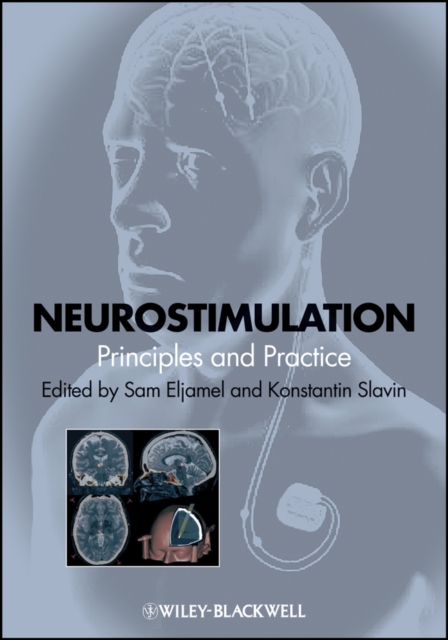
Neurostimulation : principles and practice
Could neurostimulation be a management option for your patients?
Neurostimulation techniques present real management options for patients with a range of neurologic and psychiatric disorders, such as movement disorders, pain, and depression. They should be actively considered when conventional medical approaches have failed or are inappropriate. But for many clinicians, these new methods pose many questions. What are the available modalities? How do they work? Which patients might benefit from them? How do I explain the processes to patients? How do I monitor my patient's progress after implantation?
Neurostimulation: Principles and Practice provides a concise, easy-to-read fusion of the clinical applications of implanted neurostimulators. It demystifies selection and referral criteria, maximizing therapy, programming the implanted neuromodulators, monitoring progress, and troubleshooting problems associated with neurostimulation.
Neurostimulation: Principles and Practice covers the modalities available for your patients:
* Deep brain stimulation
* Motor cortex stimulation
* Vagus nerve stimulation
* Spinal cord stimulation
* Peripheral nerve stimulation
Written by an international cast of experts, Neurostimulation: Principles and Practice sets the stage for you to provide real clinical benefit to your patients who might receive, or are already using, neurostimulators.
eBook

ALA and Photofrin® Fluorescence-guided resection and repetitive PDT in glioblastoma multiforme: a single centre Phase III randomised controlled trial
Glioblastoma multiforme (GBM) carries dismal prognosis and cannot be eradicated surgically because of its wide brain invasion. The objective of this prospective randomised controlled trial was to evaluate ALA and Photofrin® fluorescence-guided resection (FGR) and repetitive photodynamic therapy (PDT) in GBM. We recruited 27 patients; 13 were in the study group and 14 were in the control group. The mean survival of the study group was 52.8 weeks compared to 24.6 weeks in the control group (
p
< 0.01). The study group gained on average 20 points on the Karnofsky performance score (
p
< 0.05). There were no differences in complications or hospital stay between the two groups. The mean time to tumour progression was 8.6 months in the study group compared to 4.8 months in the control group (
p
< 0.05). Therefore, ALA and Photofrin® fluorescence-guided resection and repetitive PDT offered a worthwhile survival advantage without added risk to patients with GBM. A multicentre randomized controlled trial is warranted to confirm these results.
Journal Article

A highly compact packaging concept for ultrasound transducer arrays embedded in neurosurgical needles
State-of-the-art neurosurgery intervention relies heavily on information from tissue imaging taken at a pre-operative stage. However, the data retrieved prior to performing an opening in the patient’s skull may present inconsistencies with respect to the tissue position observed by the surgeon during intervention, due to both the pulsing vasculature and possible displacements of the brain. The consequent uncertainty of the actual tissue position during the insertion of surgical tools has resulted in great interest in real-time guidance techniques. Ultrasound guidance during neurosurgery is a promising method for imaging the tissue while inserting surgical tools, as it may provide high resolution images. Microfabrication techniques have enabled the miniaturisation of ultrasound arrays to fit needle gauges below 2 mm inner diameter. However, the integration of array transducers in surgical needles requires the development of advanced interconnection techniques that can provide an interface between the microscale array elements and the macroscale connectors to the driving electronics. This paper presents progress towards a novel packaging scheme that uses a thin flexible printed circuit board (PCB) wound inside a surgical needle. The flexible PCB is connected to a probe at the tip of the needle by means of magnetically aligned anisotropic conductive paste. This bonding technology offers higher compactness compared to conventional wire bonding, as the individual electrical connections are isolated from one another within the volume of the paste line, and applies a reduced thermal load compared to thermo-compression or eutectic packaging techniques. The reduction in the volume required for the interconnection allows for denser wiring of ultrasound probes within interventional tools. This allows the integration of arrays with higher element counts in confined packages, potentially enabling multi-modality imaging with Raman, OCT, and impediography. Promising experimental results and a prototype needle assembly are presented to demonstrate the viability of the proposed packaging scheme. The progress reported in this work are steps towards the production of fully-functional imaging-enabled needles that can be used as surgical guidance tools.
Journal Article
Consensus on guidelines for stereotactic neurosurgery for psychiatric disorders
Background For patients with psychiatric illnesses remaining refractory to ‘standard’ therapies, neurosurgical procedures may be considered. Guidelines for safe and ethical conduct of such procedures have previously and independently been proposed by various local and regional expert groups. Methods To expand on these earlier documents, representative members of continental and international psychiatric and neurosurgical societies, joined efforts to further elaborate and adopt a pragmatic worldwide set of guidelines. These are intended to address a broad range of neuropsychiatric disorders, brain targets and neurosurgical techniques, taking into account cultural and social heterogeneities of healthcare environments. Findings The proposed consensus document highlights that, while stereotactic ablative procedures such as cingulotomy and capsulotomy for depression and obsessive-compulsive disorder are considered ‘established’ in some countries, they still lack level I evidence. Further, it is noted that deep brain stimulation in any brain target hitherto tried, and for any psychiatric or behavioural disorder, still remains at an investigational stage. Researchers are encouraged to design randomised controlled trials, based on scientific and data-driven rationales for disease and brain target selection. Experienced multidisciplinary teams are a mandatory requirement for the safe and ethical conduct of any psychiatric neurosurgery, ensuring documented refractoriness of patients, proper consent procedures that respect patient's capacity and autonomy, multifaceted preoperative as well as postoperative long-term follow-up evaluation, and reporting of effects and side effects for all patients. Interpretation This consensus document on ethical and scientific conduct of psychiatric surgery worldwide is designed to enhance patient safety.
Journal Article
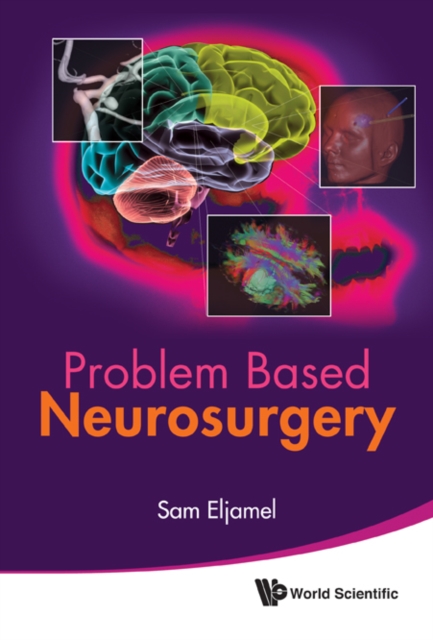
Problem based neurosurgery
Problem Based Neurosurgery is a remarkable fusion of recent advances in neuro-imaging and neurosurgery with modern teaching of integrated system based curricula. It approaches each problem systematically from history, and physical examination to differential diagnosis, investigations and management options. The book captures four decades of advances and experiences in diagnosis and management of patients. The problems upon which the book is based are real patients and cover all aspects of neurosurgical practice with up to date modern images. The blend of new scientific discoveries, modern imaging and the art of smart history and physical examinations underpins the book to improve diagnosis, investigation and the care of neurosurgical patients.
eBook

Early surgery versus initial conservative treatment in patients with spontaneous supratentorial lobar intracerebral haematomas (STICH II): a randomised trial
The balance of risk and benefit from early neurosurgical intervention for conscious patients with superficial lobar intracerebral haemorrhage of 10–100 mL and no intraventricular haemorrhage admitted within 48 h of ictus is unclear. We therefore tested the hypothesis that early surgery compared with initial conservative treatment could improve outcome in these patients.
In this international, parallel-group trial undertaken in 78 centres in 27 countries, we compared early surgical haematoma evacuation within 12 h of randomisation plus medical treatment with initial medical treatment alone (later evacuation was allowed if judged necessary). An automatic telephone and internet-based randomisation service was used to assign patients to surgery and initial conservative treatment in a 1:1 ratio. The trial was not masked. The primary outcome was a prognosis-based dichotomised (favourable or unfavourable) outcome of the 8 point Extended Glasgow Outcome Scale (GOSE) obtained by questionnaires posted to patients at 6 months. Analysis was by intention to treat. This trial is registered, number ISRCTN22153967.
307 of 601 patients were randomly assigned to early surgery and 294 to initial conservative treatment; 298 and 291 were followed up at 6 months, respectively; and 297 and 286 were included in the analysis, respectively. 174 (59%) of 297 patients in the early surgery group had an unfavourable outcome versus 178 (62%) of 286 patients in the initial conservative treatment group (absolute difference 3·7% [95% CI −4·3 to 11·6], odds ratio 0·86 [0·62 to 1·20]; p=0·367).
The STICH II results confirm that early surgery does not increase the rate of death or disability at 6 months and might have a small but clinically relevant survival advantage for patients with spontaneous superficial intracerebral haemorrhage without intraventricular haemorrhage.
UK Medical Research Council.
Journal Article