Catalogue Search | MBRL


Are you sure you want to remove the book from the shelf?

{{itemTitle}}
22
result(s) for
"Engels, Friedrich, 1820-1895"
Sort by:


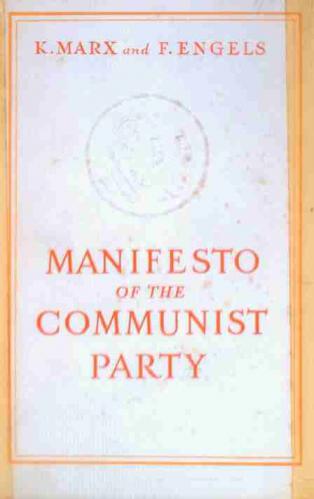
The Communist Manifesto
Marx and Engels'sCommunist Manifestohas become one of the world's most influential political tracts since its original 1848 publication. Part of the Rethinking the Western Tradition series, this edition of theManifestofeatures an extensive introduction by Jeffrey C. Isaac, and essays by Vladimir Tismaneanu, Steven Lukes, Saskia Sassen, and Stephen Eric Bronner, each well known for their writing on questions central to theManifestoand the history of Marxism. These essays address theManifesto's historical background, its impact on the development of twentieth-century Communism, its strengths and weaknesses as a form of ethical critique, and its relevance in the post-1989, post-Cold War world. This edition also includes much ancillary material, including the many Prefaces published in the lifetimes of Marx and Engels, and Engels's \"Principles of Communism.\"
eBook
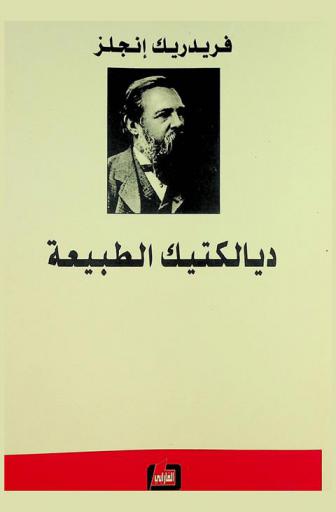
ديالكتيك الطبيعة
يمثل كتاب \"ديالكتيك الطبيعة\" واحدا من أبرز أعمال فريدريك إنجلز والكلاسيكيات الماركسية عامة ففيه يبسط الفهم المادي الديالكتيكي للطبيعة وعلومها فيكشف عن الديالكتيك الموضوعي في ميدان الطبيعة ويعمم أهم نتائج تطور العلوم الطبيعية ليبين أن القوانين الأساسية للديالكتيك عامة وشاملة وأن المادية الديالكتيكية هي الرؤية العلمية الوحيدة التي تعتمد على العلم اعتمادا كليا وتجد فيه ميدانا لاثبات صحتها ويتصدى المؤلف للايديولوجية البرجوازية التي عمل ممثلوها على إشاعة الأمزجة المثالية في أوساط علماء الطبيعة وفي سياق هذا يطرح إنجلز عددا من التنبؤات الهامة التي أثبتت مسيرة العلم اللاحقة تمام صحتها.
Book

دور العنف في التاريخ
إن العنف مولدة التاريخ. هذا ما يقوله كارل ماركس، وهذا ما يقدم فريدريك إنجاز عنه، في هذا الكتيب، عرضا نظريا شاملا، بالإضافة إلى دراسة تطبيقية عن الدور الذي يلعبه الصنف في التاريخ، وذلك في حالة حسية هي تكون وبناء الإمبراطورية الألمانية الجديدة التي أقام أسسها بسمارك، وقد عاصر إنجاز هذا البناء بمختلف مراحله وتقلباته، بحيث يعطينا هنا تحليلا عميقا لعله يخالف كل المخالفة ما نقرؤه في كتب التاريخ الأخرى عن بسمارك ونشاطه ودوره في إنشاء ألمانيا الحديثة.
BOOK

The Communist manifesto: a road map to history's most important political document
\"What is globalization? Here is one of the best answers. It is the 'constant revolutionizing of production' and the 'endless disturbance of all social conditions.' It is 'everlasting uncertainty.' Everything 'fixed and frozen' is 'swept away,' and 'all that is solid melts into air.' Yes, you have read this before. It is fromThe Communist Manifesto, by Messrs. Marx and Engels.\"-The New York Times Here, at last, is an authoritative introduction to history's most important political document, with the full text ofThe Communist Manifestoby Marx and Engels. This beautifully organized and presented edition ofThe Communist Manifestois fully annotated, with clear historical references and explication, additional related texts, and a glossary that will bring the text to life for students, as well as the general reader. Since it was first written in 1848, theManifestohas been translated into more languages than any other modern text. It has been banned, censored, burned, and declared \"dead.\" But year after year, the text only grows more influential, remaining required reading in courses on philosophy, politics, economics, and history. \"Apart from Charles Darwin'sOrigin of Species,\" notes theLos Angeles Times, theManifesto\"is arguably the most important work of nonfiction written in the 19th century.\"The Washington Postcalls Marx \"an astute critic of capitalism.\" Writing inThe New York Times, Columbia University Professor Steven Marcus describes theManifestoas a \"masterpiece\" with \"enduring insights into social existence.\" The New Yorkerrecently described Karl Marx as \"The Next Thinker\" for our era. This book will show readers why. Phil Gasperis a professor of philosophy at Notre Dame de Namur University in northern California. He writes extensively on politics and the philosophy of science and is a frequent contributor toCounterPunch.
eBook

تطور الاشتراكية من طوباوية إلى علم
تطور الاشتراكية من طوباوية الى علم من أهم المؤلفات الماركسية واشهرها واكثرها انتشارا، تكمن أهميته بالضبط في كونه يميز بين الاشتراكية العلمية والاشتراكية الطوباوية تمييزا يمكن معه للحركة العمالية أن تتعرف الاصلاحية الاجتماعية البرجوازية والاشتراكية البرجوازية الصغيرة ووظيفتها الاجتماعية، وأن تتخلص بالتالي من جميع التصورات غير الماركسية عن الاشتراكية.
BOOK