
Catalogue Search | MBRL


Are you sure you want to remove the book from the shelf?

{{itemTitle}}
3
result(s) for
"Esfandiary, Dina author"
Sort by:


Triple axis
The most significant challenge to the post-Cold War international order is the growing power of ambitious states opposed to the West. Iran, Russia and China each view the global structure through the prism of historical experience. Rejecting the universality of Western liberal values, these states and their governments each consider the relative decline of Western economic hegemony as an opportunity. Yet cooperation between them remains fragmentary. The end of Western sanctions and the Iranian nuclear deal; the Syrian conflict; new institutions in Central and East Asia: in all these areas and beyond, the potential for unity or divergence is striking. In this new and comprehensive study, Ariane Tabatabai and Dina Esfandiary address the substance of this `triple axis' in the realms of energy, trade, and military security. In particular they scrutinise Iran-Russia and the often overlooked field of Iran-China relations. Their argument - that interactions between the three will shape the world stage for decades to come - will be of interest to anyone looking to understand the contemporary international security puzzle.
eBook
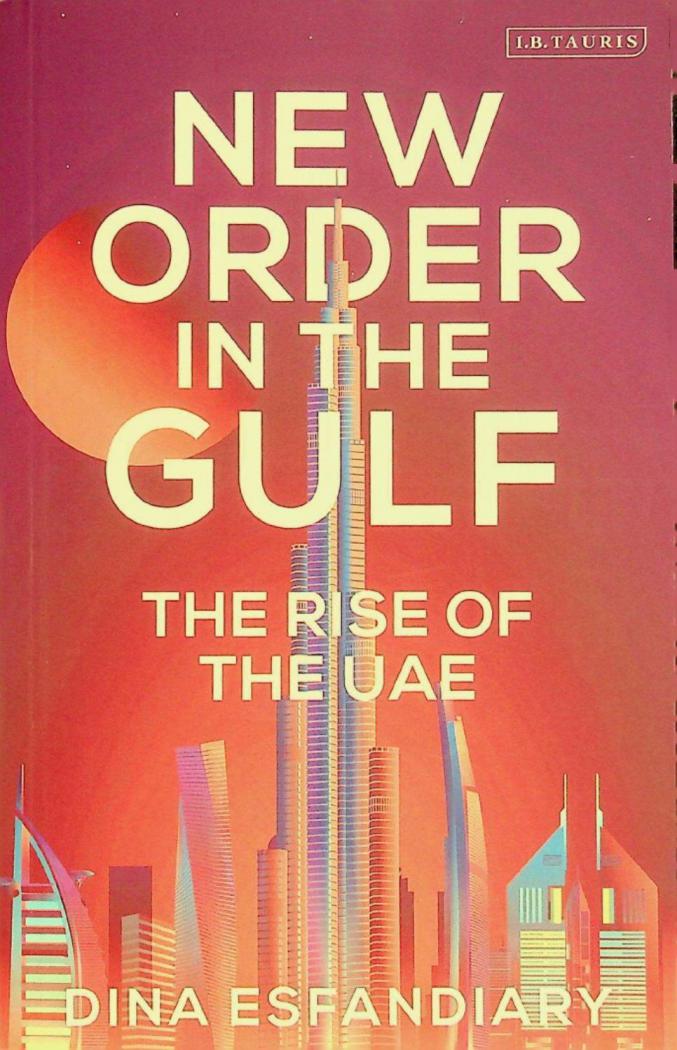
New order in the Gulf : the rise of the UAE
\"For over a decade now, thinking on regional relations in the Gulf has focused on the competition for regional hegemony between Iran and Saudi Arabia. Today, this perspective is outdated. The smaller Gulf Arab states, led by the United Arab Emirates, are calling for their own goals and interests to be considered and a new regional order has emerged. This book assesses the UAE's increasing power and the future challenges to security it poses. It is a contemporary history and analysis of the changing role of the UAE. Dina Esfandiary argues that the UAE has become more assertive in the pursuit of its own interests in the region and beyond - even when this puts it at odds with its regional allies. This behavior includes the build-up of its military and non-military capabilities, the diversification of its partners, and its willingness to use these resources. The book examines the regional causes of the UAE's growing assertiveness - especially the 2011 Arab Uprisings - as well as the international context such as the impact of the US-announced 'Pivot to Asia', the perceptions of waning US power in the Middle East, and the 2015 nuclear deal. The UAE's changing role in the region will profoundly affect regional security. This book points towards how smaller states in the region will interact with regional hegemons in the long term, as they learn from the UAE's assertiveness and seek to imitate it.\" --Publisher's description.
Book