
Catalogue Search | MBRL


Are you sure you want to remove the book from the shelf?

{{itemTitle}}
88
result(s) for
"Fairburn, Christopher G."
Sort by:
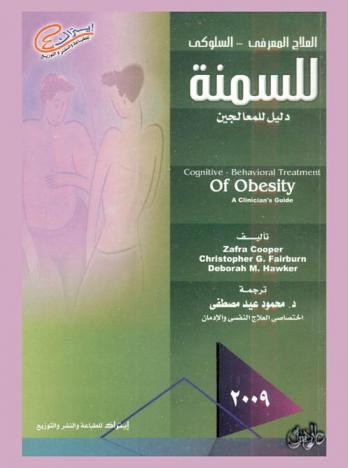
العلاج المعرفي السلوكي للسمنة : دليل للمعالجين
يعرض الكتاب الذي بين أيدينا الآن لأسلوب العلاج المعرفي السلوكي في علاج البدانة (السمنة) تأسيسا على ما تم في دراسة أوكسفورد يشير مؤلفوا الكتاب أن دراسة أوكسفورد لم يتم اختيار نتائجها على المدى البعيد، إلا أن نتائجها كانت حاسمة ودقيقة وفعالة في علاج البدانة والإضطرابات المرتبطة بها مثل أختلال صورة الذات وصورة الجسم والثقة بالنفس والتفاعل الإجتماعي.
Book

Eating disorders, DSM–5 and clinical reality
The DSM–IV scheme for classifying eating disorders is a poor reflection of clinical reality. In adults it recognises two conditions, anorexia nervosa and bulimia nervosa, yet these states are merely two presentations among many. As a consequence, at least half the cases seen in clinical practice are relegated to the residual diagnosis ‘eating disorder not otherwise specified’. The changes proposed for DSM–5 will only partially succeed in correcting this shortcoming. With DSM–6 in mind, it is clear that comprehensive transdiagnostic samples need to be studied with data collected on their current state, course and response to treatment. Only with such data will it be possible to derive an empirically based classificatory scheme that is both rooted in clinical reality and of value to clinicians.
Journal Article

The Healthy Activity Program (HAP), a lay counsellor-delivered brief psychological treatment for severe depression, in primary care in India: a randomised controlled trial
Although structured psychological treatments are recommended as first-line interventions for depression, only a small fraction of people globally receive these treatments because of poor access in routine primary care. We assessed the effectiveness and cost-effectiveness of a brief psychological treatment (Healthy Activity Program [HAP]) for delivery by lay counsellors to patients with moderately severe to severe depression in primary health-care settings.
In this randomised controlled trial, we recruited participants aged 18–65 years scoring more than 14 on the Patient Health Questionnaire 9 (PHQ-9) indicating moderately severe to severe depression from ten primary health centres in Goa, India. Pregnant women or patients who needed urgent medical attention or were unable to communicate clearly were not eligible. Participants were randomly allocated (1:1) to enhanced usual care (EUC) alone or EUC combined with HAP in randomly sized blocks (block size four to six [two to four for men]), stratified by primary health centre and sex, and allocation was concealed with use of sequential numbered opaque envelopes. Physicians providing EUC were masked. Primary outcomes were depression symptom severity on the Beck Depression Inventory version II and remission from depression (PHQ-9 score of <10) at 3 months in the intention-to-treat population, assessed by masked field researchers. Secondary outcomes were disability, days unable to work, behavioural activation, suicidal thoughts or attempts, intimate partner violence, and resource use and costs of illness. We assessed serious adverse events in the per-protocol population. This trial is registered with the ISRCTN registry, number ISRCTN95149997.
Between Oct 28, 2013, and July 29, 2015, we enrolled and randomly allocated 495 participants (247 [50%] to the EUC plus HAP group [two of whom were subsequently excluded because of protocol violations] and 248 [50%] to the EUC alone group), of whom 466 (95%) completed the 3 month primary outcome assessment (230 [49%] in the EUC plus HAP group and 236 [51%] in the EUC alone group). Participants in the EUC plus HAP group had significantly lower symptom severity (Beck Depression Inventory version II in EUC plus HAP group 19·99 [SD 15·70] vs 27·52 [13·26] in EUC alone group; adjusted mean difference −7·57 [95% CI −10·27 to −4·86]; p<0·0001) and higher remission (147 [64%] of 230 had a PHQ-9 score of <10 in the HAP plus EUC group vs 91 [39%] of 236 in the EUC alone group; adjusted prevalence ratio 1·61 [1·34–1·93]) than did those in the EUC alone group. EUC plus HAP showed better results than did EUC alone for the secondary outcomes of disability (adjusted mean difference −2·73 [–4·39 to −1·06]; p=0·001), days out of work (−2·29 [–3·84 to −0·73]; p=0·004), intimate partner physical violence in women (0·53 [0·29–0·96]; p=0·04), behavioural activation (2·17 [1·34–3·00]; p<0·0001), and suicidal thoughts or attempts (0·61 [0·45–0·83]; p=0·001). The incremental cost per quality-adjusted life-year gained was $9333 (95% CI 3862–28 169; 2015 international dollars), with an 87% chance of being cost-effective in the study setting. Serious adverse events were infrequent and similar between groups (nine [4%] in the EUC plus HAP group vs ten [4%] in the EUC alone group; p=1·00).
HAP delivered by lay counsellors plus EUC was better than EUC alone was for patients with moderately severe to severe depression in routine primary care in Goa, India. HAP was readily accepted by this previously untreated population and was cost-effective in this setting. HAP could be a key strategy to reduce the treatment gap for depressive disorders, the leading mental health disorder worldwide.
Wellcome Trust.
Journal Article
Counselling for Alcohol Problems (CAP), a lay counsellor-delivered brief psychological treatment for harmful drinking in men, in primary care in India: a randomised controlled trial
Although structured psychological treatments are recommended as first-line interventions for harmful drinking, only a small fraction of people globally receive these treatments because of poor access in routine primary care. We assessed the effectiveness and cost-effectiveness of Counselling for Alcohol Problems (CAP), a brief psychological treatment delivered by lay counsellors to patients with harmful drinking attending routine primary health-care settings.
In this randomised controlled trial, we recruited male harmful drinkers defined by an Alcohol Use Disorders Identification Test (AUDIT) score of 12–19 who were aged 18–65 years from ten primary health centres in Goa, India. We excluded patients who needed emergency medical treatment or inpatient admission, who were unable to communicate clearly, and who were intoxicated at the time of screening. Participants were randomly allocated (1:1) by trained health assistants based at the primary health centres to enhanced usual care (EUC) alone or EUC combined with CAP, in randomly sized blocks of four to six, stratified by primary health centre, and allocation was concealed with use of sequential numbered opaque envelopes. Physicians providing EUC and those assessing outcomes were masked. Primary outcomes were remission (AUDIT score of <8) and mean daily alcohol consumed in the past 14 days, at 3 months. Secondary outcomes were the effect of drinking, disability score, days unable to work, suicide attempts, intimate partner violence, and resource use and costs of illness. Analyses were on an intention-to-treat basis. We used logistic regression analysis for remission and zero-inflated negative binomial regression analysis for alcohol consumption. We assessed serious adverse events in the per-protocol population. This trial is registered with the ISCRTN registry, number ISRCTN76465238.
Between Oct 28, 2013, and July 29, 2015, we enrolled and randomly allocated 377 participants (188 [50%] to the EUC plus CAP group and 190 [50%] to the EUC alone group [one of whom was subsequently excluded because of a protocol violation]), of whom 336 (89%) completed the 3 month primary outcome assessment (164 [87%] in the EUC plus CAP group and 172 [91%] in the EUC alone group). The proportion with remission (59 [36%] of 164 in the EUC plus CAP group vs 44 [26%] of 172 in the EUC alone group; adjusted prevalence ratio 1·50 [95% CI 1·09–2·07]; p=0·01) and the proportion abstinent in the past 14 days (68 [42%] vs 31 [18%]; adjusted odds ratio 3·00 [1·76–5·13]; p<0·0001) were significantly higher in the EUC plus CAP group than in the EUC alone group, but we noted no effect on mean daily alcohol consumed in the past 14 days among those who reported drinking in this period (37·0 g [SD 44·2] vs 31·0 g [27·8]; count ratio 1·08 [0·79–1·49]; p=0·62). We noted an effect on the percentage of days abstinent in the past 14 days (adjusted mean difference [AMD] 16·0% [8·1–24·1]; p<0·0001), but no effect on the percentage of days of heavy drinking (AMD −0·4% [–5·7 to 4·9]; p=0·88), the effect of drinking (Short Inventory of Problems score AMD–0·03 [–1·93 to 1·86]; p=0.97), disability score (WHO Disability Assessment Schedule score AMD 0·62 [–0·62 to 1·87]; p=0·32), days unable to work (no days unable to work adjusted odds ratio 1·02 [0·61–1·69]; p=0.95), suicide attempts (adjusted prevalence ratio 1·8 [–2·4 to 6·0]; p=0·25), and intimate partner violence (adjusted prevalence ratio 3·0 [–10·4 to 4·4]; p=0·57). The incremental cost per additional remission was $217 (95% CI 50–1073), with an 85% chance of being cost-effective in the study setting. We noted no significant difference in the number of serious adverse events between the two groups (six [4%] in the EUC plus CAP group vs 13 [8%] in the EUC alone group; p=0·11).
CAP delivered by lay counsellors plus EUC was better than EUC alone was for harmful drinkers in routine primary health-care settings, and might be cost-effective. CAP could be a key strategy to reduce the treatment gap for alcohol use disorders, one of the leading causes of the global burden among men worldwide.
Wellcome Trust.
Journal Article

Treatments for bulimia nervosa: a network meta-analysis
Bulimia nervosa (BN) is a severe eating disorder that can be managed using a variety of treatments including pharmacological, psychological, and combination treatments. We aimed to compare their effectiveness and to identify the most effective for the treatment of BN in adults.
A search was conducted in Embase, Medline, PsycINFO, and Central from their inception to July 2016. Studies were included if they reported on treatments for adults who fulfilled diagnostic criteria for BN. Only randomised controlled trials (RCTs) that examined available psychological, pharmacological, or combination therapies licensed in the UK were included. We conducted a network meta-analysis (NMA) of RCTs. The outcome analysed was full remission at the end of treatment.
We identified 21 eligible trials with 1828 participants involving 12 treatments, including wait list. The results of the NMA suggested that individual cognitive behavioural therapy (CBT) (specific to eating disorders) was most effective in achieving remission at the end of treatment compared with wait list (OR 3.89, 95% CrI 1.19-14.02), followed by guided cognitive behavioural self-help (OR 3.81, 95% CrI 1.51-10.90). Inconsistency checks did not identify any significant inconsistency between the direct and indirect evidence.
The analysis suggested that the treatments that are most likely to achieve full remission are individual CBT (specific to eating disorders) and guided cognitive behavioural self-help, although no firm conclusions could be drawn due to the limited evidence base. There is a need for further research on the maintenance of treatment effects and the mediators of treatment outcome.
Journal Article

Sustained effectiveness and cost-effectiveness of the Healthy Activity Programme, a brief psychological treatment for depression delivered by lay counsellors in primary care: 12-month follow-up of a randomised controlled trial
The Healthy Activity Programme (HAP), a brief behavioural intervention delivered by lay counsellors, enhanced remission over 3 months among primary care attendees with depression in peri-urban and rural settings in India. We evaluated the sustainability of the effects after treatment termination, the cost-effectiveness of HAP over 12 months, and the effects of the hypothesized mediator of activation on clinical outcomes.
Primary care attendees aged 18-65 years screened with moderately severe to severe depression on the Patient Health Questionnaire 9 (PHQ-9) were randomised to either HAP plus enhanced usual care (EUC) (n = 247) or EUC alone (n = 248), of whom 95% completed assessments at 3 months, and 91% at 12 months. Primary outcomes were severity on the Beck Depression Inventory-II (BDI-II) and remission on the PHQ-9. HAP participants maintained the gains they showed at the end of treatment through the 12-month follow-up (difference in mean BDI-II score between 3 and 12 months = -0.34; 95% CI -2.37, 1.69; p = 0.74), with lower symptom severity scores than participants who received EUC alone (adjusted mean difference in BDI-II score = -4.45; 95% CI -7.26, -1.63; p = 0.002) and higher rates of remission (adjusted prevalence ratio [aPR] = 1.36; 95% CI 1.15, 1.61; p < 0.009). They also fared better on most secondary outcomes, including recovery (aPR = 1.98; 95% CI 1.29, 3.03; p = 0.002), any response over time (aPR = 1.45; 95% CI 1.27, 1.66; p < 0.001), higher likelihood of reporting a minimal clinically important difference (aPR = 1.42; 95% CI 1.17, 1.71; p < 0.001), and lower likelihood of reporting suicidal behaviour (aPR = 0.71; 95% CI 0.51, 1.01; p = 0.06). HAP plus EUC also had a marginal effect on WHO Disability Assessment Schedule score at 12 months (aPR = -1.58; 95% CI -3.33, 0.17; p = 0.08); other outcomes (days unable to work, intimate partner violence toward females) did not statistically significantly differ between the two arms. Economic analyses indicated that HAP plus EUC was dominant over EUC alone, with lower costs and better outcomes; uncertainty analysis showed that from this health system perspective there was a 95% chance of HAP being cost-effective, given a willingness to pay threshold of Intl$16,060-equivalent to GDP per capita in Goa-per quality-adjusted life year gained. Patient-reported behavioural activation level at 3 months mediated the effect of the HAP intervention on the 12-month depression score (β = -2.62; 95% CI -3.28, -1.97; p < 0.001). Serious adverse events were infrequent, and prevalence was similar by arm. We were unable to assess possible episodes of remission and relapse that may have occurred between our outcome assessment time points of 3 and 12 months after randomisation. We did not account for or evaluate the effect of mediators other than behavioural activation.
HAP's superiority over EUC at the end of treatment was largely stable over time and was mediated by patient activation. HAP provides better outcomes at lower costs from a perspective covering publicly funded healthcare services and productivity impacts on patients and their families.
ISRCTN registry ISRCTN95149997.
Journal Article
Effectiveness and costs associated with a lay counselor–delivered, brief problem-solving mental health intervention for adolescents in urban, low-income schools in India: 12-month outcomes of a randomized controlled trial
Psychosocial interventions for adolescent mental health problems are effective, but evidence on their longer-term outcomes is scarce, especially in low-resource settings. We report on the 12-month sustained effectiveness and costs of scaling up a lay counselor-delivered, transdiagnostic problem-solving intervention for common adolescent mental health problems in low-income schools in New Delhi, India.
Participants in the original trial were 250 school-going adolescents (mean [M] age = 15.61 years, standard deviation [SD] = 1.68), including 174 (69.6%) who identified as male. Participants were recruited from 6 government schools over a period of 4 months (August 20 to December 14, 2018) and were selected on the basis of elevated mental health symptoms and distress/functional impairment. A 2-arm, randomized controlled trial design was used to examine the effectiveness of a lay counselor-delivered, problem-solving intervention (4 to 5 sessions over 3 weeks) with supporting printed booklets (intervention arm) in comparison with problem solving delivered via printed booklets alone (control arm), at the original endpoints of 6 and 12 weeks. The protocol was modified, as per the recommendation of the Trial Steering Committee, to include a post hoc extension of the follow-up period to 12 months. Primary outcomes were adolescent-reported psychosocial problems (Youth Top Problems [YTP]) and mental health symptoms (Strengths and Difficulties Questionnaire [SDQ] Total Difficulties scale). Other self-reported outcomes included SDQ subscales, perceived stress, well-being, and remission. The sustained effects of the intervention were estimated at the 12-month endpoint and over 12 months (the latter assumed a constant effect across 3 follow-up points) using a linear mixed model for repeated measures and involving complete case analysis. Sensitivity analyses examined the effect of missing data using multiple imputations. Costs were estimated for delivering the intervention during the trial and from modeling a scale-up scenario, using a retrospective ingredients approach. Out of the 250 original trial participants, 176 (70.4%) adolescents participated in the 12-month follow-up assessment. One adverse event was identified during follow-up and deemed unrelated to the intervention. Evidence was found for intervention effects on both SDQ Total Difficulties and YTP at 12 months (YTP: adjusted mean difference [AMD] = -0.75, 95% confidence interval [CI] = -1.47, -0.03, p = 0.04; SDQ Total Difficulties: AMD = -1.73, 95% CI = -3.47, 0.02, p = 0.05), with stronger effects over 12 months (YTP: AMD = -0.98, 95% CI = -1.51, -0.45, p < 0.001; SDQ Total Difficulties: AMD = -1.23, 95% CI = -2.37, -0.09; p = 0.03). There was also evidence for intervention effects on internalizing symptoms, impairment, perceived stress, and well-being over 12 months. The intervention effect was stable for most outcomes on sensitivity analyses adjusting for missing data; however, for SDQ Total Difficulties and impairment, the effect was slightly attenuated. The per-student cost of delivering the intervention during the trial was $3 United States dollars (USD; or $158 USD per case) and for scaling up the intervention in the modeled scenario was $4 USD (or $23 USD per case). The scaling up cost accounted for 0.4% of the per-student school budget in New Delhi. The main limitations of the study's methodology were the lack of sample size calculations powered for 12-month follow-up and the absence of cost-effectiveness analyses using the primary outcomes.
In this study, we observed that a lay counselor-delivered, brief transdiagnostic problem-solving intervention had sustained effects on psychosocial problems and mental health symptoms over the 12-month follow-up period. Scaling up this resource-efficient intervention is an affordable policy goal for improving adolescents' access to mental health care in low-resource settings. The findings need to be interpreted with caution, as this study was a post hoc extension, and thus, the sample size calculations did not take into account the relatively high attrition rate observed during the long-term follow-up.
ClinicalTrials.gov NCT03630471.
Journal Article
Sustained effectiveness and cost-effectiveness of Counselling for Alcohol Problems, a brief psychological treatment for harmful drinking in men, delivered by lay counsellors in primary care: 12-month follow-up of a randomised controlled trial
Counselling for Alcohol Problems (CAP), a brief intervention delivered by lay counsellors, enhanced remission and abstinence over 3 months among male primary care attendees with harmful drinking in a setting in India. We evaluated the sustainability of the effects after treatment termination, the cost-effectiveness of CAP over 12 months, and the effects of the hypothesized mediator 'readiness to change' on clinical outcomes.
Male primary care attendees aged 18-65 years screening with harmful drinking on the Alcohol Use Disorders Identification Test (AUDIT) were randomised to either CAP plus enhanced usual care (EUC) (n = 188) or EUC alone (n = 189), of whom 89% completed assessments at 3 months, and 84% at 12 months. Primary outcomes were remission and mean standard ethanol consumed in the past 14 days, and the proposed mediating variable was readiness to change at 3 months. CAP participants maintained the gains they showed at the end of treatment through the 12-month follow-up, with the proportion with remission (AUDIT score < 8: 54.3% versus 31.9%; adjusted prevalence ratio [aPR] 1.71 [95% CI 1.32, 2.22]; p < 0.001) and abstinence in the past 14 days (45.1% versus 26.4%; adjusted odds ratio 1.92 [95% CI 1.19, 3.10]; p = 0.008) being significantly higher in the CAP plus EUC arm than in the EUC alone arm. CAP participants also fared better on secondary outcomes including recovery (AUDIT score < 8 at 3 and 12 months: 27.4% versus 15.1%; aPR 1.90 [95% CI 1.21, 3.00]; p = 0.006) and percent of days abstinent (mean percent [SD] 71.0% [38.2] versus 55.0% [39.8]; adjusted mean difference 16.1 [95% CI 7.1, 25.0]; p = 0.001). The intervention effect for remission was higher at 12 months than at 3 months (aPR 1.50 [95% CI 1.09, 2.07]). There was no evidence of an intervention effect on Patient Health Questionnaire 9 score, suicidal behaviour, percentage of days of heavy drinking, Short Inventory of Problems score, WHO Disability Assessment Schedule 2.0 score, days unable to work, or perpetration of intimate partner violence. Economic analyses indicated that CAP plus EUC was dominant over EUC alone, with lower costs and better outcomes; uncertainty analysis showed a 99% chance of CAP being cost-effective per remission achieved from a health system perspective, using a willingness to pay threshold equivalent to 1 month's wages for an unskilled manual worker in Goa. Readiness to change level at 3 months mediated the effect of CAP on mean standard ethanol consumption at 12 months (indirect effect -6.014 [95% CI -13.99, -0.046]). Serious adverse events were infrequent, and prevalence was similar by arm. The methodological limitations of this trial are the susceptibility of self-reported drinking to social desirability bias, the modest participation rates of eligible patients, and the examination of mediation effects of only 1 mediator and in only half of our sample.
CAP's superiority over EUC at the end of treatment was largely stable over time and was mediated by readiness to change. CAP provides better outcomes at lower costs from a societal perspective.
ISRCTN registry ISRCTN76465238.
Journal Article

Pilot randomised controlled trial of a remotely delivered online intervention for adolescent mental health problems in India: lessons learned about low acceptability and feasibility during the COVID-19 pandemic
'POD Adventures' is a gamified problem-solving intervention delivered via smartphone app, and supported by non-specialist counsellors for a target population of secondary school students in India during the COVID-19 pandemic.
To evaluate the feasibility and acceptability of undertaking a randomised controlled trial of POD Adventures when delivered online with telephone support from counsellors.
We conducted a parallel, two-arm, individually randomised pilot-controlled trial with 11 secondary schools in Goa, India. Participants received either the POD Adventures intervention delivered over 4 weeks or usual care comprising information about local mental health services and national helplines. Outcomes were assessed at two timepoints: baseline and 6 weeks post-randomisation.
Seventy-nine classroom sensitisation sessions reaching a total of 1575 students were conducted. Ninety-two self-initiated study referrals (5.8%) were received, but only 11 participants enrolled in the study. No intervention arm participants completed the intervention. Outcomes at 6 weeks were not available for intervention arm participants (
= 5), and only four control arm participants completed outcomes. No qualitative interviews or participant satisfaction measures were completed because participants could not be reached by the study team.
Despite modifications to address barriers arising from COVID-19 restrictions, online delivery was not feasible in the study context. Low recruitment and missing feasibility and acceptability data make it difficult to draw conclusions about intervention engagement and indicative clinical outcomes. Prior findings showing high uptake, adherence and engagement with POD Adventures when delivered in a school-based context suggest that an online study and delivery posed the biggest barriers to study participation and engagement.
Journal Article

Imagery-Focused Cognitive Therapy (ImCT) for Mood Instability and Anxiety in a Small Sample of Patients with Bipolar Disorder: a Pilot Clinical Audit
Background: Despite the global impact of bipolar disorder (BD), treatment success is limited. Challenges include syndromal and subsyndromal mood instability, comorbid anxiety, and uncertainty around mechanisms to target. The Oxford Mood Action Psychology Programme (OxMAPP) offered a novel approach within a cognitive behavioural framework, via mental imagery-focused cognitive therapy (ImCT). Aims: This clinical audit evaluated referral rates, clinical outcomes and patient satisfaction with the OxMAPP service. Method: Eleven outpatients with BD received ImCT in addition to standard psychiatric care. Mood data were collected weekly from 6 months pre-treatment to 6 months post-treatment via routine mood monitoring. Anxiety was measured weekly from start of treatment until 1 month post-treatment. Patient feedback was provided via questionnaire. Results: Referral and treatment uptake rates indicated acceptability to referrers and patients. From pre- to post-treatment, there was (i) a significant reduction in the duration of depressive episode relapses, and (ii) a non-significant trend towards a reduction in the number of episodes, with small to medium effect size. There was a large effect size for the reduction in weekly anxiety symptoms from assessment to 1 month follow-up. Patient feedback indicated high levels of satisfaction with ImCT, and underscored the importance of the mental imagery focus. Conclusions: This clinical audit provides preliminary evidence that ImCT can help improve depressive and anxiety symptoms in BD as part of integrated clinical care, with high patient satisfaction and acceptability. Formal assessment designs are needed to further test the feasibility and efficacy of the new ImCT treatment on anxiety and mood instability.
Journal Article