
Catalogue Search | MBRL


Are you sure you want to remove the book from the shelf?

{{itemTitle}}
185
result(s) for
"Fang, Alice"
Sort by:
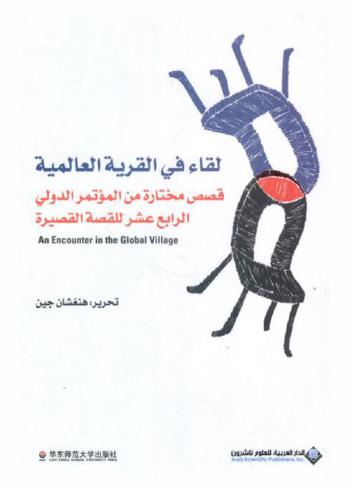
لقاء في القرية العالمية = An encounter in the global village : قصص مختارة من المؤتمر الدولي الرابع عشر للقصة القصيرة
هذا الكتاب يحتوي على قصص مختارة من المؤتمر الدولي الرابع عشر للقصة القصيرة وهذا اللقاء الذي نظم من قبل جمعية دراسة القصص القصيرة الإنجليزية (أس أس أس أس إي) وهي جمعية عالمية أنشئت في الولايات المتحدة عام 1992 وينعقد كل عامين ويعتبر اللقاء العالمي الوحيد الذي يركز بشكل خاص على دراسات القصة القصيرة أما القصص المشاركة في اللقاء فهي مكتوبة من قبل 29 كاتبا ينتمون إلى عشرة دول هي الصين وتايوان والهند والولايات المتحدة وكندا ونيوزلندا وفرنسا وإيرلندا والنمسا وسنغافورا وجامايكا.
BOOK

Nasal High-Flow Therapy for Newborn Infants in Special Care Nurseries
In a multicenter randomized trial comparing nasal high-flow therapy with continuous positive airway pressure (CPAP) as initial respiratory support for newborns in nontertiary special care nurseries, high-flow therapy was not noninferior to CPAP and resulted in a significantly higher incidence of treatment failure.
Journal Article

SWI/SNF ATPase silenced HLF potentiates lung metastasis in solid cancers
Metastasis is the main cause of cancer-related deaths, yet the underlying mechanisms remain elusive. Here, using clear cell renal cell carcinoma (ccRCC), a tumor type with frequent lung metastases, we conduct an in vivo genome-wide CRISPR-Cas9 screen and identify HLF as a potent suppressor of lung metastasis.
HLF
depletion enhances ccRCC cell migration and lung metastasis, whereas
HLF
overexpression abrogates these effects. In ccRCC patients,
HLF
expression is reduced at metastatic sites and associates with epigenetic silencing mediated by the SWI/SNF ATPase subunit BRG1.
HLF
levels negatively correlate with migration potential in collagen. Mechanistically, HLF regulates
LPXN
expression, modulating the integration of collagen’s mechanical cues with the actin cytoskeleton through Paxillin, thereby suppressing cancer cell migration and lung metastasis. Overexpression of
HLF
or pharmacological inhibition of BRG1 reduces cell invasion across multiple cancer types. Our findings suggest that targeting the BRG1-HLF axis offers a promising therapeutic strategy for combating metastatic cancers.
Clear cell renal cell carcinoma (ccRCC) usually metastasizes to the lungs. Here, the authors discover that SWI/SNF ATPase subunit SMARCA4 silencing of HLF regulates ccRCC lung metastasis by modulating the integration of collagen's mechanical cues with the actin cytoskeleton through leupaxin.
Journal Article

Child and parental perspectives on diet and physical activity decisions: Implications for childhood obesity prevention in China
Background and Objectives: Obesity has become a global epidemic. In China, 42% of adults and about onefifth of children are overweight or obese. In major cities, about one-third of boys are overweight or obese. This study aimed to understand how children and parents in China make eating and physical activity (PA) decisions, considering individual, family, community, social, and environmental factors, and to collect parents' recommendations for interventions to promote healthy eating and physical activity.
Methods and Study Design: Children (n=41, aged 10-15 years) and their parents (n=41) participated in eight semi-structured focus groups (FGs) in Beijing (in North China) and Nanjing (South China). Each site conducted two FGs with children and two FGs with parents. A framework analysis of FG data was conducted with NVivo.
Results: Three main themes were identified: Children chose food based on flavor, and consumption of unhealthy snacks was prevalent; there were inconsistent standards and practices of school lunch services across schools; students had limited PA time due to academic demand. Students favored high-calorie snacks over fruits or vegetables. Students' and parents' perceptions of school lunch services varied among schools in terms of operation, price, quality, nutritious options, and food taste. Most students reported enjoying PA but spent little time in PA, due to study burdens. Parents made recommendations for improving school food services and increasing PA during and after school.
Conclusions: These findings will help develop family- and school-targeted health promotion interventions. Intervention framing must consider the unique Chinese social and cultural context.
Journal Article

Evaluation of oral dextrose gel for prevention of neonatal hypoglycemia (hPOD): A multicenter, double-blind randomized controlled trial
Neonatal hypoglycemia is common and can cause brain injury. Buccal dextrose gel is effective for treatment of neonatal hypoglycemia, and when used for prevention may reduce the incidence of hypoglycemia in babies at risk, but its clinical utility remains uncertain.
We conducted a multicenter, double-blinded, placebo-controlled randomized trial in 18 New Zealand and Australian maternity hospitals from January 2015 to May 2019. Babies at risk of neonatal hypoglycemia (maternal diabetes, late preterm, or high or low birthweight) without indications for neonatal intensive care unit (NICU) admission were randomized to 0.5 ml/kg buccal 40% dextrose or placebo gel at 1 hour of age. Primary outcome was NICU admission, with power to detect a 4% absolute reduction. Secondary outcomes included hypoglycemia, NICU admission for hypoglycemia, hyperglycemia, breastfeeding at discharge, formula feeding at 6 weeks, and maternal satisfaction. Families and clinical and study staff were unaware of treatment allocation. A total of 2,149 babies were randomized (48.7% girls). NICU admission occurred for 111/1,070 (10.4%) randomized to dextrose gel and 100/1,063 (9.4%) randomized to placebo (adjusted relative risk [aRR] 1.10; 95% CI 0.86, 1.42; p = 0.44). Babies randomized to dextrose gel were less likely to become hypoglycemic (blood glucose < 2.6 mmol/l) (399/1,070, 37%, versus 448/1,063, 42%; aRR 0.88; 95% CI 0.80, 0.98; p = 0.02) although NICU admission for hypoglycemia was similar between groups (65/1,070, 6.1%, versus 48/1,063, 4.5%; aRR 1.35; 95% CI 0.94, 1.94; p = 0.10). There were no differences between groups in breastfeeding at discharge from hospital (aRR 1.00; 95% CI 0.99, 1.02; p = 0.67), receipt of formula before discharge (aRR 0.99; 95% CI 0.92, 1.08; p = 0.90), and formula feeding at 6 weeks (aRR 1.01; 95% CI 0.93, 1.10; p = 0.81), and there was no hyperglycemia. Most mothers (95%) would recommend the study to friends. No adverse effects, including 2 deaths in each group, were attributable to dextrose gel. Limitations of this study included that most participants (81%) were infants of mothers with diabetes, which may limit generalizability, and a less reliable analyzer was used in 16.5% of glucose measurements.
In this placebo-controlled randomized trial, prophylactic dextrose gel 200 mg/kg did not reduce NICU admission in babies at risk of hypoglycemia but did reduce hypoglycemia. Long-term follow-up is needed to determine the clinical utility of this strategy.
ACTRN 12614001263684.
Journal Article


Sequencing and curation strategies for identifying candidate glioblastoma treatments
Background
Prompted by the revolution in high-throughput sequencing and its potential impact for treating cancer patients, we initiated a clinical research study to compare the ability of different sequencing assays and analysis methods to analyze glioblastoma tumors and generate real-time potential treatment options for physicians.
Methods
A consortium of seven institutions in New York City enrolled 30 patients with glioblastoma and performed tumor whole genome sequencing (WGS) and RNA sequencing (RNA-seq; collectively WGS/RNA-seq); 20 of these patients were also analyzed with independent targeted panel sequencing. We also compared results of expert manual annotations with those from an automated annotation system, Watson Genomic Analysis (WGA), to assess the reliability and time required to identify potentially relevant pharmacologic interventions.
Results
WGS/RNAseq identified more potentially actionable clinical results than targeted panels in 90% of cases, with an average of 16-fold more unique potentially actionable variants identified per individual; 84 clinically actionable calls were made using WGS/RNA-seq that were not identified by panels. Expert annotation and WGA had good agreement on identifying variants [mean sensitivity = 0.71, SD = 0.18 and positive predictive value (PPV) = 0.80, SD = 0.20] and drug targets when the same variants were called (mean sensitivity = 0.74, SD = 0.34 and PPV = 0.79, SD = 0.23) across patients. Clinicians used the information to modify their treatment plan 10% of the time.
Conclusion
These results present the first comprehensive comparison of technical and machine augmented analysis of targeted panel and WGS/RNA-seq to identify potential cancer treatments.
Journal Article

What Made a Successful Hepatitis B Program for Reducing Liver Cancer Disparities: An Examination of Baseline Characteristics and Educational Intervention, Infection Status, and Missing Responses of At-Risk Asian Americans
Asian Americans, compared with other racial/ethnic groups, are disproportionately affected by Hepatitis B disease. The literature suggests that knowledge and awareness of prevention strategies such as receiving hepatitis B screening and vaccination are potential factors associated with occurrence of hepatitis B and liver cancer, while it is unclear how baseline characteristics relate to these effective hepatitis B prevention strategies. In the study, five Asian-American groups in the state of Maryland completed self-administered pre- and post-test after receiving lectures on hepatitis B prevention, and participated in blood screening for Hepatitis B. T-test and one-way ANOVA were used to explore the differences of baseline characteristics among these participants. Logistic regression was employed to study the baseline factors and association with completion of tests. All groups were significantly different in socioeconomic characteristics except for gender and immunization status, and only marginally different in infection status (P = 0.089). The mean pre- and post-test scores were different by group (P < 0.01). All groups had significantly improved knowledge of prevention (F = 7.65, P < 0.01). Age and race were positively related to immunization status, with older participants are more likely to get vaccinated (OR = 1.02, CI = 1.00-1.03). Chinese, Korean and Vietnamese were more likely to receive vaccination. For infection, only gender was correlated with infection status, with odds of being HBV carriers for females being 74% less than that for males (OR = 0.26, CI = 0.07-0.90). Participants who had only high school or lower education, retired, self-employed, higher income level, and married were less likely to complete surveys. The study found correlations of gender, infection status, age and race with immunization status. Males are more likely to be HBV carriers. It reveals new findings on the relationship between baseline characteristics and the completion of pre- and post-tests and missing responses. The information may provide potential directions for improve preventive program for at-risk communities.
Journal Article

A Structural Model of Alcohol Use Pathways Among Latino Youth
Objectives: To determine the pathways to alcohol use among adolescents.Methods: A cross-sectional study of risk and protective factors among a sample of Latino youth (aged 11- 13) was conducted.Results: Peer norms and school connectedness
had direct pathways to alcohol use. Self-concept was related to peer norms. Youth who were less acculturated were more likely to believe that their peers drank. Family monitoring, connectedness, and academic support did not have direct pathways to alcohol use.Conclusions:
Peer norms appear critical in shaping adolescent involvement with alcohol. The protective influence of family and academic support appear to be indirect.
Journal Article
A structural model of alcohol use pathways among Latino youth
To determine the pathways to alcohol use among adolescents.OBJECTIVESTo determine the pathways to alcohol use among adolescents.A cross-sectional study of risk and protective factors among a sample of Latino youth (aged 11-13) was conducted.METHODSA cross-sectional study of risk and protective factors among a sample of Latino youth (aged 11-13) was conducted.Peer norms and school connectedness had direct pathways to alcohol use. Self-concept was related to peer norms. Youth who were less acculturated were more likely to believe that their peers drank. Family monitoring, connectedness, and academic support did not have direct pathways to alcohol use.RESULTSPeer norms and school connectedness had direct pathways to alcohol use. Self-concept was related to peer norms. Youth who were less acculturated were more likely to believe that their peers drank. Family monitoring, connectedness, and academic support did not have direct pathways to alcohol use.Peer norms appear critical in shaping adolescent involvement with alcohol. The protective influence of family and academic support appear to be indirect.CONCLUSIONSPeer norms appear critical in shaping adolescent involvement with alcohol. The protective influence of family and academic support appear to be indirect.
Journal Article