
Catalogue Search | MBRL


Are you sure you want to remove the book from the shelf?

{{itemTitle}}
597
result(s) for
"Ferguson, Charles D"
Sort by:


The Four Faces of Nuclear Terrorism
The Four Faces of Nuclear Terrorism, a new book from the Center for Nonproliferation Studies, assesses the motivations and capabilities of terrorist organizations to acquire and use nuclear weapons, to fabricate and and detonate crude nuclear explosives, to strike nuclear power plants and other nuclear facilities, and to build and employ radiological weapons or \"dirty bombs.\"
eBook
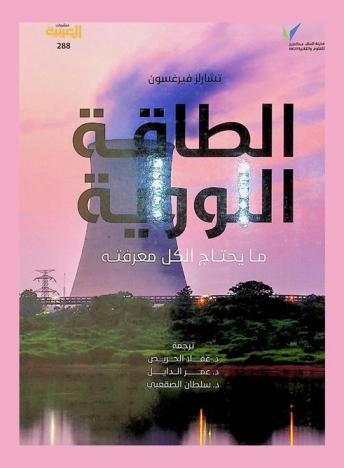
الطاقة النووية : ما يحتاج الكل معرفته
يتناول كتاب \"الطاقة النووية : ما يحتاج الكل معرفته\" والذي قام بتأليفه \"تشارلز فيرغسون\" في حوالي (235) صفحة من القطع المتوسط موضوع (الطاقة النووية)، يقدم Charles D. Ferguson وصفا موثوقا للحقائق الأساسية حول الطاقة النووية. ما هو أصل الطاقة النووية ؟ ما هي الدول التي تستخدم الطاقة النووية التجارية وما مقدار الكهرباء التي تحصل عليها منها ؟ كيف يمكن جعل محطات الطاقة النووية المستقبلية أكثر أمانا ؟ ما الذي يمكن أن تفعله الدول لحماية منشآتها النووية من الهجمات العسكرية ؟ ما مدى خطورة النفايات المشعة ؟ هل الطاقة النووية مصدر طاقة متجددة ؟ يضم مناقشة للأزمة النووية الأخيرة في اليابان وتداعياتها، يعالج فيرغسون هذه الأسئلة وأكثر في كتاب ضروري لأي شخص يتطلع إلى معرفة المزيد عن هذه القضية المهمة.
BOOK

Nuclear Energy
Originally perceived as a cheap and plentiful source of power, the commercial use of nuclear energy has been controversial for decades. Worries about the dangers that nuclear plants and their radioactive waste posed to nearby communities grew over time, and plant construction in the United States virtually died after the early 1980s. The 1986 disaster at Chernobyl only reinforced nuclear power's negative image. Yet in the decade prior to the Japanese nuclear crisis of 2011, sentiment about nuclear power underwent a marked change. The alarming acceleration of global warming due to the burning of fossil fuels and concern about dependence on foreign fuel has led policymakers, climate scientists, and energy experts to look once again at nuclear power as a source of energy. In this accessible overview, Charles D. Ferguson provides an authoritative account of the key facts about nuclear energy. What is the origin of nuclear energy? What countries use commercial nuclear power, and how much electricity do they obtain from it? How can future nuclear power plants be made safer? What can countries do to protect their nuclear facilities from military attacks? How hazardous is radioactive waste? Is nuclear energy a renewable energy source? Featuring a discussion of the recent nuclear crisis in Japan and its ramifications, Ferguson addresses these questions and more in a book that is essential for anyone looking to learn more about this important issue.
eBook

Do not phase out nuclear power — yet
If spent fuel catches fire, radioactive materials can be widely dispersed. Because of decreased public confidence following the Japanese accident, governments and industry must have an honest conversation about the role of nuclear energy in meeting consumers' electricity demands, the typically high safety record of almost all plants and the risks of this technology.
Journal Article

Nuclear energy
Originally perceived as a cheap and plentiful source of power, the commercial use of nuclear energy has been controversial for decades. Worries about the dangers that nuclear plants and their radioactive waste posed to nearby communities grew over time, and plant construction in the United States virtually died after the early 1980s. The 1986 disaster at Chernobyl only reinforced nuclear power's negative image. Yet in the decade prior to the Japanese nuclear crisis of 2011, sentiment about nuclear power underwent a marked change. The alarming acceleration of global warming due to the burning of fossil fuels and concern about dependence on foreign fuel has led policymakers, climate scientists, and energy experts to look once again at nuclear power as a source of energy. In this accessible overview, Charles D. Ferguson provides an authoritative account of the key facts about nuclear energy. What is the origin of nuclear energy? What countries use commercial nuclear power, and how much electricity do they obtain from it? How can future nuclear power plants be made safer? What can countries do to protect their nuclear facilities from military attacks? How hazardous is radioactive waste? Is nuclear energy a renewable energy source? Featuring a discussion of the recent nuclear crisis in Japan and its ramifications, Ferguson addresses these questions and more in a book that is essential for anyone looking to learn more about this important issue.
eBook
A US nuclear future?
[...] facilities often require the installation of power lines crossing state boundaries. [...] effective and innovative financing needs to be developed by governments. [...] each 1,000-megawatt nuclear plant loses between 40 million and 80 million litres of water a day through evaporation.
Journal Article

On Eliminating WMD
The author would like to address two important issues that are the connection of US conventional military dominance to certain countries' interest in nuclear weapons and the connection of an increased and more widespread use of nuclear energy to the proliferation of nuclear weapons. Concerning the first issue, even if the US were to eliminate its nuclear arsenal tomorrow, it would still retain its conventional military superiority over the rest of the world. The second issue involves the continuing risk of nuclear proliferation in a world where nuclear energy is allowed to flourish.
Journal Article