
Catalogue Search | MBRL


Are you sure you want to remove the book from the shelf?

{{itemTitle}}
65
result(s) for
"Fine, Peter D."
Sort by:
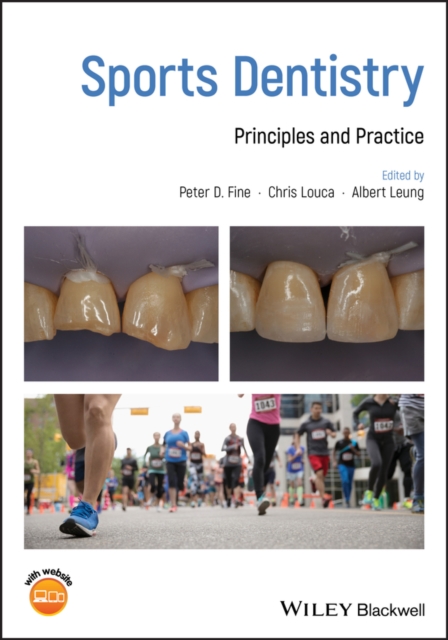
Sports dentistry : principles and practice
Sports Dentistry: Principles and Practice is a comprehensive resource that addresses all aspects of this burgeoning field of dentistry. Provides a comprehensive manual that covers the fundamental principles and practice of sports dentistry Addresses all aspects of sports dentistry, including treatment of injuries, preventative measures, oral.
eBook

The teaching of occlusion in undergraduate dental schools in the UK and Ireland
Aim This study investigated and evaluated the teaching of occlusion in undergraduate dental schools in the UK and Ireland, the thorough understanding of which would facilitate young graduates to become competent practitioners.Material and methods A mixed-methods approach was employed, with primary data generated and collected by using a cross-sectional, questionnaire-based survey which was followed-up by semi-structured interviews. The hard copy questionnaires enquired about: i) whether occlusion was taught; ii) how long was spent by schools teaching occlusion; iii) what teaching resources were employed; iv) tutors' perceptions of how well prepared for general practice new graduates were; and v) how was knowledge/skill assessed. Follow-up interviews were undertaken with volunteering respondents to triangulate responses. Quantitative data were analysed using descriptive statistics and qualitative data were stored using the Framework Method and analysis using a thematic approach.Results One hundred percent (n = 18) of schools responded to the questionnaire and 66.67% (n = 12) of the schools participated in follow-up interviews. All schools reported that they taught occlusion in their curriculum. Total hours reported teaching occlusion varied from 11 to 310 hours. Twenty-eight percent (n = 5) of respondents reported insufficient time for the teaching of occlusion in the curriculum. There was a marked variation in: i) teaching methods; ii) resources employed; iii) assessment strategies to evaluate competency in occlusion; and iv) how well prepared students were. Thematic analysis of the qualitative data identified several themes: i) variations in teaching pedagogy; ii) use of different resources; iii) variable assessment techniques; iv) evaluation of teaching; and v) barriers to teaching occlusion.Conclusion Recommendations for a coordinated teaching strategy with dedicated oversight to facilitate better student exposure to occlusion and promote student understanding of this topic is suggested.
Journal Article
Prevention of Sporting Dental Injuries
This chapter looks at the limited evidence to support early intervention by an orthodontist as a preventative measure, the need to educate athletes, coaches, and managers about the dental implications of a high carbohydrate diet and mouth guards. Concussions were reported most frequently to a certified athletic trainer. The ultimate concern associated with unreported concussion is an athlete's increased risk of cumulative or catastrophic effects from recurrent injury. Schools have a responsibility to prevent injuries to students whilst in their care. The wearing of a helmet is not compulsory, but is associated with reduced risk of head injury among snowboarders and alpine skiers. There is little scientific evidence to support the idea that early intervention orthodontics to reduce a severe overjet is beneficial in preventing sporting trauma. There is evidence that a well constructed mouth guard will protect the temporo mandibular joint from trauma.
Book Chapter

Dealing with Dental Trauma
This chapter considers the various injuries that occur to the hard and soft intraoral tissues and the options that are available to treat those injuries on an immediate, midterm, and long‐term basis. It discusses the equipment needed to develop a pitch‐side emergency dental kit, for any dentist or associated professional who may be able to give immediate relief and treatment to an injured athlete. Trauma to the supporting structures of the teeth can be classified as: concussion, lateral luxation, subluxation, intrusion, extrusion, and avulsion. The chapter outlines the types of root fracture commonly seen, looks at the response of the tissues to root fractures, and discusses the treatment options following a root fracture. It deals with the splinting techniques that provide support for traumatized teeth during the initial healing phase. Prolonged use of a splint can result in ankylosis of the tooth, which may be transient unless the injury to the cementum is extensive.
Book Chapter
Introduction
This introduction presents an overview of the key concepts discussed in the subsequent chapters of this book. The book provides invaluable information about the recommended, evidence‐based manner to provide for the dental needs of all athletes. It gives an insight into dental issues commonly seen with athletes and some guidance on how to deal with certain dental/orofacial emergency situations if a dentist is not immediately present. The book describes different types of dental trauma, how to deal with trauma both on the 'field of play' and in the emergency room/surgery. It considers how to repair fractured teeth using conventional dental restorative techniques. The book also considers role of hydration with athletes in some detail. In common with all dental patients, it is important to emphasise the significant role that education plays in sports dentistry.
Book Chapter

Atezolizumab in patients with locally advanced and metastatic urothelial carcinoma who have progressed following treatment with platinum-based chemotherapy: a single-arm, multicentre, phase 2 trial
Patients with metastatic urothelial carcinoma have few treatment options after failure of platinum-based chemotherapy. In this trial, we assessed treatment with atezolizumab, an engineered humanised immunoglobulin G1 monoclonal antibody that binds selectively to programmed death ligand 1 (PD-L1), in this patient population.
For this multicentre, single-arm, two-cohort, phase 2 trial, patients (aged ≥18 years) with inoperable locally advanced or metastatic urothelial carcinoma whose disease had progressed after previous platinum-based chemotherapy were enrolled from 70 major academic medical centres and community oncology practices in Europe and North America. Key inclusion criteria for enrolment were Eastern Cooperative Oncology Group performance status of 0 or 1, measurable disease defined by Response Evaluation Criteria In Solid Tumors version 1.1 (RECIST v1.1), adequate haematological and end-organ function, and no autoimmune disease or active infections. Formalin-fixed paraffin-embedded tumour specimens with sufficient viable tumour content were needed from all patients before enrolment. Patients received treatment with intravenous atezolizumab (1200 mg, given every 3 weeks). PD-L1 expression on tumour-infiltrating immune cells (ICs) was assessed prospectively by immunohistochemistry. The co-primary endpoints were the independent review facility-assessed objective response rate according to RECIST v1.1 and the investigator-assessed objective response rate according to immune-modified RECIST, analysed by intention to treat. A hierarchical testing procedure was used to assess whether the objective response rate was significantly higher than the historical control rate of 10% at an α level of 0·05. This study is registered with ClinicalTrials.gov, number NCT02108652.
Between May 13, 2014, and Nov 19, 2014, 486 patients were screened and 315 patients were enrolled into the study. Of these patients, 310 received atezolizumab treatment (five enrolled patients later did not meet eligibility criteria and were not dosed with study drug). The PD-L1 expression status on infiltrating immune cells (ICs) in the tumour microenvironment was defined by the percentage of PD-L1-positive immune cells: IC0 (<1%), IC1 (≥1% but <5%), and IC2/3 (≥5%). The primary analysis (data cutoff May 5, 2015) showed that compared with a historical control overall response rate of 10%, treatment with atezolizumab resulted in a significantly improved RECIST v1.1 objective response rate for each prespecified immune cell group (IC2/3: 27% [95% CI 19–37], p<0·0001; IC1/2/3: 18% [13–24], p=0·0004) and in all patients (15% [11–20], p=0·0058). With longer follow-up (data cutoff Sept 14, 2015), by independent review, objective response rates were 26% (95% CI 18–36) in the IC2/3 group, 18% (13–24) in the IC1/2/3 group, and 15% (11–19) overall in all 310 patients. With a median follow-up of 11·7 months (95% CI 11·4–12·2), ongoing responses were recorded in 38 (84%) of 45 responders. Exploratory analyses showed The Cancer Genome Atlas (TCGA) subtypes and mutation load to be independently predictive for response to atezolizumab. Grade 3–4 treatment-related adverse events, of which fatigue was the most common (five patients [2%]), occurred in 50 (16%) of 310 treated patients. Grade 3–4 immune-mediated adverse events occurred in 15 (5%) of 310 treated patients, with pneumonitis, increased aspartate aminotransferase, increased alanine aminotransferase, rash, and dyspnoea being the most common. No treatment-related deaths occurred during the study.
Atezolizumab showed durable activity and good tolerability in this patient population. Increased levels of PD-L1 expression on immune cells were associated with increased response. This report is the first to show the association of TCGA subtypes with response to immune checkpoint inhibition and to show the importance of mutation load as a biomarker of response to this class of agents in advanced urothelial carcinoma.
F Hoffmann-La Roche Ltd.
Journal Article
Islam and Bosnia
Islam and Bosnia re-examines the conflict of the 1990s from the perspectives of international relations, conflict resolution, and history as well as psychology, anthropology, and cultural studies. Rejecting the primordialist, or \"ancient hatreds,\" interpretation as the root of the conflict, the authors detail how a complex cultural transformation led to the erosion of what had been the common inclusionist base of a multi-ethnic state and brought about a new exclusionist nationalism. By pulling together the individual elements of culture, society, and foreign policy and analysing their interaction, Islam and Bosnia demonstrates how the secular romantic nationalism of the nineteenth and early twentieth centuries, centred on history, language, and landscape, was overthrown in favour of one that highlighted religion, race, and territory.
eBook

Procalcitonin-Guided Use of Antibiotics for Lower Respiratory Tract Infection
Differentiating acute bacterial infection from other causes of lower respiratory tract illness is challenging. In this trial, procalcitonin was investigated as a point-of-care test to aid in determining whether antibiotics were needed in the treatment of these illnesses.
Journal Article

Capecitabine and temozolomide (CAPTEM) for metastatic, well-differentiated neuroendocrine cancers: The Pancreas Center at Columbia University experience
Purpose
We evaluated the efficacy and safety of capecitabine and temozolomide (CAPTEM) in patients with metastatic neuroendocrine tumors (NETs) to the liver. This regimen was based on our studies with carcinoid cell lines that showed synergistic cytotoxicity with sequence-specific dosing of 5-fluorouracil preceding temozolomide (TMZ).
Methods
A retrospective review was conducted of 18 patients with NETs metastatic to the liver who had failed 60 mg/month of Sandostatin LAR™ (100 %), chemotherapy (61 %), and hepatic chemoembolization (50 %). Patients received capecitabine at 600 mg/m
2
orally twice daily on days 1–14 (maximum 1,000 mg orally twice daily) and TMZ 150–200 mg/m
2
divided into two doses daily on days 10–14 of a 28-day cycle. Imaging was performed every 2 cycles, and serum tumor markers were measured every cycle.
Results
Using RECIST parameters, 1 patient (5.5 %) with midgut carcinoid achieved a surgically proven complete pathological response (CR), 10 patients (55.5 %) achieved a partial response (PR), and 4 patients (22.2 %) had stable disease (SD). Total response rate was 61 %, and clinical benefit (responders and SD) was 83.2 %. Of four carcinoid cases treated with CAPTEM, there was 1 CR, 1 PR, 1 SD, and 1 progressive disease. Median progression-free survival was 14.0 months (11.3–18.0 months). Median overall survival from diagnosis of liver metastases was 83 months (28–140 months). The only grade 3 toxicity was thrombocytopenia (11 %). There were no grade 4 toxicities, hospitalizations, opportunistic infections, febrile neutropenias, or deaths.
Conclusions
CAPTEM is highly active, well tolerated and may prolong survival in patients with well-differentiated, metastatic NET who have progressed on previous therapies.
Journal Article