
Catalogue Search | MBRL


Are you sure you want to remove the book from the shelf?

{{itemTitle}}
168
result(s) for
"Fineman, Stephen"
Sort by:


Understanding emotion at work
Drawing on disciplines including psychology, sociology and organizational theory, Stephen Fineman explores a number of familiar and not so familiar work arenas. He examines the way emotion penetrates leadership, decision-making and organizational change, as well as newer topics like the virtual side of organizations.
eBook


Getting the Measure of Emotion - and the Cautionary Tale of Emotional Intelligence
This article examines critically the recent growth of emotion measurement in organizational behaviour. The epistemological and phenomenological consequences of psychometrically ‘boxing’ emotion are, it is argued, problematic and restrictive. This may be seen in the power and professional prestige it affords to the measurers and in the consequences to those classified by measurement. This is particularly so when an emotion is presented as key to personal or organizational success. Emotional intelligence is a strong illustration of these issues, where ‘experts’ ascribe positive value to people with high emotional intelligence quotients (EQ), and low EQs are regarded as suitable cases for training. How can emotion be ‘known’, other than through measurement and numbers? The article suggests some different approaches towards researching an important, but enigmatic, concept.
Journal Article
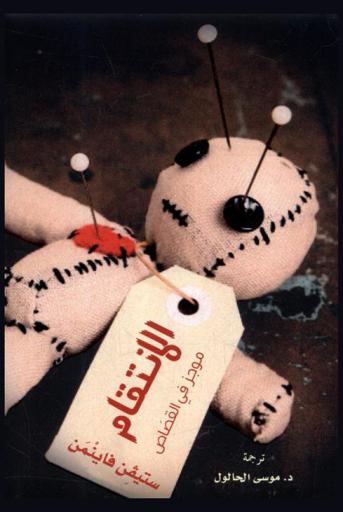
الانتقام : موجز في القصاص
يحاجج فاينمن أن الانتقام غريزة راسخة في التاريخ والنفس البشرية وقد تحرك هذه الغريزة مشاعر الأسى، أو الإهانة، أو الحنق، الناجمة عن الظلم وحب الانتصاف من الظالم المعتدي وللانتقام غايات نفسية واجتماعية واقتصادية وسياسية بطبيعة الحال، كأن تكون غاية الثأر رد الاعتبار وإثبات الذات وحماية الممتلكات. بيد أن للثأر الفردي عيوبا، فهو فوضوي وغير مقنن، لذلك كان لزاما تدخل سلطة عليا (الدولة) حين راحت المجتمعات البشرية تتوسع وتتحضر، فأقرت نظاما قضائيا لرد المظالم وإعادة الحقوق لأصحابها. لا يتردد فاينمن في إعلان موقفه الشخصي من الانتقام، فبدلا من ادعاء المثالية، نجده يقول في خاتمة كتابه : يتعرض الانتقام لكثير من التشنيع، بغير وجه حق أحيانا. لكن يمكنه، مثلما رأينا، أن يفضح المظالم الاجتماعية ويضبطها ويمكن أن يكون وسيلة مهمة هادئة للتأقلم مع الظروف حين تكون العلاقات منحرفة أو قمعية.
BOOK

The blame business
The Blame Business is a fascinating journey through the landscape of blame, deepening our understanding of blame and how it shapes our lives. This book examines the roots of blame and its enduring manifestations today, from ancient witch-hunts to modern corporate whistleblowers.
eBook
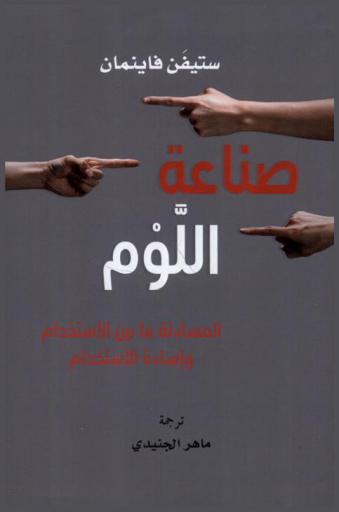
صناعة اللوم : المساءلة ما بين الاستخدام وإساءة الاستخدام
عندما يحدث خطأ في حياتنا يكون رد فعلنا الغريزي الاستنفار بحثا عن شخص نلومه. فاللوم متأصل في مجتمعاتنا بطرق لا حصر لها، إذ نراه يغرس بذور الحقد والانتقام، يفصل ما بين الأحبة وزملاء العمل، ويقسم المجتمعات والأمم. ومع ذلك، يظل، حين يتم توجيهه بشكل مناسب، حاميا للنظم الأخلاقية والقانونية . يركز ستيفن فاينمان على جذور اللوم ومظاهره الدائمة، من تعقب الساحرات في الماضي إلى البحث اليوم عن أكباش فداء ؛ دارسا عصرنا الذي يتفاقم فيه الاستياء من المؤسسات الحكومية والخاصة. وهو يتساءل في نهاية المطاف عن كيفية تخفيف آثار اللوم، طارحا أسئلة حاسمة عن حدود الندم والغفران، ودور الاعتذارات التي تقدمها الدول عن أخطائها التاريخية، ومدى قدرة العدالة التصالحية على النجاح.
BOOK

Organizing Age
Age is the silent shaper of work organisations and their human resource practices. It has become a potent feature of how society is structured and how it views itself. Age assumptions mould the behaviours of young and old alike, and are used as political tools by policy makers and managers. This book asks the perennial question — can age ever not matter? Drawing on a range of social scientific and popular writings, it casts a critical eye over the social construction and politicisation of age in and beyond organisations. Amongst other topics, it discusses: the historical roots of age in society; how we ‘perform’ our age in different settings; the social impact of defining age groups as generations; ageism; the effect of an age-cluster on an organisation’s processes and members’ experience; the rituals of retirement and the birth of the retirement industry; the impact of economic recession in challenging some of our assumptions about age; and the increasing politicisation of the growing ‘grey’ population.
eBook

Emotion in organizations
`This is an insightful book... offers an in-depth understanding of the dynamics at work within organizations, but also offers ways forward for new researchers. The book is appropriate for people who want to study organizational behaviour and occupational psychology. It is thought-provoking and practical′ - Profbooks.com Reviews.
eBook
