
Catalogue Search | MBRL


Are you sure you want to remove the book from the shelf?

{{itemTitle}}
441
result(s) for
"Fischbach, Michael R"
Sort by:
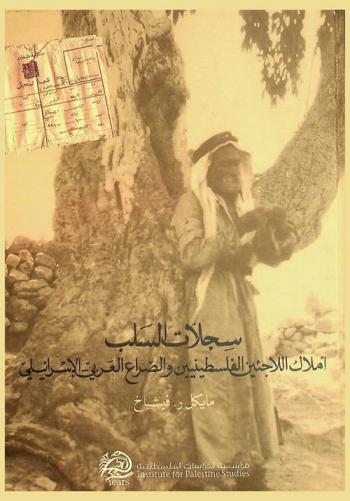
سجلات السلب : أملاك اللاجئين الفلسطينيين والصراع العربي-الإسرائيلي = Sijillāt al-salb : amlāk al-laji'in al-filastiniyyin waal-sara' al-'Arabi-al-Isra'ili : دراسة في الأرشيفات الرسمية والمراجع الدولية
يركز هذا الكتاب المرجعي على مسألة أملاك اللاجئين الفلسطينيين كقضية بحد ذاتها استنادا إلى دراسة معمقة لمصادر أولية وأرشيفات رسمية في ثلاث قارات، في كل من إسرائيل والأردن وبريطانيا والولايات المتحدة، وخصوصا-ولأول مرة-استنادا إلى ملفات لجنة التوفيق الدولية وسجلاتها المودعة مقر الجمعية العامة للأمم المتحدة في نيويورك. ويتناول الكتاب مصير هذه الأملاك في ظل المصادرة الإسرائيلية والنشاط الدولي والدبلوماسي بشأنها، وموقع هذه القضية في الصراع العربي-الإسرائيلي، وأثر الحروب العربية-الإسرائيلية فيها، ودور الولايات المتحدة في تهميشها. ويقدم المؤلف تقديراته الرصينة لحجم هذه الأملاك وقيمتها، إضافة إلى آرائه في أسباب فشل المجتمع الدولي ومعاهدات السلم العربية-الإسرائيلية في تعويض اللاجئين عن هذه الأملاك، أو إعادتها إليهم.
Book
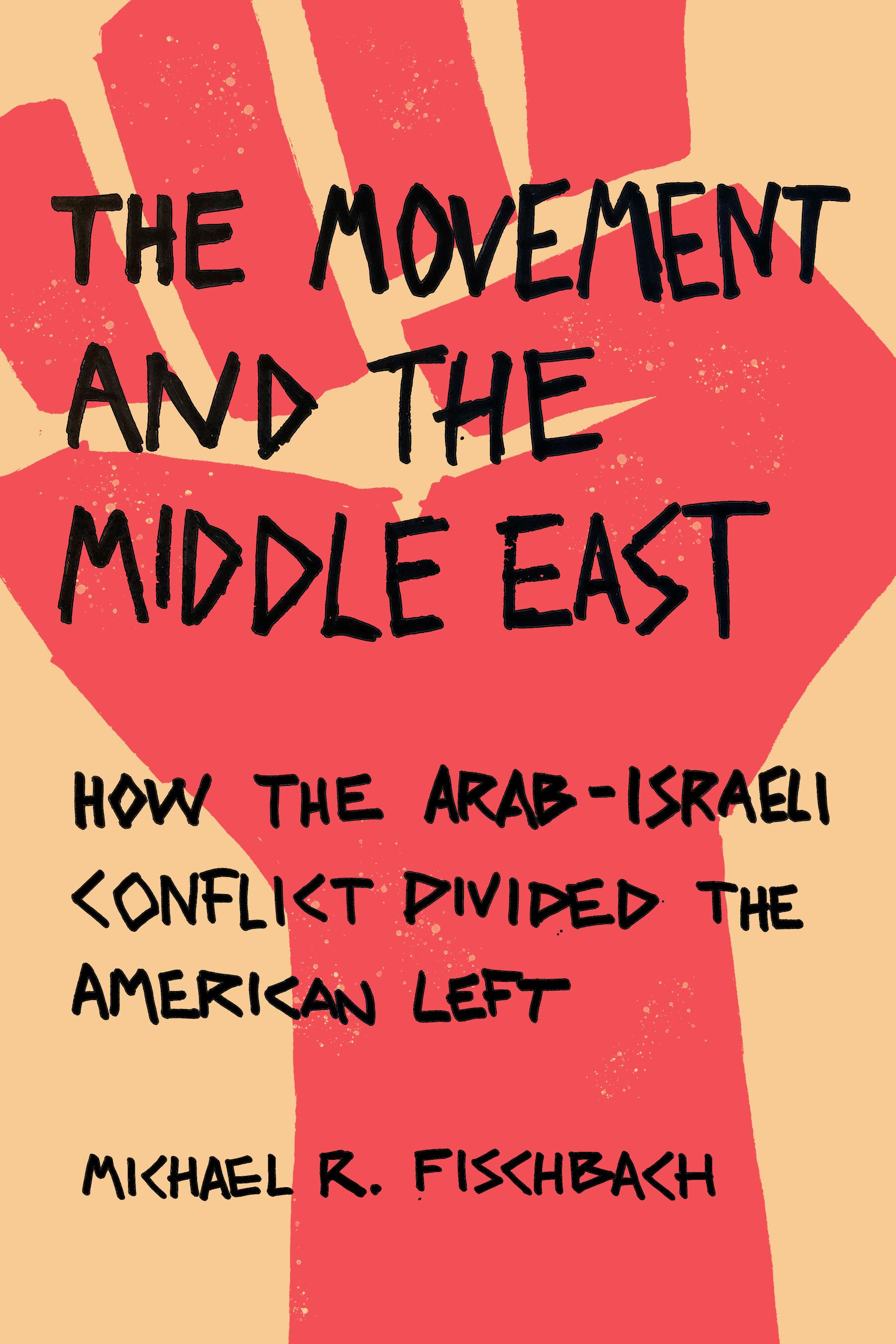
The movement and the Middle East : how the Arab-Israeli conflict divided the American left
The Arab-Israeli conflict constituted a serious problem for the American Left in the 1960s: pro-Palestinian activists hailed the Palestinian struggle against Israel as part of a fundamental restructuring of the global imperialist order, while pro-Israeli leftists held a less revolutionary worldview that understood Israel as a paragon of democratic socialist virtue. This intra-left debate was in part doctrinal, in part generational. But further woven into this split were sometimes agonizing questions of identity. Jews were disproportionately well-represented in the Movement, and their personal and communal lives could deeply affect their stances vis-à-vis the Middle East. The Movement and the Middle East offers the first assessment of the controversial and ultimately debilitating role of the Arab-Israeli conflict among left-wing activists during a turbulent period of American history. Michael R. Fischbach draws on a deep well of original sources—from personal interviews to declassified FBI and CIA documents—to present a story of the left-wing responses to the question of Palestine and Israel. He shows how, as the 1970s wore on, the cleavages emerging within the American Left widened, weakening the Movement and leaving a lasting impact that still affects progressive American politics today.
eBook

Black America and Palestine Solidarity over the Years
Malcolm X and Palestine Black Power has a long lineage, but certainly the \"godfather\" of the movement was Malcolm X. A convert to the all-black religion the Nation of Islam (NOI), which despite the name had a theology that was markedly different from that of both Sunni and Shi'ite Islam, Malcolm rose in the ranks of the NOI in the 1950s to become its most articulate and charismatic public figure. Black Power Groups and Palestine in the Long Sixties After much Arab-Israeli tension in the first half of 1967, Israel launched a preemptive attack on Egyptian and other Arab airfields on June 5, 1967. Yet it veered away from that wing of the Black Freedom Struggle and by June 1966 its charismatic chair, Stokely Carmichael, publicly used the term \"Black Power\" and contrasted it to the goals and tactics of Civil Rights activists. Jewish groups like the Anti-Defamation League of B'nai B'rith and mainstream Civil Rights figures like the NAACP's Roy Wilkins and the National Urban League's Whitney Young denounced the article and the controversial cartoons that accompanied it (which some viewed as anti-Semitic).
Journal Article

Sirhan Sirhan and the Assassination of Robert F. Kennedy: Palestinian Rage and the Depoliticization of a Tragedy
The June 1968 assassination of Senator Robert F. Kennedy at the hands of Sirhan Sirhan, a Palestinian refugee from the 1948 Arab-Israeli war, has long been viewed by the American public as an example of the inchoate violence that stalked the country during the 1960s. That is no accident.
Various parties succeeded in depoliticizing the assassination and sidelining the Middle Eastern dimensions of the crime despite the efforts of others to highlight the political background for Sirhan's action.
Journal Article

How a Middle Eastern Experience Helped Lead to the Formation of MERIP
During the late 1960s, left-wing American activists faced challenges when trying to find out about what was happening in the Middle East and what their government was doing there. Yet overall, some activists still felt that by 1970 the American Left suffered from an overall dearth of solid information and regular, independent, critical analysis of the Middle East. As a result, the Middle East Research and Information Project (MERIP) and its publication, MERIP Reports, were established in 1971 to fill that void. However, in many ways a major impetus for MERIP's formation was not just its founders’ hunger for better analysis of the region, but also the deep impressions made on them by a dramatic and influential trip several of them took to Lebanon, Syria, and Jordan in August and early September 1970. Thus, while it is true that, since its inception, MERIP has shaped the study of the Middle East, it is also true that it was the Middle East that first shaped those who formed MERIP.
Journal Article

The New Left and the Arab-Israeli Conflict in the United States
The youthful activists who made up the New Left during the 1960s were largely in accord in their opposition to the Vietnam War and their support for the black freedom movement. By contrast, they were deeply divided about how to approach the Arab-Israeli conflict. Some left-wing youth championed the Palestinian cause as another example of support for anti-imperialist struggles in the Third World. Malcolm X, the Black Panther Party (BPP), and famous Youth International Party (Yippie) figures Abbie Hoffman and Jerry Rubin felt this way, as did certain members of Students for a Democratic Society (SDS). Other members of the New Left balked at calling Israel an imperialist oppressor and pushed back, including some in SDS, but also groups like the Radical Zionist Alliance. The result was bitter conflict and invective that was worsened by the fact that left-wing Jews, who were present in disproportionately large numbers in the New Left, were represented on both sides of this issue.
Journal Article
Palestinian Offices in the United States
The September 2018 decision by the administration of U.S. president Donald Trump to close the offices of the Palestine Liberation Organization (PLO) in Washington and expel the PLO ambassador and his family was the latest chapter in the long and difficult history of Palestinian efforts to maintain information and diplomatic offices in the United States. From the opening of the first Arab information office in the United States in 1945, to the establishment of the first specifically Palestinian information center in 1955, to the creation of the first PLO office in 1965, the Palestinians’ twin goals of representing their people and providing information about their cause on the soil of Israel’s greatest ally has been hindered by challenges and threats from a variety of sources. Indeed, the long saga of trying to maintain an official presence in the United States is a microcosm of the wider Palestinian national drama of the twentieth and early twenty-first centuries, replete with Zionist attacks, debilitating inter-Arab and intra-Palestinian rivalries, political ineptitude, the struggle to achieve diplomatic legitimacy, and hostility from the U.S. government and its pro-Zionist politicians.
Journal Article

Records of Dispossession
No issue in the Arab-Israeli conflict has proven more intractable than the status of the Palestinian refugees. This work focuses on the controversial question of the property left behind by the refugees during the first Arab-Israeli war in 1948. Beyond discussing the extent of the refugees'losses and detailing the methods by which Israel expropriated this property, the book also notes the ways that the property question has affected, and in turn been affected by, the wider Arab-Israeli conflict over the decades. It shows how the property question influenced Arab-Israeli diplomacy and discusses the implications of the fact that the question remains unresolved despite numerous diplomatic efforts. From late 1947 through 1948, more than 726,000 Palestinians—over half the entire population—were uprooted from their homes and villages. Though some middle class refugees were able to flee with liquid capital, the majority were small-scale farmers whose worldly fortunes were the land, livestock, and crops they left behind. This book tells for the first time the full story of how much property changed hands, what it was worth, and how it was used by the fledgling state of Israel. It then traces the subsequent decades of diplomatic activity on the issue and publishes previously secret UN estimates of the scope and value of the refugee property. Michael Fischbach offers a detailed study of Israeli counterclaims for Jewish property lost in the Arab world, diplomatic schemes for resolving the conflict, secret compensation efforts, and the renewed diplomatic efforts on behalf of property claims since the onset of Arab-Israeli peace talks. Based largely on archival records, including those of the United Nations Conciliation Commission of Palestine, never before available to the public and kept under lock and key in the UN archives, Records of Dispossession is the first detailed historical examination of the Palestinian refugee property question.
eBook

Transnational Peoples of Color
The “Global 1960s” exemplified the transnational nature of decolonization, a salient example of which was the interconnectedness of freedom struggles in the Middle East and the Black Power movement in America. Black Power activists who saw themselves constituting an internal black colony dominated by a white, capitalist socioeconomic and political order in the United States connected their own efforts with similar struggles being waged by faraway peoples of color, some of whom in turn were deeply affected by their American brothers and sisters. In truth, the ideology and identity politics of Black Power in both America and the Middle East became deeply intertwined with one another as militants on both sides of the world waged their own struggles and forged their respective revolutionary post-colonial identities.Nowhere was this symbiosis more apparent than Black Power activists’ championing of the Palestinian Arab cause and, somewhat paradoxically, by “black” Israelis—Mizrahi/Sephardi Jews from Middle Eastern and/or North African backgrounds—who adopted wholesale the image and rhetoric of one of the leading forces of Black Power in America, the Black Panther Party.
Journal Article