
Catalogue Search | MBRL


Are you sure you want to remove the book from the shelf?

{{itemTitle}}
421
result(s) for
"Forbes, Scott"
Sort by:
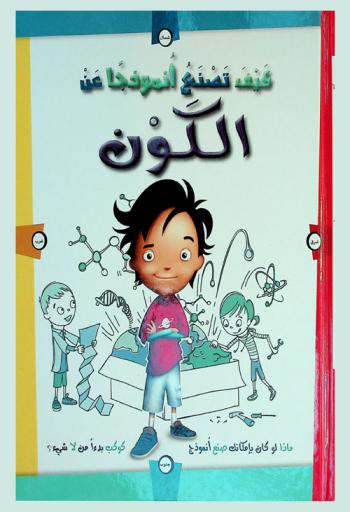
كيف تصنع أنموذجا عن الكون
سيريك هذا الكتاب كيف تصنع كوكبا كالذي تقف عليه تماما مستخدما آخر التجارب العلمية، الاكتشافات والحسابات، وسيخبرك على الوجه الصحيح ماذا تحتاج أن تجمع وكيف تلصق ما تجمعه ببعضه لتصنع كرة من الصخر بحجم الأرض، ومخلوقات ذكية وجذابة مثلك تماما. قد يكون صعب تنفيذ بعض أجزاء هذا العمل في غرفة الجلوس العادية في المنزل، حسنا إنه مستحيل لكن ما لا يمكن تخيله، ومن خلال قراءة هذا الكتاب لن تكتشف فقط كيف تكونت الأرض، هذا الكوكب الذي تعيش عليه، وتتعلم الكثير الكثير من الأمور الاستثنائية والرائعة عنه.
BOOK

“Heads Up” for Creatine Supplementation and its Potential Applications for Brain Health and Function
There is emerging interest regarding the potential beneficial effects of creatine supplementation on indices of brain health and function. Creatine supplementation can increase brain creatine stores, which may help explain some of the positive effects on measures of cognition and memory, especially in aging adults or during times of metabolic stress (i.e., sleep deprivation). Furthermore, creatine has shown promise for improving health outcome measures associated with muscular dystrophy, traumatic brain injury (including concussions in children), depression, and anxiety. However, whether any sex- or age-related differences exist in regard to creatine and indices of brain health and function is relatively unknown. The purpose of this narrative review is to: (1) provide an up-to-date summary and discussion of the current body of research focusing on creatine and indices of brain health and function and (2) discuss possible sex- and age-related differences in response to creatine supplementation on brain bioenergetics, measures of brain health and function, and neurological diseases.
Journal Article


Creatine supplementation and endurance performance: surges and sprints to win the race
Creatine supplementation is an effective ergogenic aid to augment resistance training and improve intense, short duration, intermittent performance. The effects on endurance performance are less known. The purpose of this brief narrative review is to discuss the potential mechanisms of how creatine can affect endurance performance, defined as large muscle mass activities that are cyclical in nature and are >~3 min in duration, and to highlight specific nuances within the literature. Mechanistically, creatine supplementation elevates skeletal muscle phosphocreatine (PCr) stores facilitating a greater capacity to rapidly resynthesize ATP and buffer hydrogen ion accumulation. When co-ingested with carbohydrates, creatine enhances glycogen resynthesis and content, an important fuel to support high-intensity aerobic exercise. In addition, creatine lowers inflammation and oxidative stress and has the potential to increase mitochondrial biogenesis. In contrast, creatine supplementation increases body mass, which may offset the potential positive effects, particularly in weight-bearing activities. Overall, creatine supplementation increases time to exhaustion during high-intensity endurance activities, likely due to increasing anaerobic work capacity. In terms of time trial performances, results are mixed; however, creatine supplementation appears to be more effective at improving performances that require multiple surges in intensity and/or during end spurts, which are often key race-defining moments. Given creatines ability to enhance anaerobic work capacity and performance through repeated surges in intensity, creatine supplementation may be beneficial for sports, such as cross-country skiing, mountain biking, cycling, triathlon, and for short-duration events where end-spurts are critical for performance, such as rowing, kayaking, and track cycling.
Journal Article

How to make a planet : a step-by-step guide to building the Earth
Offering a new spin on astronomy and earth sciences books for kids, this out-of-this-world how-to details the making of a planet, namely the incredible, life-sustaining, one-in-a-billion planet Earth, starting with its basic ingredients, protons and neutrons, and making abstract concepts easier to understand.
Book
Creatine supplementation protocols with or without training interventions on body composition: a GRADE-assessed systematic review and dose-response meta-analysis
Despite the robust evidence demonstrating positive effects from creatine supplementation (primarily when associated with resistance training) on measures of body composition, there is a lack of a comprehensive evaluation regarding the influence of creatine protocol parameters (including dose and form) on body mass and estimates of fat-free and fat mass.
Randomized controlled trials (RCTs) evaluating the effect of creatine supplementation on body composition were included. Electronic databases, including PubMed, Web of Science, and Scopus were searched up to July 2023. Heterogeneity tests were performed. Random effect models were assessed based on the heterogeneity tests, and pooled data were examined to determine the weighted mean difference (WMD) with a 95% confidence interval (CI).
From 4831 initial records, a total of 143 studies met the inclusion criteria. Creatine supplementation increased body mass (WMD: 0.86 kg; 95% CI: 0.76 to 0.96, I
= 0%) and fat-free mass (WMD: 0.82 kg; 95% CI: 0.57 to 1.06, I
= 0%) while reducing body fat percentage (WMD: -0.28 %; 95% CI: -0.47 to -0.09; I
= 0%). Studies that incorporated a maintenance dose of creatine or performed resistance training in conjunction with supplementation had greater effects on body composition.
Creatine supplementation has a small effect on body mass and estimates of fat-free mass and body fat percentage. These findings were more robust when combined with resistance training.
Journal Article

Wicked waters
An introduction to 28 alleged creatures that roam bodies of water, including the Loch Ness Monster, Slimly Slim, and Kraken.
Book
Common questions and misconceptions about creatine supplementation: what does the scientific evidence really show?
Supplementing with creatine is very popular amongst athletes and exercising individuals for improving muscle mass, performance and recovery. Accumulating evidence also suggests that creatine supplementation produces a variety of beneficial effects in older and patient populations. Furthermore, evidence-based research shows that creatine supplementation is relatively well tolerated, especially at recommended dosages (i.e. 3-5 g/day or 0.1 g/kg of body mass/day). Although there are over 500 peer-refereed publications involving creatine supplementation, it is somewhat surprising that questions regarding the efficacy and safety of creatine still remain. These include, but are not limited to: 1. Does creatine lead to water retention? 2. Is creatine an anabolic steroid? 3. Does creatine cause kidney damage/renal dysfunction? 4. Does creatine cause hair loss / baldness? 5. Does creatine lead to dehydration and muscle cramping? 6. Is creatine harmful for children and adolescents? 7. Does creatine increase fat mass? 8. Is a creatine ‘loading-phase’ required? 9. Is creatine beneficial for older adults? 10. Is creatine only useful for resistance / power type activities? 11. Is creatine only effective for males? 12. Are other forms of creatine similar or superior to monohydrate and is creatine stable in solutions/beverages? To answer these questions, an internationally renowned team of research experts was formed to perform an evidence-based scientific evaluation of the literature regarding creatine supplementation.
Journal Article


High Doses of Caffeine Increase Muscle Strength and Calcium Release in the Plasma of Recreationally Trained Men
The effects of acute caffeine supplementation on muscular strength remain unclear. We examined the effects of two different doses of caffeine on muscle strength and calcium in plasma compared to placebo using a crossover, randomized, double-blind, placebo-controlled design. Twenty-one (n = 21) recreationally resistance-trained participants were randomly assigned into three experimental conditions: 6 mg·kg bw−1 of caffeine (CF6); 8 mg·kg bw−1 of caffeine (CF8); or placebo (PLA), with a 7-day washout period between conditions. Muscular strength assessments were made for both upper (bench press) and lower body muscles (squat and deadlift). Calcium release in plasma was measured on five different occasions. Bench press (CF8: 100.1 ± 1.9 kg; PLA: 94.2 ± 2.5 kg), deadlift (CF8: 132.8 ± 3.5 kg; PLA: 120.7 ± 5.7 kg), and squat (CF8: 130.1 ± 4.9 kg; PLA 119.4 ± 5.4 kg) strength were all significantly (p < 0.001) improved in CF8 compared to PLA. Calcium release in plasma was significantly increased in CF8, whereas no changes were observed in CF6 or PLA. Overall, 8 mg·kg bw−1 of caffeine appears to be an effective dose to optimize upper and lower body muscular strength and calcium release in recreationally trained participants.
Journal Article