
Catalogue Search | MBRL


Are you sure you want to remove the book from the shelf?

{{itemTitle}}
5
result(s) for
"Fraser, Murray editor"
Sort by:

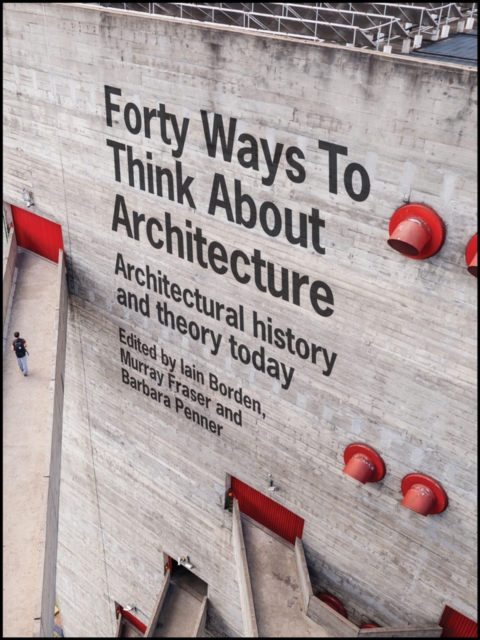
Forty ways to think about architecture : architectural history and theory today
How do we think about architecture historically and theoretically? Forty Ways to Think about Architecture provides an introduction to some of the wide-ranging ways in which architectural history and theory are being approached today. The inspiration for this project is the work of Adrian Forty, Professor of Architectural History at the Bartlett School of Architecture, University College London (UCL), who has been internationally renowned as the UK's leading academic in the discipline for 40 years. Forty's many publications, notably Objects of Desire (1986), Words and Buildings (2000) and Concrete and Culture (2012), have been crucial to opening up new approaches to architectural history and theory and have helped to establish entirely new areas of study. His teaching at The Bartlett has enthused a new generation about the exciting possibilities of architectural history and theory as a field. This collection takes in a total of 40 essays covering key subjects, ranging from memory and heritage to everyday life, building materials and city spaces. As well as critical theory, philosophy, literature and experimental design, it refers to more immediate and topical issues in the built environment, such as globalisation, localism, regeneration and ecologies. Concise and engaging entries reflect on architecture from a range of perspectives. Contributors include eminent historians and theorists from elsewhere – such as Jean-Louis Cohen, Briony Fer, Hilde Heynen, Mary McLeod, Griselda Pollock, Penny Sparke and Anthony Vidler – as well as Forty's colleagues from the Bartlett School of Architecture including Iain Borden, Murray Fraser, Peter Hall, Barbara Penner, Jane Rendell and Andrew Saint. Forty Ways to Think about Architecture also features contributions from distinguished architects, such as Tony Fretton, Jeremy Till and Sarah Wigglesworth, and well-known critics and architectural writers, such as Tom Dyckhoff, William Menking and Thomas Weaver. Many of the contributors are former students of Adrian Forty. Through these diverse essays, readers are encouraged to think about how architectural history and theory relates to their own research and design practices, thus using the work of Adrian Forty as a catalyst for fresh and innovative thinking about architecture as a subject.
eBook

Forty ways to think about architecture : architectural history and theory today
\"Forty Ways to Think about Architecture\" provides an introduction to some of the ways in which architectural history and theory are being approached today. This collection takes in a total of 40 essays covering key subjects, ranging from memory and heritage to everyday life, building materials and city spaces. As well as critical theory, philosophy, literature and experimental design, it refers to more immediate and topical issues in the built environment, such as globalisation, localism, regeneration and ecologies. The entries reflect on architecture from a range of perspectives.
Book

Peacemaking in the twenty-first century
This book provides a range of unique insights into the issues surrounding peacebuilding, delivered by major international figures with direct experience in this area at the highest level, including Bertie Ahern, Kofi Annan and Bill and Hillary Clinton. Based on a series of lectures on the theme of peacekeeping and peacebuilding in the contemporary world, each lecture is presented here with an introduction placing it in its proper context within the discourse on peacemaking. Edited and introduced by Nobel Laureate John Hume, this volume makes an invaluable contribution to the study of peace and conflict studies, international history, international relations and international politics.
eBook
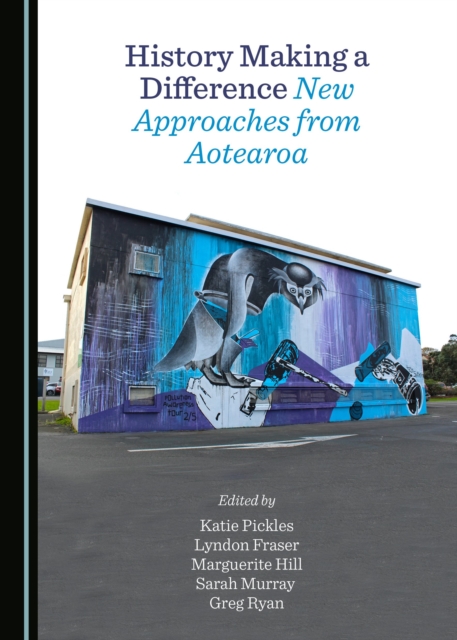
History making a difference
Why care about the past? Why teach, research and write history? In this volume, leading and emerging scholars, activists and those working in the public sector, archives and museums bring their expertise to provide timely direction and informed debate about the importance of history. Primarily concerned with Aotearoa (the Māori name for New Zealand), the essays within traverse local, national and global knowledge to offer new approaches that consider the ability and potential for history to 'make a difference' in the early twenty-first century. Authors adopt a wide range of methodological approaches, including social, cultural, Māori, oral, race relations, religious, public, political, economic, visual and material history. The chapters engage with work in postcolonial and cultural studies. The volume is divided into three sections that address the themes of challenging power and privilege, the co-production of historical knowledge and public and material histories. Collectively, the potential for dialogue across previous sub-disciplinary and public, private and professional divides is pursued.
eBook