
Catalogue Search | MBRL


Are you sure you want to remove the book from the shelf?

{{itemTitle}}
296
result(s) for
"Fraser, Robert W"
Sort by:

The WTO and environment-related international trade disputes : biosecurity and ecosystem services risks
\"We live in a world that is increasingly dependent on international trade in a context of substantial regional/national political tensions. Adding to this is an emerging understanding and concern about the social impact of biosecurity and ecosystem services risks associated with such trade. As the key international trade 'arbiter', the World Trade Organisation (WTO) has never before faced such complexity within its decision-making remit. With increasing numbers of bilateral and regional agreements, as well as new developments emerging such as the Comprehensive and Progressive Agreement for Trans-Pacific Partnership (CPTPP) initiated by multi-national corporations in 2018, the WTO needs to implement ways of reinforcing its legitimacy and enhancing its relevance. This book provides an original analysis of these linked developments and delivers a timely contribution to resolving environment-related international trade disputes. It provides a clear roadmap for improving WTO trade dispute resolution procedures so both biosecurity and ecosystem services risks are considered in evaluating the social, economic and environmental impacts of international trade proposals. In so doing, the WTO should deliver enhanced multilateral social welfare.\"--Back cover.
Book

Comparing Preoperative With Postoperative Stereotactic Radiosurgery for Resectable Brain Metastases: A Multi-institutional Analysis
BACKGROUND:Stereotactic radiosurgery (SRS) is an increasingly common modality used with surgery for resectable brain metastases (BM).
OBJECTIVE:To present a multi-institutional retrospective comparison of outcomes and toxicities of preoperative SRS (Pre-SRS) and postoperative SRS (Post-SRS).
METHODS:We reviewed the records of patients who underwent resection of BM and either Pre-SRS or Post-SRS alone between 2005 and 2013 at 2 institutions. Pre-SRS used a dose-reduction strategy based on tumor size, with planned resection within 48 hours. Cumulative incidence with competing risks was used to determine estimated rates.
RESULTS:A total of 180 patients underwent surgical resection for 189 BM66 (36.7%) underwent Pre-SRS and 114 (63.3%) underwent Post-SRS. Baseline patient characteristics were balanced except for higher rates of performance status 0 (62.1% vs 28.9%, P < .001) and primary breast cancer (27.2% vs 10.5%, P = .010) for Pre-SRS. Pre-SRS had lower median planning target volume margin (0 mm vs 2 mm) and peripheral dose (14.5 Gy vs 18 Gy), but similar gross tumor volume (8.3 mL vs 9.2 mL, P = .85). The median imaging follow-up period was 24.6 months for alive patients. Multivariable analyses revealed no difference between groups for overall survival (P = .1), local recurrence (P = .24), and distant brain recurrence (P = .75). Post-SRS was associated with significantly higher rates of leptomeningeal disease (2 years16.6% vs 3.2%, P = .010) and symptomatic radiation necrosis (2 years16.4% vs 4.9%, P = .010).
CONCLUSION:Pre-SRS and Post-SRS for resected BM provide similarly favorable rates of local recurrence, distant brain recurrence, and overall survival, but with significantly lower rates of symptomatic radiation necrosis and leptomeningeal disease in the Pre-SRS cohort. A prospective clinical trial comparing these treatment approaches is warranted.
ABBREVIATIONS:BM, brain metastasesCI, confidence intervalCTV, clinical target volumeDBR, distant brain recurrenceGTV, gross tumor volumeLC, local controlLMD, leptomeningeal diseaseLR, local recurrenceMVA, multivariable analysisOS, overall survivalPost-SRS, postoperative stereotactic radiosurgeryPre-SRS, preoperative stereotactic radiosurgeryPTV, planning target volumeRN, radiation necrosisSRN, symptomatic radiation necrosisSRS, stereotactic radiosurgeryWBRT, whole-brain radiation therapy
Journal Article


Comparing pre-operative stereotactic radiosurgery (SRS) to post-operative whole brain radiation therapy (WBRT) for resectable brain metastases: a multi-institutional analysis
Pre-operative stereotactic radiosurgery (pre-SRS) has been shown as a viable treatment option for resectable brain metastases (BM). The aim of this study is to compare oncologic outcomes and toxicities for pre-SRS and post-operative WBRT (post-WBRT) for resectable BM. We reviewed records of consecutive patients who underwent resection of BM and either pre-SRS or post-WBRT between 2005 and 2013 at two institutions. Overall survival (OS) was calculated using the Kaplan–Meier method. Cumulative incidence was used for intracranial outcomes. Multivariate analysis (MVA) was performed using the Cox and Fine and Gray models, respectively. Overall, 102 patients underwent surgical resection of BM; 66 patients with 71 lesions received pre-SRS while 36 patients with 42 cavities received post-WBRT. Baseline characteristics were similar except for the pre-SRS cohort having more single lesions (65.2% vs. 38.9%, p = 0.001) and smaller median lesion volume (8.3 cc vs. 15.3 cc, p = 0.006). 1-year OS was similar between cohorts (58% vs. 56%, respectively) (p = 0.43). Intracranial outcomes were also similar (2-year outcomes, pre-SRS vs. post-WBRT): local recurrence: 24.5% vs. 25% (p = 0.81), distant brain failure (DBF): 53.2% vs. 45% (p = 0.66), and leptomeningeal disease (LMD) recurrence: 3.5% vs. 9.0% (p = 0.66). On MVA, radiation cohort was not independently associated with OS or any intracranial outcome. Crude rates of symptomatic radiation necrosis were 5.6 and 0%, respectively. OS and intracranial outcomes were similar for patients treated with pre-SRS or post-WBRT for resected BM. Pre-SRS is a viable alternative to post-WBRT for resected BM. Further confirmatory studies with neuro-cognitive outcomes comparing these two treatment paradigms are needed.
Journal Article
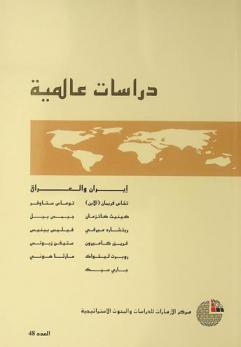
إيران والعراق
تشتمل هذه الدراسة على ثلاثة أقسام ؛ حيث يمثل القسم الأول والذي بعنوان : \"نهاية الاحتواء المزدوج : العراق وإيران والعقوبات الذكية\"، نصا محررا لوقائع الندوة التي عقدت في مكتبة الكونجرس الأمريكي بتاريخ 20 حزيران / يونيو 2001، برعاية قسم الشرق الأوسط وأفريقيا بالمكتبة المذكورة، ومجلس الأطلسي في الولايات المتحدة الأمريكية، ومجلس سياسات الشرق الأوسط، ومؤسسة ستانلي. وتحتوي مناقشات الندوة على آراء هامة لدبلوماسيين ومتخصصين تتعلق بسياسات الولايات المتحدة تجاه منطقة الشرق الأوسط بصفة عامة، وتجاه إيران والعراق (قبل الحرب الأخيرة) بصفة خاصة، إضافة إلى طرح بعض الأفكار حول موضوعات أخرى متصلة أهمها الوجود العسكري الأمريكي في منطقة الخليج العربي. ويضم القسم الثاني بحثا بعنوان \"سياسة الهيمنة : الولايات المتحدة الأمريكية وإيران\"، من إعداد الدكتور جيمس بيل، الذي سعى في تحليله إلى استخدام تقرير مجلس الأطلسي-الذي أعدته على مدى ثلاثة أعوام مجموعة العمل حول إيران في المجلس، بهدف تطوير \"استراتيجية مختلفة\" ونهج أمريكي جديد نحو إيران- بوصفه نقطة انطلاق نحو فهم جديد للعلاقات الأمريكية الإيرانية. أما القسم الثالث فهو عبارة عن وثيقة بعنوان : \"فشل السياسة الأمريكية تجاه العراق والبدائل المقترحة\"، من إعداد ثلاثة خبراء في شأن السياسة الأمريكية إزاء العراق هم : فيليس بينيس وستيفن زيونس ومارثا هوني. وتعد هذه الوثيقة حصيلة اجتماعين عقدا في واشنطن عام 2001 بمبادرة من مركز السياسة الخارجية تحت المجهر (FPIF) ؛ لبحث أسباب فشل سياسة الولايات المتحدة الأمريكية التي كانت معتمدة ضد العراق، وصياغة بيان يحدد عناصر لما كان يفترض (قبل الحرب الأخيرة) أن تكون سياسة جديدة وأكثر إنسانية وفاعلية تجاهه.

Compensation Payments and Animal Disease: Incentivising Farmers Both to Undertake Costly On-farm Biosecurity and to Comply with Disease Reporting Requirements
This paper examines the issue of compensation payments for farmers affected by an animal disease outbreak. Recent literature has questioned the scope for the widely used “single mechanism” of compensation payments to incentivise farmers both to undertake costly on-farm biosecurity and to comply with disease reporting requirements. This paper develops a simple theoretical model of the farmer’s decision environment in this situation and uses a numerical analysis to illustrate both the potential for a range of levels of compensation payments to achieve this dual incentivising, and how this range is affected by changes in the parameter values of the farmer’s decision environment. The findings of the paper are used to suggest a range of policy implications in relation to compensation payments in the UK.
Journal Article
Comparing Preoperative With Postoperative Stereotactic Radiosurgery for Resectable Brain Metastases
Abstract
BACKGROUND:
Stereotactic radiosurgery (SRS) is an increasingly common modality used with surgery for resectable brain metastases (BM).
OBJECTIVE:
To present a multi-institutional retrospective comparison of outcomes and toxicities of preoperative SRS (Pre-SRS) and postoperative SRS (Post-SRS).
METHODS:
We reviewed the records of patients who underwent resection of BM and either Pre-SRS or Post-SRS alone between 2005 and 2013 at 2 institutions. Pre-SRS used a dose-reduction strategy based on tumor size, with planned resection within 48 hours. Cumulative incidence with competing risks was used to determine estimated rates.
RESULTS:
A total of 180 patients underwent surgical resection for 189 BM: 66 (36.7%) underwent Pre-SRS and 114 (63.3%) underwent Post-SRS. Baseline patient characteristics were balanced except for higher rates of performance status 0 (62.1% vs 28.9%, P <.001) and primary breast cancer (27.2% vs 10.5%, P =.010) for Pre-SRS. Pre-SRS had lower median planning target volume margin (0 mm vs 2 mm) and peripheral dose (14.5 Gy vs 18 Gy), but similar gross tumor volume (8.3 mL vs 9.2 mL, P =.85). The median imaging follow-up period was 24.6 months for alive patients. Multivariable analyses revealed no difference between groups for overall survival (P =.1), local recurrence (P =.24), and distant brain recurrence (P =.75). Post-SRS was associated with significantly higher rates of leptomeningeal disease (2 years: 16.6% vs 3.2%, P =.010) and symptomatic radiation necrosis (2 years: 16.4% vs 4.9%, P =.010).
CONCLUSION:
Pre-SRS and Post-SRS for resected BM provide similarly favorable rates of local recurrence, distant brain recurrence, and overall survival, but with significantly lower rates of symptomatic radiation necrosis and leptomeningeal disease in the Pre-SRS cohort. A prospective clinical trial comparing these treatment approaches is warranted.
Supplemental digital content is available for this article. Direct URL citations appear in the printed text and are provided in the HTML and PDF versions of this article on the journal's Web site (www.neurosurgery-online.com).
Journal Article

The Welfare Effects of Deregulatin Producer Prices
A method is presented for examining producer welfare impacts of a range of deregulation proposals, including a reduction in price support. Welfare impacts take account not just of expected transfer effects but of changes in the uncertain conditions facing producers. The method is applied to deregulation proposals for the Australian wheat industry. Results suggest producers would benefit under some proposals but be made worse off under others. Supply responses also are estimated and shown to be generally smaller in percentage terms than are short-run welfare effects. It is argued that short-run and long-run welfare effects are similar.
Journal Article
The welfare effects of deregulating producer prices
A method is presented for examining producer welfare impacts of a range of deregulation proposals, including a reduction in price support. Welfare impacts take account not just of expected transfer effects but of changes in the uncertain conditions facing producers. The method is applied to deregulation proposals for the Australian wheat industry. Results suggest producers would benefit under some proposals but be made worse off under others. Supply responses also are estimated and shown to be generally smaller in percentage terms than are short-run welfare effects. It is argued that short-run and long-run welfare effects are similar
Journal Article