
Catalogue Search | MBRL


Are you sure you want to remove the book from the shelf?

{{itemTitle}}
117
result(s) for
"Gorman, Anthony"
Sort by:


Diasporas of the Modern Middle East
Explores the changing conceptions and practice of diaspora in the modern Middle East. Approaching the Middle East through the lens of Diaspora Studies, the 11 detailed case studies in this volume explore the experiences of different diasporic communities in and of the region, and look at the changing conceptions and practice of diaspora in the modern Middle East. In situating these different communities within their own narratives - of conflict, resistance, war, genocide, persecution, displacement, migration - these studies stress both the common elements of diaspora but also their individual specificity in a way that challenges, complements and at times subverts the dominant nationalist historiography of the region.
Case studies include Greek Orthodox communities in Syria and Turkey, the late Ottoman elites, the Ossetians in Turkey, the Italians of Egypt, the Cypriot Armenian community, Armenian diasporic tourism in Turkey, Palestinians in Lebanon, Malayalees in the Gulf, Iraqis in Egypt, and Lebanese diaspora literature.
eBook
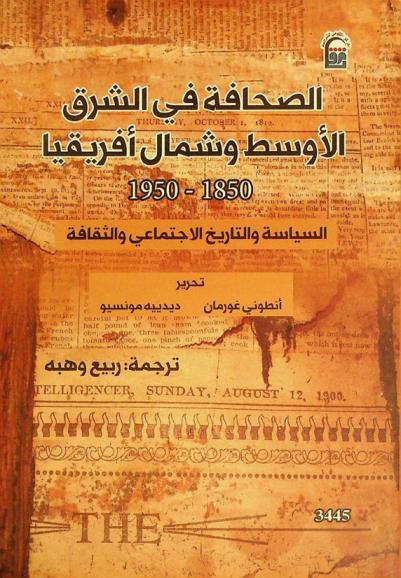
الصحافة في الشرق الأوسط وشمال إفريقيا 1850-1950 : السياسة والتاريخ الاجتماعي والثقافة
تحتل الصحافة مكانة بالغة الأهمية في تاريخ الشرق الأوسط وشمال أفريقيا الحديث. تكمن أهميتها ودلالتها، لا في ثقلها بوصفها وسيلة تمثيل ما ينتجه المجتمع بنفسه فحسب، بل بوصفها تمثيلا لما ينتجه المجتمع عن نفسه، لذا فإن فهم تطورها التاريخي أمر حيوي لتقدير العديد من عمليات التغير السياسي والاجتماعي والثقافية، وكذلك تطور الرأي العام والنقاشات المحيطة بالهويات الاجتماعية والثقافية في هذه المنطقة الزاخرة بمجموعة غنية من المواد المثيرة لدراسة الصحافة. فخلال مئة عام من 1850 إلى 1950، هي المجال الزمني لمقالات وبحوث هذا الكتاب، ظهرت الصحافة بوصفها وسيلة تعبير وتأريخ للتطورات السياسية، كما أنها الفترة ذاتها التي شهدت صعود الحركات القومية، حين لعبت الصحافة دورا مركزيا في دعم القضية القومية، بالإضافة إلى كونها طرفا أكثر تعقيدا في التعبير عن وجهات نظر مختلفة حول المسائل السياسة والثقافية والاجتماعية. وعليه فالصحافة ضرورية لفهم التاريخ السياسي وتمثيله، ولاعبا مشاركا وخاضعا في الوقت نفسه للظروف السياسية، ومن ثم فهي فترة توفر فرصة غنية لاستكشاف الصحافة بوصفها منتدى وفاعلا في فترة من التحول الديناميكي.
Book

Historians, State and Politics in Twentieth Century Egypt
This book deals with the relationship between historical scholarship and politics in twentieth century Egypt. It examines the changing roles of the academic historian, the university system, the state and non-academic scholarship and the tension between them in contesting the modern history of Egypt. In a detailed discussion of the literature, the study analyzes the political nature of competing interpretations and uses the examples of Copts and resident foreigners to demonstrate the dissonant challenges to the national discourse that testify to its limitations, deficiencies and silences.
eBook
الحرب العالمية الأولى وأثرها في فلسطين: إرث مائة عام
يتناول الكتاب الحرب العالمية الأولى ويبدأ بإحياء بريطانيا الذكرى المئوية للحرب العالمية الأولى، 28 يناير-كانون الثاني 1914-11 نوفمبر-تشرين الثاني 1918. لم تكن الحرب العظمى، كما عرفت، أكثر الحروب تقتيلا في التاريخ فحسب، بل لعلها أيضا أكثرها تبديلا للأحوال وقد تمثل أثرها في تغيرات سياسية وثورات في كل بقاع العالم، فظهرت حدود جديدة وتحددت ممالك. وليس ثمة من هو أخبر بذلك من شعب فلسطين، الذي تأثر مستقبله بفعل تنامي الدعم للهجرة اليهودية خلال الحرب. ويتضح هذا التغير السكاني والسياسي في فلسطين اليوم اتضاحا شديدا ؛ حيث يجد الفلسطينيون أنفسهم مشردين وبلا دولة يحملون جنسيتها. ويستحق هذا الجمع بين الظلم والمقاومة والكارثة الإنسانية، الذي كانت له، ولا تزال، تبعات جيوسياسية بالغة، تحليلا تاريخيا وقانونيا ثاقبا.ليس ثمة من هو أفضل من مركز الجزيرة للدراسات ومركز العودة الفلسطيني للقيام بهذه المهمة، وقد كانا رائدين في مجال الأبحاث والإسهام بقسط وافر في أربعة أبحاث مستفيضة في هذه المسألة عبر عقد من الزمن تقريبا. لذلك، فلا غرو أن يجمعا بين أربعة عشر من المؤرخين وخبراء القانون والأكاديميين والمسؤولين لتقويم الأحداث التي سبقت الحرب العالمية الأولى والتي رافقتها وتلك التي تلتها، لتصحيح النظرة إلى الأزمة الفلسطينية-يشرح الكتاب الكيفية التي أثارت بها خيانات الدبلوماسية قبل قرن أحداثا وتوترات ظلت تعتمل طويلا حتى انفجرت فأودت معها بأرواح وبددت آمالا. وقد مر نحو قرن من الزمن إلى أن اهتزت الأسس التي أرسيت بعيد الحرب العالمية الأولى ؛ إذ شهدت المنطقة في السنوات الأخيرة غليانا غير مسبوق أشعلته سلسلة من التطورات السياسية، وعلى أكثر من صعيد. يعالجها هذا الكتاب على ضوء أحداث وتحركات وتغيرات عميقة وجديدة طالت قضية العرب الأولى.
BOOK

REGULATION, REFORM AND RESISTANCE IN THE MIDDLE EASTERN PRISON
The modern prison emerged in the Middle East from the second third of the nineteenth century onwards as it progressively replaced traditional corporal, capital and financial punishments. Marginal in indigenous penal traditions, prison was restyled as a progressive institution consistent with the claims of a modern state and civilised society. Its adoption was not sudden, uniform or complete but occurred over time as local practices and political structures accommodated European ideas and influence. In Algeria from the 1830s, prisons were transformed under the impact of direct French colonial rule. More common was the piecemeal adaptation of existing prison structures and
Book Chapter

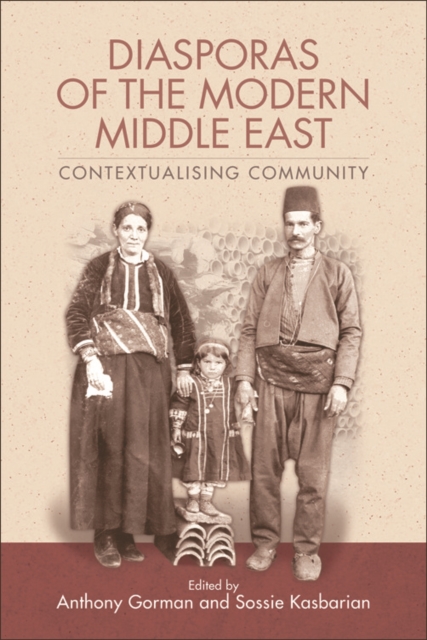
Diasporas of the Modern Middle East
Approaching the Middle East through the lens of Diaspora Studies, the 11 detailed case studies in this volume explore the experiences of different diasporic communities in and of the region, and look at the changing conceptions and practice of diaspora in the modern Middle East. They show how concepts central to diaspora such as 'homeland', 'host state', 'exile', 'longing', 'memory' and 'return' have been deconstructed and reinstated with new meaning through each complex diasporic experience. They also examine how different groups have struggled to claim and negotiate a space for themselves in the Middle East, and the ways in which these efforts have been aided and hampered by the historical, social, legal, political, economic, colonial and post-colonial specificities of the region.In situating these different communities within their own narratives - of conflict, resistance, war, genocide, persecution, displacement, migration - these studies stress both the common elements of diaspora but also their individual specificity in a way that challenges, complements and at times subverts the dominant nationalist historiography of the region.
eBook
The Italians of Egypt: Return to Diaspora
From the beginning of the nineteenth century until the middle of the twentieth century Italians constituted one of the prominent resident foreign communities of Egypt. Attracted by the economic opportunities and the political safe haven that the country offered, their presence was part of a broader movement of migration that included other Mediterranean peoples, Greeks, Maltese, Cypriots, Jews and Levantines, facilitated by the modernising policies of Egyptian rulers and the expansion of European influence in the Middle East. Over time the Italians of Egypt would become a well-established if heterogeneous community, the nationals of a European state but sustained by a rich local associational life that developed its own particular identity. Often cast as a colony, and therefore implicitly an extension of Italian state power and influence, this chapter argues that the Italians of Egypt are better conceived within a diasporic framework that recognises both their attachment to an Italian homeland but also their locally rooted character that was framed by local community associations, institutions and informal practices. In the period after 1945 under the impact of significant political and economic changes in Egypt much of this community departed, some to ‘return’ to their titular homeland, others to resettle elsewhere in the world. In this reconfiguration, what had been an element of the Italian diaspora in Egypt now became a new diaspora of Egyptian Italians scattered globally that sought to maintain its collective sense of identity and keep alive the memories of life in Egypt.The Italian DiasporaThe long record of movement of Italians that stretches back to the medieval period and beyond guarantees them a well-established place in the literature of migration. This is particularly so in respect of the last century and a half when Italians migrated in large numbers to New World countries, such as the United States, Argentina and Australia, as well as within Europe where labour needs particularly after the Second World War encouraged migration. The character of this international movement, however, has been much contested in the scholarly literature. In his typology of diasporas, Cohen classified the Italians as forming a labour diaspora, prompted by the need to seek economic prosperity beyond the limited opportunities of the Italian homeland.
Book Chapter

Cultures of Confinement
Prisons are on the increase from the United States to China, as ever-larger proportions of humanity find themselves behind bars. While prisons now span the world, we know little about their history in global perspective. Rather than interpreting the prison's proliferation as the predictable result of globalization, Cultures of Confinement underlines the fact that the prison was never simply imposed by colonial powers or copied by elites eager to emulate the West, but was reinvented and transformed by a host of local factors, its success being dependent on its very flexibility. Complex cultural negotiations took place in encounters between different parts of the world, and rather than assigning a passive role to Latin America, Asia, and Africa, the authors of this book point out the acts of resistance or appropriation that altered the social practices associated with confinement. The prison, in short, was understood in culturally specific ways and reinvented in a variety of local contexts examined here for the first time in global perspective.
eBook