
Catalogue Search | MBRL


Are you sure you want to remove the book from the shelf?

{{itemTitle}}
4,384
result(s) for
"Gray, Tim"
Sort by:

Superhuman trafficking
\"Simon Baz and Jessica Cruz, two Earthbound Green Lanterns, discover an interplanetary superhuman-trafficking network preying on superheroes looking for love and romance on an unassuming dating app. With their hearts and heads on the line, these Green Lanterns may need more than willpower to win this fight in Green Lanterns Vol. 7! Simon and Jessica have tracked the criminal ring to a religious organization buried deep in the Horsehead Nebula. What does the Order of the Steed need with superheroes from Earth? As Simon and Jess try to ward off the encroaching members of the Order of the Steed, High Rider Griva enacts his plan with the Earth heroes. With the power of hundreds of superheroes coursing through their leader, the Order of the Steed make their final march against the universe!\"-- Provided by publisher.
Book

A value chain analysis of Malaysia’s seaweed industry
A global shortfall in protein supply from capture fisheries has motivated the Malaysian government to revise its aquaculture strategy, focusing on three commodities: seaweed, fish and marine shrimp. However, the performance of the Malaysian aquaculture sector, particularly seaweed production, is poorly documented. This is the first empirical study to undertake a value chain analysis (VCA) of the Malaysian seaweed sector using stakeholder perceptions and secondary data that encompass members of seaweed farming cooperatives (the Semporna Area Farmers’ Association and the governments’ flagship Seaweed Cluster Project). Fieldwork was conducted between April and June 2015 among seaweed stakeholders involved in the value chain using a mixed methods approach—in-depth interviews with key informants, focus group discussions, household surveys, personal observation and secondary data. Qualitative and quantitative data were collected from both upstream (seaweed farming, marketing structure and the Malaysian Good Aquaculture Practices [MyGAP] certification programme) and downstream (seaweed processing) activities involving farmers, intermediaries/middlemen (buyers), processors and officials. Kappaphycus spp. was sold in two forms: (1) dried seaweed to be used as raw materials in carrageenan processing (approximately 90% of total harvest) and (2) fresh seaweed to be used as a source of seedlings (approximately 10% of total harvest). The value chain ended with the carrageenan form, which is exported to international markets. The price of dried seaweed varied according to a combination of seaweed quality, the strength of farmer’s relationships with intermediaries and processors and in response to demand from the carrageenan industry. The prices obtained by Malaysian farmers for dried seaweed and carrageenan remained low, US$ 0.60 and US$ 4.43 per kg, respectively, despite efforts by the government to enhance the value chain by imposing seaweed standards (via MyGAP) for farm management, dried seaweed and semi-refined carrageenan. The VCA was a useful tool to identify and map the market, with the results providing a better understanding of the seaweed sector, which could be helpful in supporting further aquaculture development in Malaysia.
Journal Article
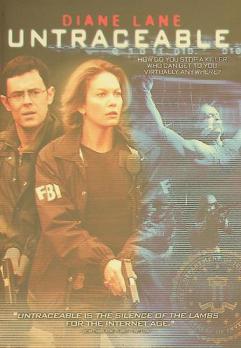
Untraceable
Jennifer Marsh is an FBI secret service agent who gets caught up in a very personal and deadly cat-and-mouse game with a serial killer. The killer knows that people are drawn to the curious and the dark side of things. They will log onto an 'untraceable' website where the killer conducts violent and painful murders live on the internet. The more people who log on and enter the website, the quicker and more violently the victim dies.
DVD

A review of the epidemiological and clinical aspects of West Nile virus
The resurgence of West Nile virus (WNV) in North America and Europe in recent years has raised the concerns of local authorities and highlighted that mosquito-borne disease is not restricted to tropical regions of the world. WNV is maintained in enzootic cycles involving, primarily, Culex spp. mosquitoes and avian hosts, with epizootic spread to mammals, including horses and humans. Human infection results in symptomatic illness in approximately one-fifth of cases and neuroinvasive disease in less than 1% of infected persons. The most consistently recognized risk factor for neuroinvasive disease is older age, although diabetes mellitus, alcohol excess, and a history of cancer may also increase risk. Despite the increasing public health concern, the current WNV treatments are inadequate. Current evidence supporting the use of ribavirin, interferon α, and WNV-specific immunoglobulin are reviewed. Nucleic acid detection has been an important diagnostic development, which is particularly important for the protection of the donated blood supply. While effective WNV vaccines are widely available for horses, no human vaccine has been registered. Uncertainty surrounds the magnitude of future risk posed by WNV, and predictive models are limited by the heterogeneity of environmental, vector, and host factors, even in neighboring regions. However, recent history has demonstrated that for regions where suitable mosquito vectors and reservoir hosts are present, there will be a risk of major epidemics. Given the potential for these outbreaks to include severe neuroinvasive disease, strategies should be implemented to monitor for, and respond to, outbreak risk. While broadscale mosquito control programs will assist in reducing the abundance of mosquito populations and subsequently reduce the risks of disease, for many individuals, the use of topical insect repellents and other personal protective strategies will remain the first line of defense against infection.
Journal Article

Unregulated Open-Access versus Regulated Open-Access Fishing: Stakeholders Perceptions in Sierra Leone
Fish stocks are declining in marine capture coastal fisheries in West Africa. Many observers have blamed climate change and the system of open access for the decline. Open-access fishing encourages too many people to take up fishing, and the result is overfishing of the stocks. According to such critics, this is a classic example of Hardin’s tragedy of the commons, whereby a continuous increase in the number of users of a natural resource eventually leads to the collapse of the resource. The present study, which analysed stakeholders’ perceptions about their open-access fishing in Siera Leone’s marine fisheries, conducted 32 key informant interviews. Our research found that while they perceived that open-access fishing impacted fish stocks, most Sierra Leone’s marine capture fishers did not see open access as a cause of fish decline; instead, they blamed the lack of enforced regulations on the methods and extent of fishing. Accordingly, these fishers favoured the continuation of open access—not least because it helps to alleviate hunger and is a readily available source of protein in Sierra Leone’s coastal communities—but accompanied by strict regulations on both the type of fishing gear used and the quantity, size, and species of fish caught. In other words, they preferred regulated open access to unregulated open access. The central government’s resolve to regulate its fishery will determine whether it will transition from unregulated open access to regulated open access or other forms of OA. This study recommends detailed research into how to influence political will to enforce regulations.
Journal Article
Is a cooperative approach to seaweed farming effectual? An analysis of the seaweed cluster project (SCP), Malaysia
Seaweed (
Kappaphycus
spp.) farming has been practised in Malaysia since the late 1970s following government policy incentives (training and farming inputs). However, numerous governance, economic, environmental, technological and sociocultural challenges have limited the industry from achieving its full potential. The Seaweed Cluster Project (SCP) was introduced in 2012 to address some of these challenges. We sought to evaluate the effectiveness of the SCP in delivering its central objectives of increasing seaweed production, optimising the farming area, improving seaweed quality and farming efficiency, raising farmers’ income, and reducing the environmental impact of seaweed farming. Community and industry perceptions of the SCP were obtained from seven communities using a mixed-methods approach based on face-to-face semi-structured interviews, focus group discussions, household surveys, observation and secondary data. Views on the SCP outcomes were generally negative, including low take-up rates by indigenous people, poor stakeholder participation in decision-making, limited acceptance of new technologies, economic vulnerability, a complex marketing system, and low social cohesion of seaweed farming communities. Positive perceptions included recognition that the SCP confers high social status upon a community, reduces operating costs, and facilitates the production of certified seaweed. The SCP’s problems are linked to poor multi-level governance, weak market mechanisms and unintegrated community development. The study concludes with five recommendations to improve the SCP: promote the participation of indigenous people; legalise existing migrant farmers; strengthen local seaweed cooperative organisations; provide entrepreneurship skills to farmers; and fully integrate stakeholders into decision-making.
Journal Article

The Relation between Fisheries–Science Partnerships and Co-Management: A Case Study of EU Discards Survival Work
This paper is an analysis of the relationship between the concepts of fisheries–science partnership (FSP) and fisheries co-management (FCM), using a case study of recent EU work on discard survival. Are FSP and FCM entirely different forms of joint activity, or is FSP a form of FCM or a means of preparing the ground for FCM? And is the recent EU work on discard survival a form of FSP, or of FCM, or both? A questionnaire was sent out by email in 2015 to 13 people who were involved in the discard survival work, and eight responses were received that covered eight projects in seven countries (Belgium, England, Denmark, France, Norway, Sweden, and the Netherlands). Our main findings are fourfold. First, while FSP and FCM are different forms of joint activity, they are both partnerships. Second, FSP may serve as a precursor or preparation for FCM. Third, the EU discard survival assessment work contains elements of both FSP and FCM, but is mainly a FSP exercise and falls far short of FCM. Nevertheless, fourth, this joint work alongside many other FSP initiatives undertaken under the auspices of the Common Fisheries Policy (CFP) (e.g., the GAP projects) has improved relations between fishers, scientists, and managers, and this may contribute to a modification of the CFP’s largely top-down decision-making system.
Journal Article
Fishing for Principles: The Fairness of Fishing Quota Allocations
Allocating fish quota is a hotly disputed issue across the world, and many different criteria have been employed to achieve it. However, little attention has been devoted to examining the fairness of those criteria. This study aims to fill this gap by focusing on the eight most prominent criteria that have been used or proposed—prior use; market forces; historical entitlement; geographical proximity; sovereign right; economic dependence; environmental stewardship; and equal shares—and examining their respective ethical credentials as principles of distributive justice. The assumption lying behind this aim is that if agreement can be reached on which criteria are the fairest, future conflicts over quota allocations might be averted. The method used to conduct this research was normative analysis, and the materials analysed were obtained from databases such as the Web of Science. However, the study found that the ethically strongest criteria are environmental stewardship and economic dependence, but the most prevalent criteria are historical entitlement and geographical proximity (zonal attachment). So, the principles of distributive justice that are most likely to be applied are not the fairest principles but the principles with the greatest political support. For some commentators, this signifies that justice and ethics have been sacrificed to power and politics. However, there is some evidence that the tide is turning and the arguments in favour of fairness, perhaps in hybrid forms, are beginning to gain momentum.
Journal Article

Alleviating impacts of climate change on fishing communities using weather information to improve fishers’ resilience
This study contributes new knowledge in evaluating actions aimed at alleviating impacts of climate change on small-scale fishers and enhancing resilience in their households in West Africa. Evidence of the damage caused by climate change to the artisanal fisheries sector in West African countries is accumulating. Current measures in place for artisanal fishers to adapt to these changes include broad long-term pro-poor strategies designed to manage the persistent problem of overfishing and declining fish stocks. However, one immediate coping strategy is beginning to emerge, the more active use of reliable weather information. Based on 80 semi-structured interviews conducted in Senegal, Ghana, and Nigeria between 2021 and 2022, this study investigates claims that the use of weather information (WI) is helping West African artisanal fishers and those involved in secondary fishery activities to build more climate-resilient household income and food security. Unlike the long-term measures for mitigating the impact of climate change, results from the study show that by assessing the risk, their marine capture activities using weather information, fishers are immediately benefitting. Using the diffusion of the innovation theory to investigate the pattern of fishers’ adoption and usage of weather information, we found that Senegalese marine artisanal fishers can be classified as “Early Adopters” of this innovation. However, this is not the case with inland fishers who remain skeptical and will only use weather information if they can ascertain its reliability. West Africa’s inland fisheries sector is often neglected in climate change strategies: there is a lack of coordinated action to understand the weather information needs of these vulnerable fishers in order to coassess and codevelop bespoke weather products that offer benefits to them. However, West Africa’s fisheries, especially those inland, are too important to ignore if the United Nations Sustainable Development Goals (UNSDGs), including no poverty and zero hunger, are to be achieved. To help this sector fully benefit from the use of weather information, this study recommends detailed research into the weather information needs of these fishers and user-friendly ways to engage with the fishers to transmit the information.
Journal Article
Proposed Solutions to the Problems of the Lake Chad Fisheries: Resilience Lessons for Africa?
Fishing communities in Lake Chad are experiencing humanitarian crises—more than five million people in the region are hungry and malnourished—and fishers are in dire need of improved fisheries management policies. Understanding the fishers’ resilience, and how they perceive their fisheries policies, could provide an opportunity for governments and fisheries managers to refine their policies. The present study, which is based on 38 semi-structured interviews carried out between January and April 2022 on the Nigerian shores of Lake Chad, breaks new ground, firstly by seeking to understand the issues raised by declining fish stocks in Lake Chad from the viewpoints of fishers themselves; and secondly by making use of resilience theory to interpret the fishers’ responses to their situation. Our findings are that the fishers have a surer grasp of the most effective resilience strategies available to them than external bodies; and that the fishers’ adaptive resilience and local knowledge provide a framework for developing smarter fisheries management policies for Lake Chad. This study provides evidence to support recommendations for Africa’s supranational, national and local governments to invest in, and make use of, the fisheries research on the ground to address the problems facing its fisheries, rather than experimenting with seemingly random ideas from across the globe. The Lake Chad fisheries crisis is an extreme case demonstrating the harmful effects of external influences from which the fisheries of other African countries can learn lessons.
Journal Article