
Catalogue Search | MBRL


Are you sure you want to remove the book from the shelf?

{{itemTitle}}
36
result(s) for
"Green, Connie R."
Sort by:
Religious diversity and children's literature : strategies and resources
This book is an invaluable resource for enabling teachers, religious educators, and families to learn about religious diversity themselves and to teach children about both their own religion as well as the beliefs of others. The traditions featured include indigenous beliefs throughout the world, Native American spirituality, Hinduism, Buddhism, Judaism, Christianity (Orthodoxy, Catholicism and Protestantism), Islam, Sikhism, and other beliefs such as Bahá'í, Unitarian Universalism, Humanism, and Atheism. Each chapter highlights a specific religion or spiritual tradition with a brief discussion about major beliefs, misconceptions, sacred texts, and holy days or celebrations. This summary of each tradition is followed by extensive annotated recommendations for children's and adolescent literature as well as suggested teaching strategies. The recommended literature includes informational books, traditional religious stories, and fiction with religious themes. Teachers, religious educators, and family members will find the literature from these genres to be invaluable tools for bridging the religious experience of the child with that of the global society in which they live.
eBook
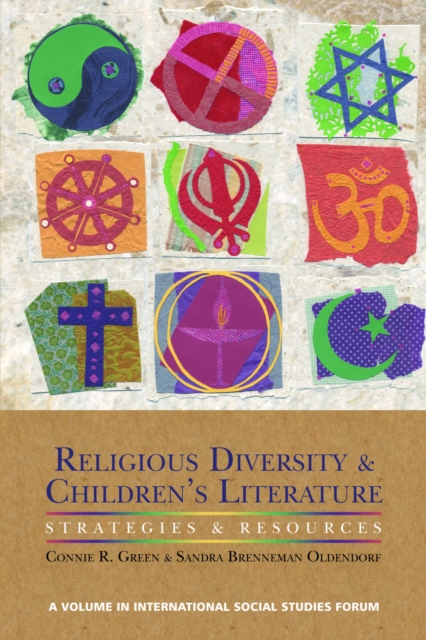
Religious diversity and children's literature
This book is an invaluable resource for enabling teachers, religious educators, and families to learn about religious diversity themselves and to teach children about both their own religion as well as the beliefs of others. The traditions featured include indigenous beliefs throughout the world, Native American spirituality, Hinduism, Buddhism, Judaism, Christianity (Orthodoxy, Catholicism and Protestantism), Islam, Sikhism, and other beliefs such as Baha'i, Unitarian Universalism, Humanism, and Atheism. Each chapter highlights a specific religion or spiritual tradition with a brief discussion about major beliefs, misconceptions, sacred texts, and holy days or celebrations. This summary of each tradition is followed by extensive annotated recommendations for children's and adolescent literature as well as suggested teaching strategies. The recommended literature includes informational books, traditional religious stories, and fiction with religious themes. Teachers, religious educators, and family members will find the literature from these genres to be invaluable tools for bridging the religious experience of the child with that of the global society in which they live.
eBook

Families Reading Together: Connecting Literature and Life
The purposes of this qualitative study were to investigate the ways children's books were shared in the context of daily family life and how young children responded to books. Participants were 11 families and 12 children, age 14 months to 5 and a half years. Data collection included parent reading journals and interviews. Families were asked to maintain their customary reading routines and to record book titles, dates of reading, children's verbal responses to books, and book-related activities. Analysis of the data revealed that multiple books were shared regularly on a daily basis, particularly at naptime and bedtime, to entertain, explain events, and extend enjoyment. Children's responses to books fell into the following categories: literary language, concept acquisition, book-related dramatic play, affective associations, and book-related activities.
Journal Article

This is my Name
Notes that names are the first words most children write and that learning to write their name can be highly motivating for preschoolers. Addresses: why preschool children should be encouraged to write their names; organizing and facilitating the sign-in process at school; how children develop their ability to write their names; and the benefits of a sign-in procedure. (TJQ)
Journal Article