
Catalogue Search | MBRL


Are you sure you want to remove the book from the shelf?

{{itemTitle}}
404
result(s) for
"Green, Sean"
Sort by:

The adventures of your brain
An interactive book introduces readers to the wonders of the human brain, covering how it works, what it does, and what is understood about it.
Book

Sequential Stem Cell–Kidney Transplantation in Schimke Immuno-osseous Dysplasia
Lifelong immunosuppression is required for allograft survival after kidney transplantation but may not ultimately prevent allograft loss resulting from chronic rejection. We developed an approach that attempts to abrogate immune rejection and the need for post-transplantation immunosuppression in three patients with Schimke immuno-osseous dysplasia who had both T-cell immunodeficiency and renal failure. Each patient received sequential transplants of αβ T-cell–depleted and CD19 B-cell–depleted haploidentical hematopoietic stem cells and a kidney from the same donor. Full donor hematopoietic chimerism and functional ex vivo T-cell tolerance was achieved, and the patients continued to have normal renal function without immunosuppression at 22 to 34 months after kidney transplantation. (Funded by the Kruzn for a Kure Foundation.)
Three patients with Schimke immuno-osseous dysplasia who underwent sequential bone marrow and kidney transplantation continued to have normal renal function without immunosuppression at 22 to 34 months.
Journal Article
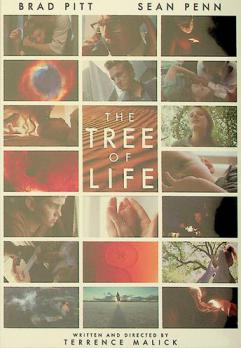
The tree of life
This is a film about the conflict between nature and grace, the agonizing mystery of God, and the meaning of life itself. The death of his brother forces Jack O'Brien to confront his past, which is dominated by his difficult relationship with his father. Jack's father was a stern authoritarian whose no-nonsense demeanor masked a host of unfulfilled dreams. His mother was a gentle, kind woman who often allowed her own needs and desires to give way to those of her husband and children. As Jack's memories come flooding back--of the course of a Texas summer in the 1950s--viewers observe Jack's evolving relationship with his parents, his younger brother, and God, while adult Jack questions the meanings of life, love, and family.
DVD

Random forests for verbal autopsy analysis: multisite validation study using clinical diagnostic gold standards
Background
Computer-coded verbal autopsy (CCVA) is a promising alternative to the standard approach of physician-certified verbal autopsy (PCVA), because of its high speed, low cost, and reliability. This study introduces a new CCVA technique and validates its performance using defined clinical diagnostic criteria as a gold standard for a multisite sample of 12,542 verbal autopsies (VAs).
Methods
The Random Forest (RF) Method from machine learning (ML) was adapted to predict cause of death by training random forests to distinguish between each pair of causes, and then combining the results through a novel ranking technique. We assessed quality of the new method at the individual level using chance-corrected concordance and at the population level using cause-specific mortality fraction (CSMF) accuracy as well as linear regression. We also compared the quality of RF to PCVA for all of these metrics. We performed this analysis separately for adult, child, and neonatal VAs. We also assessed the variation in performance with and without household recall of health care experience (HCE).
Results
For all metrics, for all settings, RF was as good as or better than PCVA, with the exception of a nonsignificantly lower CSMF accuracy for neonates with HCE information. With HCE, the chance-corrected concordance of RF was 3.4 percentage points higher for adults, 3.2 percentage points higher for children, and 1.6 percentage points higher for neonates. The CSMF accuracy was 0.097 higher for adults, 0.097 higher for children, and 0.007 lower for neonates. Without HCE, the chance-corrected concordance of RF was 8.1 percentage points higher than PCVA for adults, 10.2 percentage points higher for children, and 5.9 percentage points higher for neonates. The CSMF accuracy was higher for RF by 0.102 for adults, 0.131 for children, and 0.025 for neonates.
Conclusions
We found that our RF Method outperformed the PCVA method in terms of chance-corrected concordance and CSMF accuracy for adult and child VA with and without HCE and for neonatal VA without HCE. It is also preferable to PCVA in terms of time and cost. Therefore, we recommend it as the technique of choice for analyzing past and current verbal autopsies.
Journal Article

X-Men : Gambit : the complete collection. Vol. 2
\"The Cajun rages on! Join Gambit on a time-tossed trip to the 19th century, and discover how the Thieves' Guild was shaped by Candra...and Mr. Sinister! Back in the present, Remy needs help - and Rogue flies to his aid! Thanks to Gambit's evolving powers, he can finally greet her with a kiss - but as his abilities get more unstable, any thoughts of romance will be short-lived. Gambit's destiny looms as he takes leadership of the Guild - assuming he can survive an Assassination Game against deadly villains like Bullseye, Constrictor, Zaran, Deadpool...and Archangel? And what are X-Cutioner and Ego the Living Planet doing here?! Gambit will finally discover the secret of his mysterious patron, the New Son - but is he hero or villain, and what will Gambit have to sacrifice to triumph?\"--Page [4] of cover.
BOOK

Rational Alternatives to Fludarabine and Cyclophosphamide-Based Pre-CAR Lymphodepleting Regimens in the Pediatric and Young Adult B-ALL Setting
Purpose of ReviewLymphodepleting chemotherapy (LD) has emerged as a key determinant of chimeric antigen receptor T cell (CAR) efficacy across pediatric/adult B cell malignancies. Clinical trials demonstrate the superiority of fludarabine/cyclophosphamide (Flu/Cy) regimens, resulting in the adoption of Flu/Cy as the pre-CAR LD standard. In the context of a global fludarabine shortage, consideration of alternative regimens is timely, yet limited clinical data exists, specifically in the pediatric B-ALL CAR setting.Recent FindingsBendamustine has been used as an effective LD prior to CD19-CAR in adult lymphoma. Although use in the pediatric CAR setting is limited, tolerability has been established in pediatric Hodgkin’s lymphoma. Clofarabine is a purine nucleoside analog with mechanistic overlap with fludarabine; however, toxicity is high in the upfront leukemia setting, and thus use as an LD pre-CAR should be pursued with caution.SummaryWe review the experience using bendamustine and clofarabine to serve as a resource when considering LD regimens as an alternative to fludarabine for pediatric B-ALL.
Journal Article

Metasearch accuracy for letters and symbols: do our intuitions match empirical reality?
The “familiarity effect” (Shen and Reingold,
Perception & Psychophysics
63(3):464–475,
2001
) is a phenomenon in which unfamiliar symbols perceptually “pop-out” when placed among familiar symbols (e.g., letters). In contrast, searching for familiar symbols among unfamiliar symbols is more challenging. Failure to account for effects such as these when predicting search performance could lead to overconfidence and error. This study investigated metacognitive awareness of the familiarity effect by asking participants to rate the speed and accuracy of search before they searched for either letter or symbol targets among letter or symbol distractors. Feature overlap between target and distractor and target presence or absence were also manipulated to provide concurrent cues to task difficulty. This study examined metacognitive awareness of the “familiarity effect,” and extended the findings from an earlier metasearch study (Redford et al.,
Memory and Cognition
39:1534–1545,
2011
). Metacognition was accurate with respect to the familiarity effect. However, participants incorrectly predicted that they would detect a target’s absence faster than its presence. These findings suggest that people have metacognitive awareness for some aspects of visual search, even when patterns of search performance are complex and potentially counterintuitive. However, limitations exist in our metacognitive awareness of visual search. The results are discussed in relation to Koriat’s cue utilization framework and heuristic-based metacognition.
Journal Article

GD2-CAR T cell therapy for H3K27M-mutated diffuse midline gliomas
Diffuse intrinsic pontine glioma (DIPG) and other H3K27M-mutated diffuse midline gliomas (DMGs) are universally lethal paediatric tumours of the central nervous system
1
. We have previously shown that the disialoganglioside GD2 is highly expressed on H3K27M-mutated glioma cells and have demonstrated promising preclinical efficacy of GD2-directed chimeric antigen receptor (CAR) T cells
2
, providing the rationale for a first-in-human phase I clinical trial (NCT04196413). Because CAR T cell-induced brainstem inflammation can result in obstructive hydrocephalus, increased intracranial pressure and dangerous tissue shifts, neurocritical care precautions were incorporated. Here we present the clinical experience from the first four patients with H3K27M-mutated DIPG or spinal cord DMG treated with GD2-CAR T cells at dose level 1 (1 × 10
6
GD2-CAR T cells per kg administered intravenously). Patients who exhibited clinical benefit were eligible for subsequent GD2-CAR T cell infusions administered intracerebroventricularly
3
. Toxicity was largely related to the location of the tumour and was reversible with intensive supportive care. On-target, off-tumour toxicity was not observed. Three of four patients exhibited clinical and radiographic improvement. Pro-inflammatory cytokine levels were increased in the plasma and cerebrospinal fluid. Transcriptomic analyses of 65,598 single cells from CAR T cell products and cerebrospinal fluid elucidate heterogeneity in response between participants and administration routes. These early results underscore the promise of this therapeutic approach for patients with H3K27M-mutated DIPG or spinal cord DMG.
A phase I dose-escalation trial of GD2-CAR T cells in children and young adults with diffuse midline gliomas to assess the feasibility of manufacturing, safety and tolerability, and to preliminarily assess efficacy.
Journal Article
Intravenous and intracranial GD2-CAR T cells for H3K27M+ diffuse midline gliomas
H3K27M-mutant diffuse midline gliomas (DMGs) express high levels of the disialoganglioside GD2 (ref.
1
). Chimeric antigen receptor-modified T cells targeting GD2 (GD2-CART) eradicated DMGs in preclinical models
1
. Arm A of Phase I trial no.
NCT04196413
(ref.
2
) administered one intravenous (IV) dose of autologous GD2-CART to patients with H3K27M-mutant pontine (DIPG) or spinal DMG (sDMG) at two dose levels (DL1, 1 × 10
6
kg
−
1
; DL2, 3 × 10
6
kg
−1
) following lymphodepleting chemotherapy. Patients with clinical or imaging benefit were eligible for subsequent intracerebroventricular (ICV) intracranial infusions (10–30 × 10
6
GD2-CART). Primary objectives were manufacturing feasibility, tolerability and the identification of maximally tolerated IV dose. Secondary objectives included preliminary assessments of benefit. Thirteen patients enroled, with 11 receiving IV GD2-CART on study (
n
= 3 DL1 (3 DIPG);
n
= 8 DL2 (6 DIPG, 2 sDMG)). GD2-CART manufacture was successful for all patients. No dose-limiting toxicities occurred on DL1, but three patients experienced dose-limiting cytokine release syndrome on DL2, establishing DL1 as the maximally tolerated IV dose. Nine patients received ICV infusions, with no dose-limiting toxicities. All patients exhibited tumour inflammation-associated neurotoxicity, safely managed with intensive monitoring and care. Four patients demonstrated major volumetric tumour reductions (52, 54, 91 and 100%), with a further three patients exhibiting smaller reductions. One patient exhibited a complete response ongoing for over 30 months since enrolment. Nine patients demonstrated neurological benefit, as measured by a protocol-directed clinical improvement score. Sequential IV, followed by ICV GD2-CART, induced tumour regressions and neurological improvements in patients with DIPG and those with sDMG.
We evaluated the use of chimeric antigen receptor-modified T cells targeting GD2 (GD2-CART) for H3K27M
+
diffuse midline glioma (DMG), finding that intravenous administration of GD2-CART, followed by intracranial infusions, induced tumour regressions and neurological improvements in patients with H3K27M-mutant pontine or spinal DMG.
Journal Article

Using a Self-Organizing Map (SOM) and the Hyperspace Analog to Language (HAL) Model to Identify Patterns of Syntax and Structure in the Songs of Humpback Whales
Two different fully automated models were used to examine syntax and structure in humpback whalesong. Songs were initially classified via a Self-Organizing Map (SOM), and then examined, via the Hyperspace Analog to Language (HAL) model, for evidence of a type of higher level organization -global co-occurrence - found in human language. HAL was able to identify particular “classes” ofsong units which were used interchangeably to form patterns in the song, not unlike the use of noun verb-direct object in human language, where the noun, verb, or direct object can be any one of many possibilities from that particular class. Further, HAL identified specific patterns unique to the songsand their respective geographical areas. These patterns provide support for the idea that humpback whale songs are unique to specific region and may be transmitted culturally.
Journal Article