
Catalogue Search | MBRL


Are you sure you want to remove the book from the shelf?

{{itemTitle}}
28,352
result(s) for
"Guo, Lin"
Sort by:
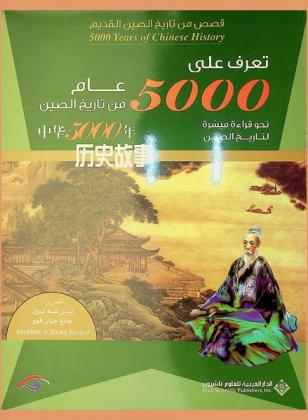
تعرف على 5000 عام من تاريخ الصين : نحو قراءة ميسرة لتاريخ الصين
يضم الكتاب قصص من تاريخ الصين القديم ذلك البلد الذي يعد من أقدم حضارات العالم التي يعود تاريخها إلى ما قبل خمسة آلاف عام حيث يجمع الكتاب بين المعرفة والمتعة والإبداع ويحتوي على نصوص من معارف تاريخية وجزءا خاصا بالثقافة يعمل على توسيع الأفق المعرفي للقراء ويعتمد الكتاب في طرح أفكاره بطريقة قص الحكايات كأسلوب لسرد الأحداث التاريخية كما يحتوي على مجموعة هائلة من الصور مما يزيد من شغف القارئ.
BOOK

Single-cell transcriptome profiling of an adult human cell atlas of 15 major organs
Background
As core units of organ tissues, cells of various types play their harmonious rhythms to maintain the homeostasis of the human body. It is essential to identify the characteristics of cells in human organs and their regulatory networks for understanding the biological mechanisms related to health and disease. However, a systematic and comprehensive single-cell transcriptional profile across multiple organs of a normal human adult is missing.
Results
We perform single-cell transcriptomes of 84,363 cells derived from 15 tissue organs of one adult donor and generate an adult human cell atlas. The adult human cell atlas depicts 252 subtypes of cells, including major cell types such as T, B, myeloid, epithelial, and stromal cells, as well as novel
COCH
+
fibroblasts and FibSmo cells, each of which is distinguished by multiple marker genes and transcriptional profiles. These collectively contribute to the heterogeneity of major human organs. Moreover, T cell and B cell receptor repertoire comparisons and trajectory analyses reveal direct clonal sharing of T and B cells with various developmental states among different tissues. Furthermore, novel cell markers, transcription factors, and ligand-receptor pairs are identified with potential functional regulations in maintaining the homeostasis of human cells among tissues.
Conclusions
The adult human cell atlas reveals the inter- and intra-organ heterogeneity of cell characteristics and provides a useful resource in uncovering key events during the development of human diseases in the context of the heterogeneity of cells and organs.
Journal Article

Beneficial impact of epigallocatechingallate on LDL-C through PCSK9/LDLR pathway by blocking HNF1α and activating FoxO3a
Background
Green tea drinking has been proven to lower lipid and exert cardiovascular protection, while the potential mechanism has not been fully determined. This study was to investigate whether the beneficial impact of epigallocatechingallate (EGCG), a type of catechin in green tea on lipids is associated with proprotein convertase subtilisin/kexin type 9 (PCSK9) pathways.
Methods
We studied the effects and underlying molecular mechanism of EGCG or green tea on regulating cholesterol from human, animal and in vitro.
Results
In the age- and gender-matched case control observation, we found that individuals with frequent tea consumption (n = 224) had the lower plasma PCSK9 and low density lipoprotein cholesterol (LDL-C) levels compared with ones without tea consumption (n = 224, p < 0.05). In the high fat diet (HFD) fed rats, EGCG administration significantly lowered circulating PCSK9 concentration and liver PCSK9 expression, along with up-regulated LDL receptor (LDLR) expression but decreased level of LDL-C. In hepatic cell study, similar results were obtained regarding the impact of EGCG on LDLR and PCSK9 expression. The assay transposase-accessible chromatic with high-throughput sequencing (ATAC-seq) and subsequent results suggested that two transcription factors, hepatocyte nuclear factor-1α (HNF-1α) and forkhead box class O (FoxO) 3a involved in inhibitory action of EGCG on PCSK9 expression.
Conclusions
The present study demonstrates that EGCG suppresses PCSK9 production by promoting nuclear FoxO3a, and reducing nuclear HNF1α, resulting in up-regulated LDLR expression and LDL uptake in hepatocytes. Thereby inhibiting liver and circulating PCSK9 levels, and ultimately lowering LDL-C levels.
Journal Article

2023 Chinese guideline for lipid management
Atherosclerotic cardiovascular disease (ASCVD) is the leading cause of death among urban and rural residents in China, and elevated low-density lipoprotein cholesterol (LDL-C) is a risk factor for ASCVD. Considering the increasing burden of ASCVD, lipid management is of the utmost importance. In recent years, research on blood lipids has made breakthroughs around the world, hence a revision of Chinese guideline for lipid management is imperative, especially since the target lipid levels in the general population vary in respect to the risk of ASCVD. The level of LDL-C, which can be regarded as appropriate in a population without frisk factors, can be considered abnormal in people at high risk of developing ASCVD. As a result, the “Guidelines for the prevention and treatment of dyslipidemia\" were adapted into the “Chinese guideline for Lipid Management\" (henceforth referred to as the new guidelines) by an Experts’ committee after careful deliberation. The new guidelines still recommend LDL-C as the primary target for lipid control, with cardiovascular disease (CVD) risk stratification to determine its target value. These guidelines recommend that moderate intensity statin therapy in adjunct with a heart-healthy lifestyle, be used as an initial line of treatment, followed by cholesterol absorption inhibitors or/and proprotein convertase subtilisin/kexin type 9 (PCSK9) inhibitors, as necessary. The new guidelines provide guidance for lipid management across various age groups, from children to the elderly. The aim of these guidelines is to comprehensively improve the management of lipids and promote the prevention and treatment of ASCVD by guiding clinical practice.
Journal Article

Recent advances in solid–liquid triboelectric nanogenerator technologies, affecting factors, and applications
Converting dispersed mechanical energy into electrical energy can effectively improve the global energy shortage problem. The dispersed mechanical energy generated by liquid flow has a good application prospect as one of the most widely used renewable energy sources. Solid–liquid triboelectric nanogenerator (S–L TENG) is an inspiring device that can convert dispersed mechanical energy of liquids into electrical energy. In order to promote the design and applications of S–L TENG, it is of vital importance to understand the underlying mechanisms of energy conversion and electrical energy output affecters. The current research mainly focuses on the selection of materials, structural characteristics, the liquid droplet type, and the working environment parameters, so as to obtain different power output and meet the power supply needs of diversified scenarios. There are also studies to construct a theoretical model of S–L TENG potential distribution mechanism through COMSOL software, as well as to obtain the adsorption status of different kinds of ions with functional groups on the surface of friction power generation layer through molecular dynamics simulation. In this review, we summarize the main factors affecting the power output from four perspectives: working environment, friction power generation layer, conductive part, and substrate shape. Also summarized are the latest applications of S–L TENG in energy capture, wearable devices, and medical applications. Ultimately, this review suggests the research directions that S–L TENG should focus on in the future to enhance electrical energy output, as well as to expand the diversity of application scenarios.
Journal Article

Digital transformation, green innovation and the Solow productivity paradox
To provide evidence at the micro level for cracking the Solow productivity paradox, this paper deeply studies the impact of enterprise digital transformation on green innovation. In terms of theoretical research, three potential mechanisms are excavated for the first time; considering empirical research, a series of strict causal effect identification strategies are carried out. The results show that enterprise digital transformation can significantly promote green innovation, and it passes a series of robustness tests and endogenous tests. According to the theoretical and empirical results, the policy suggestions mainly include five points: helping enterprises to accelerate digital transformation; strengthening the green innovation ability of enterprises; reducing internal and external costs and promoting the professional division of labor; piloting the digital transformation policy; enhancing corporate social responsibility. It provides a reference of experience and a path for other countries to follow in implementing a digital transformation strategy and green sustainable development strategy.
Journal Article

De novo transcriptome sequencing of Rhododendron molle and identification of genes involved in the biosynthesis of secondary metabolites
Background
Rhododendron molle
(Ericaceae) is a traditional Chinese medicinal plant, its flower and root have been widely used to treat rheumatism and relieve pain for thousands of years in China. Chemical studies have revealed that
R. molle
contains abundant secondary metabolites such as terpenoinds, flavonoids and lignans, some of which have exhibited various bioactivities including antioxidant, hypotension and analgesic activity. In spite of immense pharmaceutical importance, the mechanism underlying the biosynthesis of secondary metabolites remains unknown and the genomic information is unavailable.
Results
To gain molecular insight into this plant, especially on the information of pharmaceutically important secondary metabolites including grayanane diterpenoids, we conducted deep transcriptome sequencing for
R. molle
flower and root using the Illumina Hiseq platform. In total, 100,603 unigenes were generated through de novo assembly with mean length of 778 bp, 57.1% of these unigenes were annotated in public databases and 17,906 of those unigenes showed significant match in the KEGG database. Unigenes involved in the biosynthesis of secondary metabolites were annotated, including the TPSs and CYPs that were potentially responsible for the biosynthesis of grayanoids. Moreover, 3376 transcription factors and 10,828 simple sequence repeats (SSRs) were also identified. Additionally, we further performed differential gene expression (DEG) analysis of the flower and root transcriptome libraries and identified numerous genes that were specifically expressed or up-regulated in flower.
Conclusions
To the best of our knowledge, this is the first time to generate and thoroughly analyze the transcriptome data of both
R. molle
flower and root. This study provided an important genetic resource which will shed light on elucidating various secondary metabolite biosynthetic pathways in
R. molle
, especially for those with medicinal value and allow for drug development in this plant.
Journal Article

Locking the lattice oxygen in RuO2 to stabilize highly active Ru sites in acidic water oxidation
Ruthenium dioxide is presently the most active catalyst for the oxygen evolution reaction (OER) in acidic media but suffers from severe Ru dissolution resulting from the high covalency of Ru-O bonds triggering lattice oxygen oxidation. Here, we report an interstitial silicon-doping strategy to stabilize the highly active Ru sites of RuO
2
while suppressing lattice oxygen oxidation. The representative Si-RuO
2
−0.1 catalyst exhibits high activity and stability in acid with a negligible degradation rate of ~52 μV h
−1
in an 800 h test and an overpotential of 226 mV at 10 mA cm
−2
. Differential electrochemical mass spectrometry (DEMS) results demonstrate that the lattice oxygen oxidation pathway of the Si-RuO
2
−0.1 was suppressed by ∼95% compared to that of commercial RuO
2
, which is highly responsible for the extraordinary stability. This work supplied a unique mentality to guide future developments on Ru-based oxide catalysts’ stability in an acidic environment.
RuO
2
is highly active toward the acidic electrochemical oxygen evolution reaction but exhibits instability due to lattice oxygen oxidation. Here, authors prepare an interstitial Si-decorated RuO
2
catalyst with improved stability for acidic water oxidation by suppressing lattice oxygen oxidation.
Journal Article
Tumour heterogeneity and intercellular networks of nasopharyngeal carcinoma at single cell resolution
The heterogeneous nature of tumour microenvironment (TME) underlying diverse treatment responses remains unclear in nasopharyngeal carcinoma (NPC). Here, we profile 176,447 cells from 10 NPC tumour-blood pairs, using single-cell transcriptome coupled with T cell receptor sequencing. Our analyses reveal 53 cell subtypes, including tumour-infiltrating CD8
+
T, regulatory T (Treg), and dendritic cells (DCs), as well as malignant cells with different Epstein-Barr virus infection status. Trajectory analyses reveal exhausted CD8
+
T and immune-suppressive TNFRSF4
+
Treg cells in tumours might derive from peripheral CX3CR1
+
CD8
+
T and naïve Treg cells, respectively. Moreover, we identify immune-regulatory and tolerogenic LAMP3
+
DCs. Noteworthily, we observe intensive inter-cell interactions among LAMP3
+
DCs, Treg, exhausted CD8
+
T, and malignant cells, suggesting potential cross-talks to foster an immune-suppressive niche for the TME. Collectively, our study uncovers the heterogeneity and interacting molecules of the TME in NPC at single-cell resolution, which provide insights into the mechanisms underlying NPC progression and the development of precise therapies for NPC.
Nasopharyngeal carcinoma is a diverse cancer characterised by a heterogeneous microenvironment. Here, the authors use single cell sequencing to analyse the tumour microenvironment in 10 nasopharyngeal carcinoma tumours and identify different cell types including immune-suppressive T regulatory, tolerogenic dendritic, and exhausted CD8 T cells.
Journal Article

Interrupted time series analysis using the ARIMA model of the impact of COVID-19 on the incidence rate of notifiable communicable diseases in China
Background
The coronavirus disease 2019 (COVID-19) pandemic in China is ongoing. Some studies have shown that the incidence of respiratory and intestinal infectious diseases in 2020 decreased significantly compared with previous years. Interrupted time series (ITS) is a time series analysis method that evaluates the impact of intervention measures on outcomes and can control the original regression trend of outcomes before and after the intervention. This study aimed to analyse the impact of COVID-19 on the incidence rate of notifiable communicable diseases using ITS in China.
Methods
National data on the incidence rate of communicable diseases in 2009–2021 were obtained from the National Health Commission website. Interrupted time series analysis using autoregressive integrated moving average (ARIMA) models was used to analyse the changes in the incidence rate of infectious diseases before and after the COVID-19 epidemic.
Results
There was a significant short-term decline in the incidence rates of respiratory infectious diseases and enteric infectious diseases (step values of -29.828 and − 8.237, respectively), which remained at a low level for a long time after the decline. There was a short-term decline in the incidence rates of blood-borne and sexually transmitted infectious diseases (step = -3.638), which tended to recover to previous levels in the long term (ramp = 0.172). There was no significant change in the incidence rate of natural focus diseases or arboviral diseases before and after the epidemic.
Conclusion
The COVID-19 epidemic had strong short-term and long-term effects on respiratory and intestinal infectious diseases and short-term control effects on blood-borne and sexually transmitted infectious diseases. Our methods for the prevention and control of COVID-19 can be used for the prevention and control of other notifiable communicable diseases, especially respiratory and intestinal infectious diseases.
Journal Article