
Catalogue Search | MBRL


Are you sure you want to remove the book from the shelf?

{{itemTitle}}
11,294
result(s) for
"Guo, Ling"
Sort by:
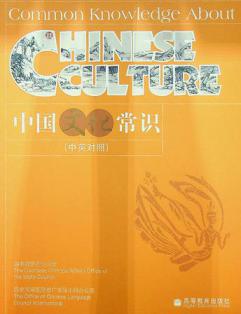
Common knowledge about Chinese culture
Traditional Chinese ideology - Traditional virtues of China - Ancient Chinese literature - Science and technology of ancient China - Traditional Chinese art - Chinese cultural relics - Ancient Chinese architecture - Chinese arts and crafts - Chinese folk customs - Life of the Chinese people.
Book

Understanding activity trends in electrochemical water oxidation to form hydrogen peroxide
Electrochemical production of hydrogen peroxide (H
2
O
2
) from water oxidation could provide a very attractive route to locally produce a chemically valuable product from an abundant resource. Herein using density functional theory calculations, we predict trends in activity for water oxidation towards H
2
O
2
evolution on four different metal oxides, i.e., WO
3
, SnO
2
, TiO
2
and BiVO
4
. The density functional theory predicted trend for H
2
O
2
evolution is further confirmed by our experimental measurements. Moreover, we identify that BiVO
4
has the best H
2
O
2
generation amount of those oxides and can achieve a Faraday efficiency of about 98% for H
2
O
2
production.
Producing hydrogen peroxide via electrochemical oxidation of water is an attractive route to this valuable product. Here the authors theoretically and experimentally investigate hydrogen peroxide production activity trends for a range of metal oxides and identify the optimal bias ranges for high Faraday efficiencies.
Journal Article


Integrative physiological and transcriptomic analysis provides insights on the molecular basis of ABA-enhanced drought tolerance in pear (Pyrus betulaefolia)
Background
Drought stress could suppress the carbon assimilation and limit nutrient uptake of pear plants, thus affecting their growth and severely impacting the quality and yield of pear fruit. ABA is a stress hormone and is reported to alleviate drought stress in numerous plants. However, whether and how ABA functions in the drought responses of pear plants is yet explored.
Results
Here, to address this gap, pear seedlings (
Pyrus betulaefolia
) were used and subjected to PEG-induced drought conditions with or without additional ABA in various doses. The results showed that while drought caused severe leaf water loss and damage, applying ABA at 50 µM and 100 µM dramatically amended the phenomenon, as indicated by the markedly increased relative water content, and notably decreased relative electrolyte leakage and malondialdehyde content. Based on the results of RNA sequencing and related physiological indices, it was found that drought grossly disrupted chlorophyll synthesis and photosynthesis. It induced the over-production of reactive oxygen species (ROS) and broke the ROS homeostasis, despite the pronounced increases in ABA biosynthesis/content and signaling, flavonoid synthesis, and antioxidant enzyme activities, as well as sugar metabolism. However, ABA applications significantly elevated the expressions of genes in chlorophyll synthesis and photosynthesis, partially boosting the SPAD and
Fv
/
Fm
values. In addition, ABA treatments further prominently accelerate the synthesis processes of ABA, flavonoids, and antioxidant enzymes by up-regulating the corresponding genes, resulting in endogenous ABA accumulation and enzymatic activity improvement, thereby expediting the ROS scavenging. Of course, the sugar metabolism pathway was also outstandingly enhanced to balance the growth and stress response of pear seedlings. Moreover, through WGCNA analysis, the core turquoise module associated with ABA-attenuated drought stress was identified, and a portion of key transcription factors (TFs) and some hub genes were characterized, particularly for ERF, WRKY, MYB, bHLH, NAC in TFs, and
CSP
,
COR
, and
DHN
in hub genes. Overall, our study reveals that exogenous ABA could help pear plants to efficiently scavenge drought-induced ROS by improving their photosynthesis capacity, ABA accumulation, sugar catabolism, enzymatic antioxidant system, etc. These results will provide a scientific basis and practical direction for utilizing ABA to mitigate the adverse effects of water starvation resulting from the persistent high temperature on pear plants in summer.
Conclusion
50 µM and 100 µM ABA application ameliorated the drought damage in pear seedlings, and the working routes are associated with reinforcement in the photosystem, ABA biosynthesis and signaling, flavonoid accumulation, and sugar metabolism, as well as enzymatic activities in ROS scavenging. The relevant regulatory network is complex, primarily concerned with ERF, WRKY, MYB, bHLH, and NAC TFs, with a focus on the potential target genes named
CSP
,
COR
, and
DHN
.
Journal Article

Prevalence of sleep disturbances in Chinese adolescents: A systematic review and meta-analysis
To review cross-sectional studies on the prevalence of sleep disturbance in Chinese adolescents and use a meta-analysis to explore the factors that may explain the heterogeneity between estimates of the prevalence.
We followed the Preferred Reporting Items for Systematic Review and Meta-analysis and searched the PubMed, Embase, Cochrane Library, PsycINFO, Scopus, Web of Science, SinoMed, Chinese National Knowledge Infrastructure (CNKI), WanFang, and VIP Database for Chinese Technical Periodicals databases from their inception through June 30, 2020. Analysis of the abstract, full-text, and data were conducted independently with uniform standards. Sub-group analyses and meta-regression analyses were performed to explore the associations between prevalence and gender, sex ratio, mean age, area, studying stage, sample size, survey time, response rate, assessment tools, PSQI cut-off, and quality score of the study.
A total of 63 studies (64 groups of outcomes) were included in our analysis, covering 430,422 adolescents across China, of which 104,802 adolescents had sleep disturbances. The overall pooled prevalence was 26% (95% CI: 24-27%). Adolescents in senior high school (28%, 95% CI: 24-31%, p<0.001) had a higher prevalence of sleep disturbances than those in junior high school (20%, 95% CI: 15-24%, p<0.001). Studies with effective sample size of more than 1,000 and less than 3,000 had the highest prevalence of 30% (95% CI: 24-35%, p<0.001). The prevalence of sleep disturbances was not affected by other factors.
This systematic review and meta-analysis revealed that sleep disturbances are common in Chinese adolescents, and effective psychological and behavior intervention may be needed to help adolescents solve their sleep problems.
Journal Article
Chronic Restraint Stress Inhibits Hair Growth via Substance P Mediated by Reactive Oxygen Species in Mice
Solid evidence has demonstrated that psychoemotional stress induced alteration of hair cycle through neuropeptide substance P (SP) mediated immune response, the role of reactive oxygen species (ROS) in brain-skin-axis regulation system remains unknown.
The present study aims to investigate possible mechanisms of ROS in regulation of SP-mast cell signal pathway in chronic restraint stress (CRS, a model of chronic psychoemotional stress) which induced abnormal of hair cycle.
Our results have demonstrated that CRS actually altered hair cycle by inhibiting hair follicle growth in vivo, prolonging the telogen stage and delaying subsequent anagen and catagen stage. Up-regulation of SP protein expression in cutaneous peripheral nerve fibers and activation of mast cell were observed accompanied with increase of lipid peroxidation levels and reduction of the activities of superoxide dismutase (SOD) and glutathione peroxidase (GSH-Px) in CRS mice skin. In addition, SP receptor antagonist (RP67580) reduced mast cell activations and lipid peroxidation levels as well as increased GSH-Px activity and normalized hair cycle. Furthermore, antioxidant Tempol (a free radical scavenger) also restored hair cycle, reduced SP protein expression and mast cell activation.
Our study provides the first solid evidence for how ROS play a role in regulation of psychoemotional stress induced SP-Mast cell pathway which may provide a convincing rationale for antioxidant application in clinical treatment with psychological stress induced hair loss.
Journal Article

Spatiotemporally dynamic, cell-type–dependent premeiotic and meiotic phasiRNAs in maize anthers
Maize anthers, the male reproductive floral organs, express two classes of phased small-interfering RNAs (phasiRNAs). PhasiRNA precursors are transcribed by RNA polymerase II and map to low-copy, intergenic regions similar to PIWI-interacting RNAs (piRNAs) in mammalian testis. From 10 sequential cohorts of staged maize anthers plus mature pollen we find that 21-nt phased siRNAs from 463 loci appear abruptly after germinal and initial somatic cell fate specification and then diminish, whereas 24-nt phasiRNAs from 176 loci coordinately accumulate during meiosis and persist as anther somatic cells mature and haploid gametophytes differentiate into pollen. Male-sterile ocl4 anthers defective in epidermal signaling lack 21-nt phasiRNAs. Male-sterile mutants with subepidermal defects— mac1 (excess meiocytes), ms23 (defective pretapetal cells), and msca1 (no normal soma or meiocytes)—lack 24-nt phasiRNAs. ameiotic1 mutants (normal soma, no meiosis) accumulate both 21-nt and 24-nt phasiRNAs, ruling out meiotic cells as a source or regulator of phasiRNA biogenesis. By in situ hybridization, miR2118 triggers of 21-nt phasiRNA biogenesis localize to epidermis; however, 21- PHAS precursors and 21-nt phasiRNAs are abundant subepidermally. The miR2275 trigger, 24- PHAS precursors, and 24-nt phasiRNAs all accumulate preferentially in tapetum and meiocytes. Therefore, each phasiRNA type exhibits independent spatiotemporal regulation with 21-nt premeiotic phasiRNAs dependent on epidermal and 24-nt meiotic phasiRNAs dependent on tapetal cell differentiation. Maize phasiRNAs and mammalian piRNAs illustrate putative convergent evolution of small RNAs in male reproduction.
Significance By RNA profiling of 10 stages of maize anthers plus mature pollen, we found two distinct classes of phased small-interfering RNAs (phasiRNAs): 21-nt premeiotic phasiRNAs, after germinal and somatic cell specification, and 24-nt meiotic phasiRNAs coordinately accumulated during meiosis and persist into pollen. Sequencing of RNA from five male-sterile, anther developmental mutants— ocl4 , mac1 , ms23 , msca1 , and ameiotic1 —demonstrated the involvement of specific somatic layers. Premeiotic phasiRNAs require a functional epidermis, whereas meiotic phasiRNAs require a normal tapetum. Mammalian germ cells express “prepachytene” or “pachytene” PIWI-interacting RNAs (piRNAs). Whereas differences in biogenesis indicate independent origins, grass phasiRNAs and mammalian piRNAs share developmental timing, a lack of obvious targets, and an impact on male fertility, suggesting a possible evolutionary convergence.
Journal Article