
Catalogue Search | MBRL


Are you sure you want to remove the book from the shelf?

{{itemTitle}}
3,934
result(s) for
"Guo, Qiao"
Sort by:
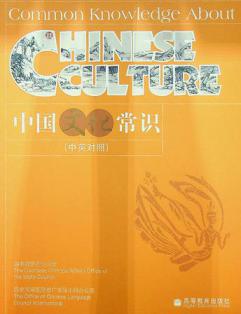
Common knowledge about Chinese culture
Traditional Chinese ideology - Traditional virtues of China - Ancient Chinese literature - Science and technology of ancient China - Traditional Chinese art - Chinese cultural relics - Ancient Chinese architecture - Chinese arts and crafts - Chinese folk customs - Life of the Chinese people.
Book

Photodegradation of carbon dots cause cytotoxicity
Carbon dots (CDs) are photoluminescent nanomaterials with wide-ranging applications. Despite their photoactivity, it remains unknown whether CDs degrade under illumination and whether such photodegradation poses any cytotoxic effects. Here, we show laboratory-synthesized CDs irradiated with light degrade into molecules that are toxic to both normal (HEK-293) and cancerous (HeLa and HepG2) human cells. Eight days of irradiation photolyzes 28.6-59.8% of the CDs to <3 kilo Dalton molecules, 1431 of which are detected by high-throughput, non-target high-performance liquid chromatography-quadrupole time-of-flight mass spectrometry. Molecular network and community analysis further reveal 499 cytotoxicity-related molecules, 212 of which contain polyethylene glycol, glucose, or benzene-related structures. Photo-induced production of hydroxyl and alkyl radicals play important roles in CD degradation as affected by temperature, pH, light intensity and wavelength. Commercial CDs show similar photodegraded products and cytotoxicity profiles, demonstrating that photodegradation-induced cytotoxicity is likely common to CDs regardless of their chemical composition. Our results highlight the importance of light in cytocompatibility studies of CDs.
Carbon dots have attracted much attention for biomedical applications but potential degradation and associated toxicity are still poorly understood. Here, the authors report on a study into the photo-degradation of carbon dots, the products produced and associated cytotoxicity.
Journal Article

Harnessing accurate non-homologous end joining for efficient precise deletion in CRISPR/Cas9-mediated genome editing
Background
Many applications of CRISPR/Cas9-mediated genome editing require Cas9-induced non-homologous end joining (NHEJ), which was thought to be error prone. However, with directly ligatable ends, Cas9-induced DNA double strand breaks may be repaired preferentially by accurate NHEJ.
Results
In the repair of two adjacent double strand breaks induced by paired Cas9-gRNAs at 71 genome sites, accurate NHEJ accounts for about 50% of NHEJ events. This paired Cas9-gRNA approach underestimates the level of accurate NHEJ due to frequent + 1 templated insertions, which can be avoided by the predefined Watson/Crick orientation of protospacer adjacent motifs (PAMs). The paired Cas9-gRNA strategy also provides a flexible, reporter-less approach for analyzing both accurate and mutagenic NHEJ in cells and in vivo, and it has been validated in cells deficient for
XRCC4
and in mouse liver. Due to high frequencies of precise deletions of defined “3n”-, “3n + 1”-, or “3n + 2”-bp length, accurate NHEJ is used to improve the efficiency and homogeneity of gene knockouts and targeted in-frame deletions. Compared to “3n + 1”-bp, “3n + 2”-bp can overcome + 1 templated insertions to increase the frequency of out-of-frame mutations. By applying paired Cas9-gRNAs to edit MDC1 and key 53BP1 domains, we are able to generate predicted, precise deletions for functional analysis. Lastly, a Plk3 inhibitor promotes NHEJ with bias towards accurate NHEJ, providing a chemical approach to improve genome editing requiring precise deletions.
Conclusions
NHEJ is inherently accurate in repair of Cas9-induced DNA double strand breaks and can be harnessed to improve CRISPR/Cas9 genome editing requiring precise deletion of a defined length.
Journal Article

Applications of genetic code expansion technology in eukaryotes
Unnatural amino acids (UAAs) have gained significant attention in protein engineering and drug development owing to their ability to introduce new chemical functionalities to proteins. In eukaryotes, genetic code expansion (GCE) enables the incorporation of UAAs and facilitates posttranscriptional modification (PTM), which is not feasible in prokaryotic systems. GCE is also a powerful tool for cell or animal imaging, the monitoring of protein interactions in target cells, drug development, and switch regulation. Therefore, there is keen interest in utilizing GCE in eukaryotic systems. This review provides an overview of the application of GCE in eukaryotic systems and discusses current challenges that need to be addressed.
Journal Article

Simulation and Modeling Thrombotic Occlusion in Peripherally Inserted Central Catheters
Objective To simulate thrombotic occlusion of catheters and develop a model for thrombotic occlusion in peripherally inserted central catheters (PICC), providing a framework for research on catheter occlusion and post‐occlusion recanalization. Methods Following preparatory steps prior to modeling, sterile anticoagulant bovine blood was drawn and injected into the PICC. Subsequently, the catheter tip was clamped and left to stand for 72 h. Results A total of 140 catheter models were produced, all of which exhibited thrombosis, resulting in a 100% success rate for intra‐catheter thrombus production. Of these, 118 models experienced no blood reflux when the syringe plunger was withdrawn and triggered an infusion pump alarm, achieving a catheter occlusion modeling success rate of 84.29%. There were 127 cases where syringe plunger withdrawal resulted in no blood reflux within the thrombotic catheter occlusion models, yielding an incidence rate of 90.71%, while 13 cases revealed blood reflux mixed with fine thrombosis, with an incidence rate of 9.29%. Additionally, 126 models triggered infusion pump alarms, with an incidence rate of 90%, while 14 models did not trigger alarms due to thrombus overflow at the catheter tip, with an incidence rate of 10%. The infusion pump alarm method and the syringe withdrawal method demonstrated a significant correlation in diagnosing thrombotic catheter occlusion. Conclusion The method for modeling thrombotic catheter occlusion used in this study is reliable, producing a model that accurately simulates the fundamental characteristics of thrombotic catheter occlusion. This model has the potential for application in clinical practice.
Journal Article

How to Regulate the Migration Ability of Emulsions in Micro-Scale Pores: Droplet Size or Membrane Strength?
Micro visualization has become an important means of solving colloid and interface scientific problems in enhanced oil recovery. It can establish a relationship between a series of performance evaluations of an oil-water interface under macroscopic dimensions and the actual application effect in confined space, and more truly and reliably reflect the starting and migration behavior of crude oil or emulsion in rock pores. In this article, zwitterionic surfactant alkyl sulfobetaine (ASB) and anionic extended surfactant alkyl polyoxypropylene sulfate (A145) were employed as flooding surfactants. The macroscopic properties of the surfactant solutions, such as the oil-water interfacial tension (IFT), the interfacial dilational rheology and the viscosity of crude oil emulsions, have been measured. At the same time, we link these parameters with the oil displacement effect in several visual glass models and confirm the main factors affecting the migration ability of emulsions in micro-scale pores. The experimental results show that ASB reduces the IFT through mixed adsorption with crude oil fractions. The flat arrangement of the large hydrophilic group of ASB molecules enhances the interactions between the surfactant molecules on the oil-water interface. Compared with sulfate, betaine has higher interfacial membrane strength and emulsion viscosity. A145 has a strong ability to reduce the IFT against crude oil because of the larger size effect of the PO chains at the oil side of the interface. However, the membrane strength of A145 is moderate and the emulsion does not show a viscosity-increasing effect. During the displacement process, the deformation ability of the front emulsions or oil banks is the main controlling factor of the displacement efficiency, which is determined by the membrane strength and emulsion viscosity. The strong interfacial membrane strength and the high emulsion viscosity are not conducive to the migration of droplets in pore throats and may result in low displacement efficiency.
Journal Article
Target residence of Cas9-sgRNA influences DNA double-strand break repair pathway choices in CRISPR/Cas9 genome editing
Background
Due to post-cleavage residence of the Cas9-sgRNA complex at its target, Cas9-induced DNA double-strand breaks (DSBs) have to be exposed to engage DSB repair pathways. Target interaction of Cas9-sgRNA determines its target binding affinity and modulates its post-cleavage target residence duration and exposure of Cas9-induced DSBs. This exposure, via different mechanisms, may initiate variable DNA damage responses, influencing DSB repair pathway choices and contributing to mutational heterogeneity in genome editing. However, this regulation of DSB repair pathway choices is poorly understood.
Results
In repair of Cas9-induced DSBs, repair pathway choices vary widely at different target sites and classical nonhomologous end joining (c-NHEJ) is not even engaged at some sites. In mouse embryonic stem cells, weakening the target interaction of Cas9-sgRNA promotes bias towards c-NHEJ and increases target dissociation and reduces target residence of Cas9-sgRNAs in vitro. As an important strategy for enhancing homology-directed repair, inactivation of c-NHEJ aggravates off-target activities of Cas9-sgRNA due to its weak interaction with off-target sites. By dislodging Cas9-sgRNA from its cleaved targets, DNA replication alters DSB end configurations and suppresses c-NHEJ in favor of other repair pathways, whereas transcription has little effect on c-NHEJ engagement. Dissociation of Cas9-sgRNA from its cleaved target by DNA replication may generate three-ended DSBs, resulting in palindromic fusion of sister chromatids, a potential source for CRISPR/Cas9-induced on-target chromosomal rearrangements.
Conclusions
Target residence of Cas9-sgRNA modulates DSB repair pathway choices likely through varying dissociation of Cas9-sgRNA from cleaved DNA, thus widening on-target and off-target mutational spectra in CRISPR/Cas9 genome editing.
Journal Article

TSSC3 promotes autophagy via inactivating the Src-mediated PI3K/Akt/mTOR pathway to suppress tumorigenesis and metastasis in osteosarcoma, and predicts a favorable prognosis
Background
Over the last two or three decades, the pace of development of treatments for osteosarcoma tends has been slow. Novel effective therapies for osteosarcoma are still lacking. Previously, we reported that tumor-suppressing STF cDNA 3 (
TSSC3
) functions as an imprinted tumor suppressor gene in osteosarcoma; however, the underlying mechanism by which TSSC3 suppresses the tumorigenesis and metastasis remain unclear.
Methods
We investigated the dynamic expression patterns of TSSC3 and autophagy-related proteins (autophagy related 5 (ATG5) and P62) in 33 human benign bone tumors and 58 osteosarcoma tissues using immunohistochemistry. We further investigated the correlations between TSSC3 and autophagy in osteosarcoma using western blotting and transmission electronic microscopy. CCK-8, Edu, and clone formation assays; wound healing and Transwell assays; PCR; immunohistochemistry; immunofluorescence; and western blotting were used to investigated the responses in TSSC3-overexpressing osteosarcoma cell lines, and in xenografts and metastasis in vivo models, with or without autophagy deficiency caused by chloroquine or ATG5 silencing.
Results
We found that ATG5 expression correlated positively with TSSC3 expression in human osteosarcoma tissues. We demonstrated that TSSC3 was an independent prognostic marker for overall survival in osteosarcoma, and positive ATG5 expression associated with positive TSSC3 expression suggested a favorable prognosis for patients. Then, we showed that TSSC3 overexpression enhanced autophagy via inactivating the Src-mediated PI3K/Akt/mTOR pathway in osteosarcoma. Further results suggested autophagy contributed to TSSC3-induced suppression of tumorigenesis and metastasis in osteosarcoma in vitro and in vivo models.
Conclusions
Our findings highlighted, for the first time, the importance of autophagy as an underlying mechanism in TSSC3-induced antitumor effects in osteosarcoma. We also revealed that TSSC3-associated positive ATG5 expression might be a potential predictor of favorable prognosis in patients with osteosarcoma.
Journal Article

Alleviation of adverse effects of drought stress on wheat seed germination using atmospheric dielectric barrier discharge plasma treatment
Atmospheric dielectric barrier discharge (DBD) was attempted to improve the resistance of wheat seed to drought stress. Effects of DBD plasma on wheat seed germination, seedling growth, osmotic-adjustment products, lipid peroxidation, reactive oxygen species (ROS), antioxidant enzyme activity, abscisic acid, and drought resistant related genes expression under drought stress were investigated. The changes of the wheat seed coat before and after the DBD plasma treatment were explored. Experimental results showed that the DBD plasma treatment could alleviate the adverse effects of drought stress on wheat seed germination and seedling growth; the germination potential and germination rate increased by 27.2% and 27.6%, and the root length and shoot length of the wheat seedlings also increased. Proline and soluble sugar levels under drought stress were improved after the DBD plasma treatment, whereas the malondialdehyde content decreased. ROS contents under drought stress were reduced after the DBD plasma treatment, whereas the activities of superoxide dismutase, catalase, and peroxidase were promoted. DBD plasma treatment promoted abscisic acid generation in wheat seedlings, and it also regulated functional gene
LEA1
and stimulated regulation genes
SnRK2
and
P5CS
to resist drought stress. Etching effect and surface modification occurred on the seed coat after the DBD plasma treatment.
Journal Article

Majorana bound states and phase transitions in first- and second-order topological superconductors
Based on the spin-generalized Bogoliubov–de Gennes theory, we investigate the existence of first- and second-order topological phases in Rashba superconducting ribbon and loop systems. The topological phase transitions driven by the strength of spin-orbit coupling and the spin correlation as well as the temperature are demonstrated. The formation of zero-energy Majorana edge or corner states is highly sensitive to these effects. Due to the modification of the relative strength of competing
s
- and
d
-wave pairing symmetries, the number and location of Majorana zero modes in the square loop may be tuned by the introduced spin correlation. Meanwhile, the second-order topological phase and emergent Majorana corner modes can remain robust for finite temperatures. We expect that our theoretical predictions may provide useful information for future experiments.
Graphical abstract
Journal Article